-
 [email protected]
-
 +66-31240888



 English
 Español
 ไทย
ไทยBagasse Tableware RFQ Template: Get a Comparable Thailand Factory Quote
As of September 2026, a quote-ready bagasse tableware RFQ needs 12 clear inputs: product identity, dimensions, unit weight, material and color, food-use conditions, quantity by SKU, packing, customization, compliance evidence, quality acceptance, Incoterm with a named place, and the required ship window. Send the same written specification to every supplier. Otherwise, two unit prices may describe different products, cartons, documents and delivery responsibilities.
The template below is designed for importers, foodservice distributors, restaurant-supply wholesalers and private-label packaging buyers sourcing plates, bowls, trays, clamshells and molded-fiber food containers from Thailand.
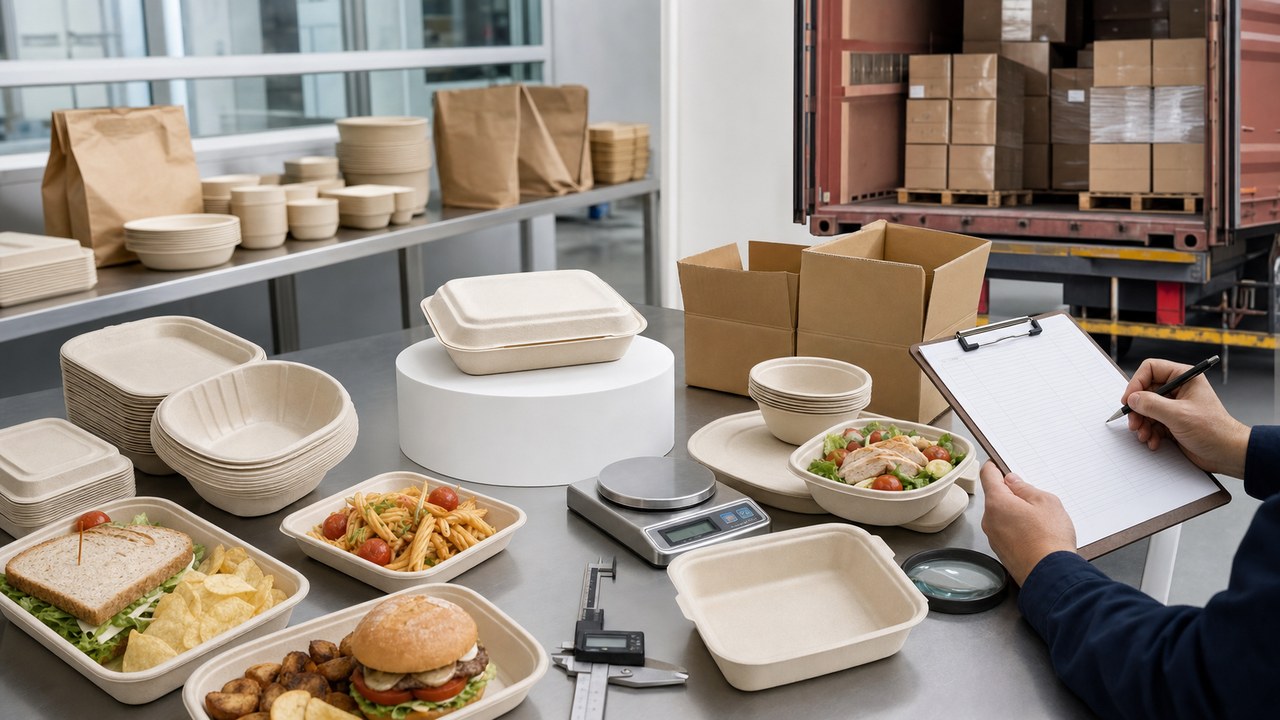
What information should a bagasse tableware RFQ include?
| RFQ field | What the buyer should state | Why the field changes the quote |
|---|---|---|
| 1. Product identity | Supplier SKU if known; otherwise product type, drawing, photo or reference sample | “9-inch plate” is not enough to identify shape, depth, rim, compartments or mold. |
| 2. Dimensions | Diameter or length × width × depth, capacity and tolerances | Geometry affects the mold, unit weight, stacking and lid fit. |
| 3. Unit weight | Target grams per piece and acceptable tolerance | Fiber input affects stiffness, cost and carton weight. |
| 4. Material and finish | Bagasse or other fiber, natural or white, coating, lamination, printing and additives | Different constructions require different evidence and production steps. |
| 5. Intended use | Food type, temperature, contact time, microwave, freezer, oven and delivery conditions | A dry snack and a hot oily meal do not create the same performance or food-contact requirement. |
| 6. Quantity | Initial order and annual forecast by SKU | MOQ and production planning are SKU-specific. |
| 7. Packing | Pieces per inner pack, inner packs per carton, retail or master carton, pallet or floor loading | Molded fiber is volume-sensitive; packing changes freight per sellable piece. |
| 8. Customization | Stock item, logo embossing, label, printed sleeve, printed carton or new mold | Each custom component can have its own setup, artwork approval and MOQ requirement. |
| 9. Compliance | Destination market, required claims, test reports, certificates and customer forms | Evidence must match the product, construction, site, intended use and claim. |
| 10. Quality acceptance | Approved sample, dimensions, weight tolerance, defects, inspection level and claim process | Written acceptance criteria prevent “good quality” from becoming a subjective argument. |
| 11. Trade term | Incoterm 2020 rule plus named port or place | “FOB” or “DDP” without a named location is incomplete. |
| 12. Timing | Sample deadline, artwork deadline, requested ship window and launch date | Tooling, testing, packaging and production cannot be scheduled from “urgent.” |
Copy and paste this bagasse tableware RFQ template
Use this text in an email or the Zhong Xin Ecoware Thailand contact form. Replace every bracketed field. If a field is unknown, write “supplier to propose” instead of leaving it blank.
BUYER AND PROJECT
Company:
Country and destination market:
Buyer type: importer / distributor / foodservice operator / private-label brand
Target launch date:

PRODUCT
Product type: plate / bowl / tray / clamshell / container / lid / other
Supplier SKU, buyer SKU or reference sample:
Required dimensions and capacity:
Compartments:
Target unit weight and tolerance:
Material, color and finish:
Matching lid or sealing requirement:

INTENDED USE AND PERFORMANCE
Food type:
Food temperature:
Required holding time:
Microwave, freezer or oven requirement:
Leak, grease, sag, odor, stacking or closure-fit requirement:

QUANTITY
Initial order quantity by SKU:
Annual forecast by SKU:
Mixed-SKU container required: yes / no

PACKING AND BRANDING
Pieces per inner pack:
Inner packs per carton:
Retail pack or master carton:
Carton marking, barcode and label requirements:
Logo embossing, sleeve, printing or new mold requirement:
Palletized or floor loaded:

COMPLIANCE AND DOCUMENTS
Destination country, state or province:
Food-contact evidence required:
Compostability claim and certification required:
PFAS or other chemical evidence required:
Customer-specific declaration or audit form:

QUALITY AND SAMPLES
Stock sample or custom sample:
Sample test plan:
Approved sample required before production: yes / no
Inspection standard or AQL:
Pre-shipment inspection required: yes / no

COMMERCIAL AND DELIVERY
Requested Incoterm 2020 rule and named place:
Destination port or delivery address:
Requested ship window:
Quotation currency:
Payment-term request:
How should a buyer ask about MOQ?
Ask for five separate MOQ thresholds: MOQ per SKU, MOQ per color or construction, MOQ per printed packaging design, MOQ for a new mold, and the quantity threshold allowed in a mixed-SKU container. A single number called “factory MOQ” can hide different constraints.
For example, an existing natural-color plate in a plain master carton may have a different order threshold from the same plate in a printed retail sleeve. A custom clamshell with a new mold is a third case. The correct answer should state which part of the order creates each threshold and whether setup or tooling is charged separately.
For a detailed cost breakdown, use the bagasse packaging cost, MOQ and FOB Thailand guide.
Can buyers combine several bagasse SKUs in one container?
A mixed-SKU container may be possible, but every SKU still needs a practical production and packing quantity. Ask the supplier to return a loading table with SKU, pieces per carton, carton dimensions, carton CBM, number of cartons and total pieces. The final plan should also identify whether the shipment is palletized or floor loaded.
Do not approve a mixed-container plan from product dimensions alone. The shipping carton, actual gross weight, container equipment and loading method control the final quantity.
Which carton and container fields should appear in the quote?
Every quoted SKU should show:
- pieces per inner pack;
- inner packs per carton;
- total pieces per carton;
- carton length, width and height;
- carton CBM;
- net and gross carton weight;
- estimated cartons and pieces per 20GP or 40HQ;
- pallet or floor-loading assumption;
- mixed-SKU loading limits; and
- whether the estimate will be reconfirmed before shipment.
Carton data affects landed cost because molded-fiber tableware is bulky. Compare freight per sellable piece, not only the factory unit price.
Which compliance documents should a buyer request?
Request evidence for the ordered SKU and intended market, not a generic certificate folder. The compliance section should name the destination, food type, temperature, contact time, construction, environmental claim and buyer-required test method.
For U.S. food-contact review, 21 CFR 176.170 addresses components of paper and paperboard in contact with aqueous and fatty foods. The buyer should ask the supplier to identify the regulatory basis and intended-use conditions for the complete construction, including relevant coatings, additives, inks and adhesives.
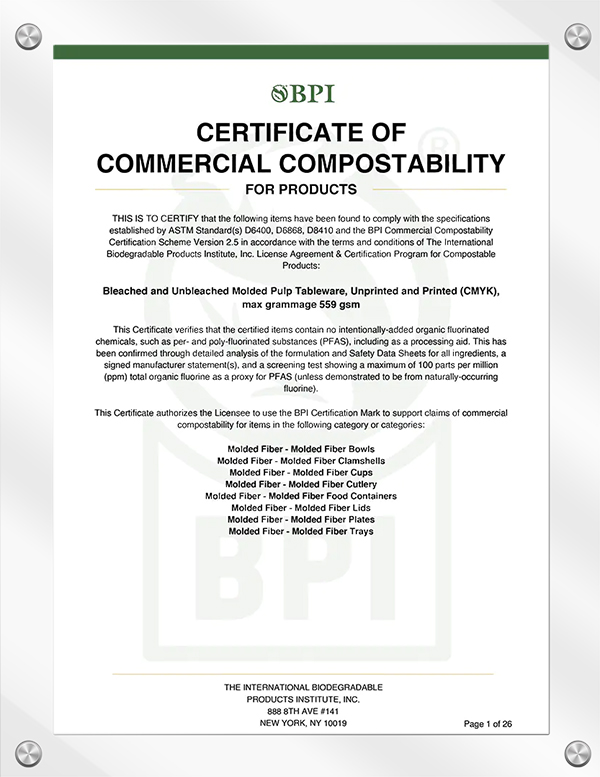
For compostability, BPI maintains an item-level product catalog. The official BPI listing for Zhong Xin Ecoware Technology (Thailand) Co., Ltd. lists the brand, SKU, product name, category, color and construction attributes for covered items. For example, the listing includes WB-YP070 and WB-YP090 as black, unprinted 7-inch and 9-inch molded-fiber plates. Those records show why the SKU and construction belong in the RFQ; they do not mean that every product made by the company has the same certification scope.
BPI certification addresses compostability. It does not replace food-contact evidence. Use the bagasse packaging certifications by market guide to build a market-specific document list, then verify each record through the issuing body.
How should buyers write FOB, CIF or DDP in an RFQ?
Write the selected Incoterms 2020 rule and the named port or place on the same line. The International Chamber of Commerce states that the 11 Incoterms rules allocate defined delivery responsibilities, costs and risks between buyer and seller.
Examples of complete requests are:
FOB Laem Chabang, Thailand, Incoterms 2020CIF Long Beach, California, USA, Incoterms 2020DDP [full named delivery place], Incoterms 2020
Do not compare an FOB price with a DDP price as if the difference were manufacturing cost. Ask the supplier to identify freight, insurance, duty, tax, customs clearance, destination handling and final delivery assumptions.
How should a buyer approve samples and product performance?
Approve the exact SKU and test it with the intended food. State the food temperature, holding time and delivery condition before the sample is sent. A dry-food plate test cannot prove that a clamshell will hold a hot oily meal for 45 minutes.
Record the sample code, sample date, dimensions, unit weight, color, surface, odor, stacking, lid fit, closure, leakage, grease penetration and deformation. Keep an approved reference sample for production comparison. If third-party inspection is required, define the inspection level and defect categories before production.
The full sequence from specification to shipment is explained in How to Order from an Asian Bagasse Factory.
What does a complete Thailand factory quote look like?
A comparable quote returns the buyer's RFQ fields line by line. It identifies the quoted SKU and revision, product dimensions and tolerance, unit weight, packing, carton data, MOQ basis, customization charges, document scope, sample status, production-timeline starting point, Incoterm and named place, price validity and exclusions.
Use this comparison table after suppliers reply:
| Comparison item | Supplier A | Supplier B | Unresolved question |
|---|---|---|---|
| Exact SKU and drawing revision | |||
| Dimensions and unit-weight tolerance | |||
| Initial-order MOQ by SKU | |||
| Printed-packaging or mold MOQ | |||
| Pieces per carton and carton CBM | |||
| Estimated container quantity | |||
| Compliance evidence and item scope | |||
| Sample and inspection basis | |||
| Production-timeline starting point | |||
| Incoterm and named place | |||
| Price validity and exclusions |
Worked RFQ example for a 9-inch bagasse plate
The following is an illustrative request, not a published price or MOQ:
Quote an existing 9-inch round bagasse plate SKU in natural color for hot main meals. Target use includes oily food at 90°C with a 45-minute holding period. Initial-order quantity is 100,000 pieces, with an annual forecast of 400,000 pieces. Quote plain master-carton packing and state pieces per carton, carton dimensions, CBM, net weight, gross weight and estimated 20GP loading. Provide the U.S. food-contact basis for the complete construction, identify any BPI-listed SKU that matches the quoted item, and provide PFAS evidence required by our customer policy. Quote FOB Laem Chabang, Thailand, Incoterms 2020. State stock-sample timing, production timing after sample approval, quotation validity and exclusions.
This example gives the factory enough information to select a product, identify evidence and return a comparable commercial offer. The 100,000-piece quantity is an example for the template, not a blanket MOQ for every Zhong Xin product.
Frequently asked questions about bagasse tableware RFQs
Can a buyer request a bagasse tableware price list without a specification?
A price list can support early screening, but it cannot produce a reliable landed-cost comparison. A usable quote still needs an exact SKU or drawing, quantity, packing, compliance scope and Incoterm with a named place.
What is the MOQ for bagasse tableware from Thailand?
Bagasse tableware MOQ depends on the exact SKU, construction, packing, artwork and mold requirement. Ask for MOQ per SKU and separate MOQ thresholds for printed packaging, custom color, embossing and new tooling.
Can one RFQ include plates, bowls and clamshells?
Yes. List every product as a separate RFQ line with its own specification and quantity, then ask whether the factory can build a mixed-SKU container plan.
Does BPI certification prove that a bagasse product is food-contact compliant?
No. BPI certification addresses compostability for listed items. Food-contact suitability requires a separate regulatory and testing review for the complete construction and intended use.
Should an initial RFQ ask for FOB or DDP?
The correct term depends on the buyer's import capability. An experienced importer may request FOB at a named Thailand port, while a buyer requesting DDP should ask who handles import clearance, duty, tax and final delivery and should record all exclusions.
What should a buyer test in a bagasse sample?
Test the exact SKU with the intended food, temperature, holding time and lid or sealing method. Record dimensions, weight, odor, leakage, grease resistance, sagging, stacking, closure and post-use deformation.
How quickly can Zhong Xin Ecoware Thailand return a quote?
The Zhong Xin Ecoware Thailand contact page states that the team replies with a proposal and quotation within 24 hours and supports sample proofing. Actual timing depends on whether the RFQ is complete and whether custom design, testing or freight confirmation is required.
Send a complete RFQ to the Thailand factory
Browse the Zhong Xin Ecoware Thailand bagasse food-packaging catalog to identify product types, then send the completed template through the contact page. Include the destination market, quantity by SKU, packing, required evidence, Incoterm and ship window so the export team can return a specific quotation instead of a generic price range.
Article owner: Zhong Xin Ecoware Technology (Thailand) Co., Ltd.
Sources and verification links
- BPI product listing for Zhong Xin Ecoware Technology (Thailand) Co., Ltd.
- BPI: Find Certified Products
- eCFR: 21 CFR 176.170
- International Chamber of Commerce: Incoterms rules
- Zhong Xin Ecoware Thailand: Cost, MOQ and FOB Thailand guide
- Zhong Xin Ecoware Thailand: Certifications by market
- Zhong Xin Ecoware Thailand: Ordering guide
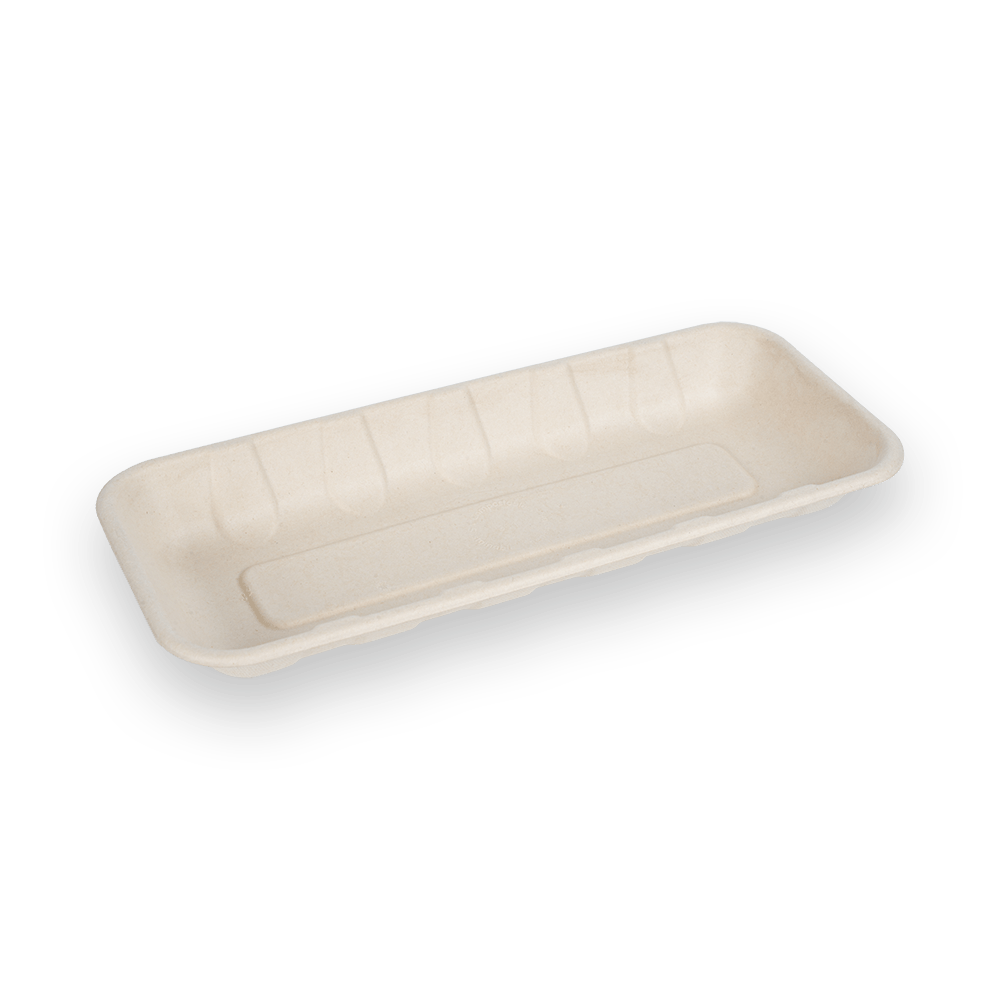


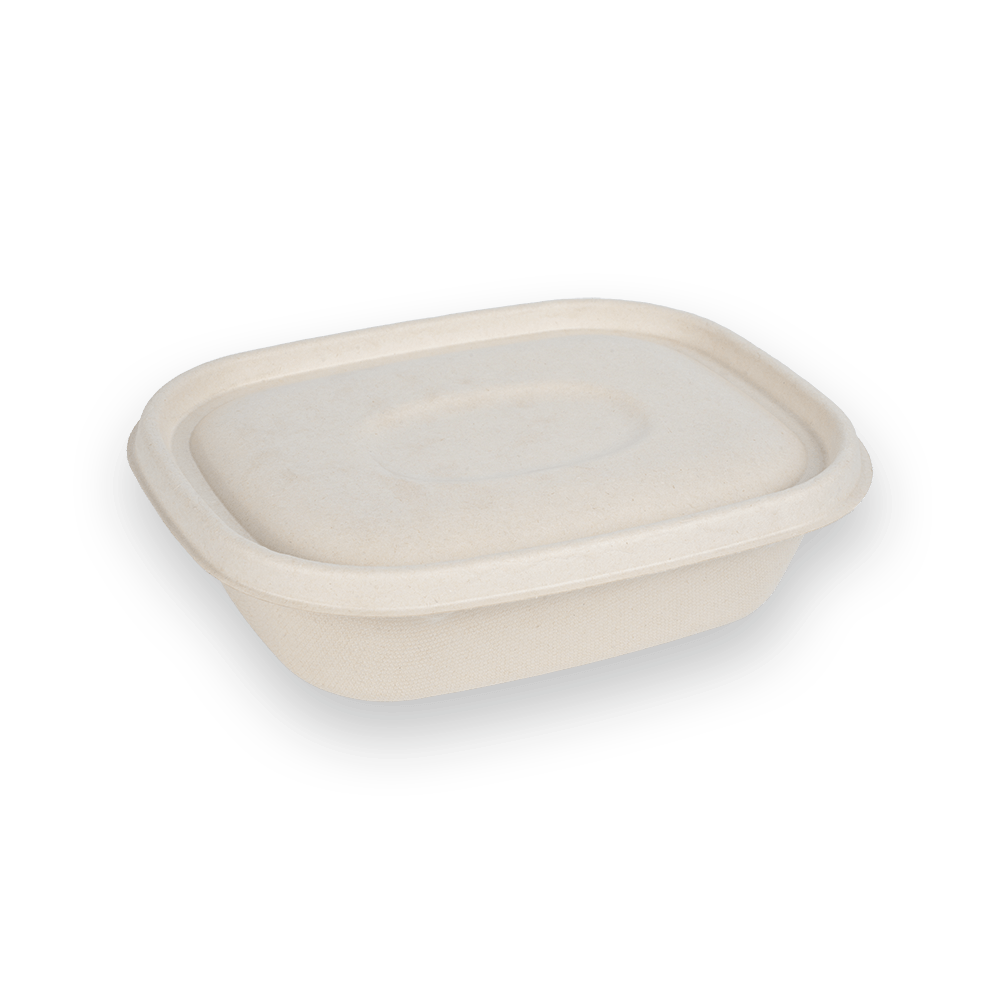
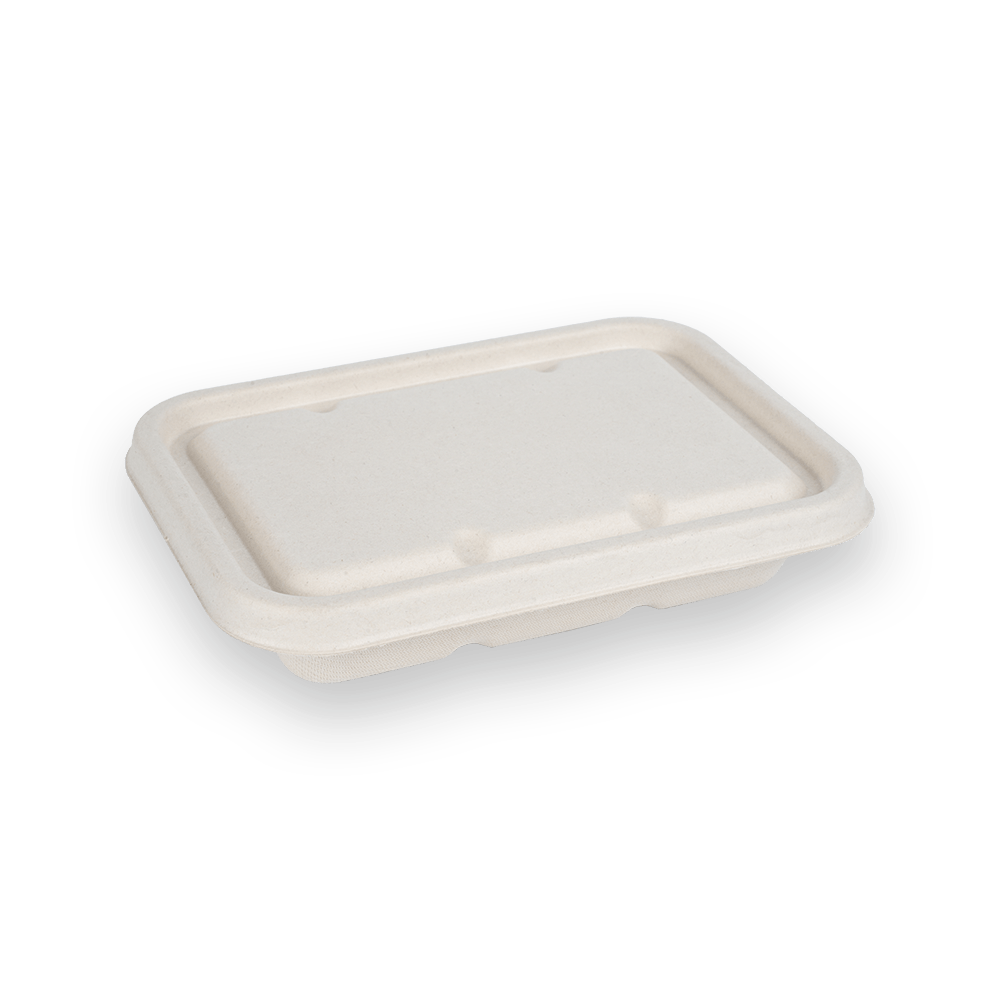

Zhong Xin Ecoware(Thailand) was registered on November 1, 2023, and officially began construction of the factory building in June 2024. At present, the first phase workshop of the factory has been fully completed and put into use. The second phase of the factory is being constructed intensively.
The landing and development of Zhong Xin in Thailand has brought a large amount of initial investment for land, factories, etc., and continuous operational investment for continuous equipment updates, technological upgrades, and capacity expansion.
Zhong Xin Ecoware(Thailand) has directly and indirectly created thousands of job opportunities, increased government revenue, promoted local economic development, cultivated local supply chains, provided systematic training for employees, improved the quality of local human capital, injected vitality into the local economy, enhanced industrial competitiveness, and ultimately improved residents' living standards.
Zhong Xin Ecoware(Thailand) actively collaborates with local pulp mills to explore new cooperation models for developing new products, improving production capacity and quality. At the same time, relying on Zhongxin's advanced production technology, process flow, management experience, and quality control system, it promotes the development of this industry in Thailand.

-
-
 +66-31240888
 -
 161 Village No. 4, Bo Thong Subdistrict Kabin Buri District Prachinburi Province 25110
-
Bagasse Tableware RFQ Template: Get a Comparable Thailand Factory Quote
Sep 14,2026
-
Bagasse vs PLA vs Molded Fiber: What Distributors Should Stock in 2026
Sep 11,2026
-
PFAS-Free & Compostability Verification: A Buyer's Checklist for Bagasse and Molded Fiber Packaging
Sep 11,2026
-
Are Takeaway Food Containers Ready for Saucy Meals
Sep 11,2026
-
7-Inch vs 9-Inch Bagasse Plates: Carton and 20GP Guide
Sep 07,2026
-
Will Bagasse Pulp Trays Sag Under Heavy Meals
Sep 04,2026
-
Zhongxin Packaging at the 140th Canton Fair 2026: Booths and Buyer Meeting Guide
Sep 02,2026
-
Bagasse Packaging Certifications by Market: A 2026 Compliance Guide for Importers
Sep 02,2026
-
How Much Does Bagasse Packaging Cost in 2026? MOQ and FOB Thailand Guide
Sep 01,2026
-
Plastic vs Pulp Takeout Containers: A Buyer’s Decision Guide
Aug 28,2026
-
UK Bagasse Tableware Sourcing Guide: Single-Use Plastic Bans, Certifications and Thailand Factory Options
Aug 26,2026
-
Is Bagasse Compostable? A Complete Guide to Sugarcane Tableware Composting
Aug 21,2026
Copyright © 2025 Zhong Xin Ecoware Technology ( Thailand ) CO., LTD.
All Rights Reserved.

Biodegradable Disposable Bagasse Tableware Manufacturer