


 English
 Español
 ไทย
ไทย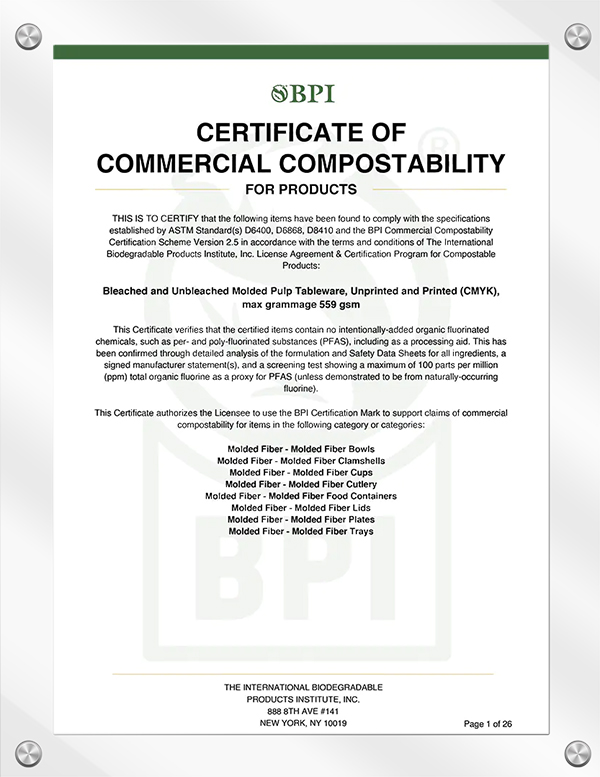
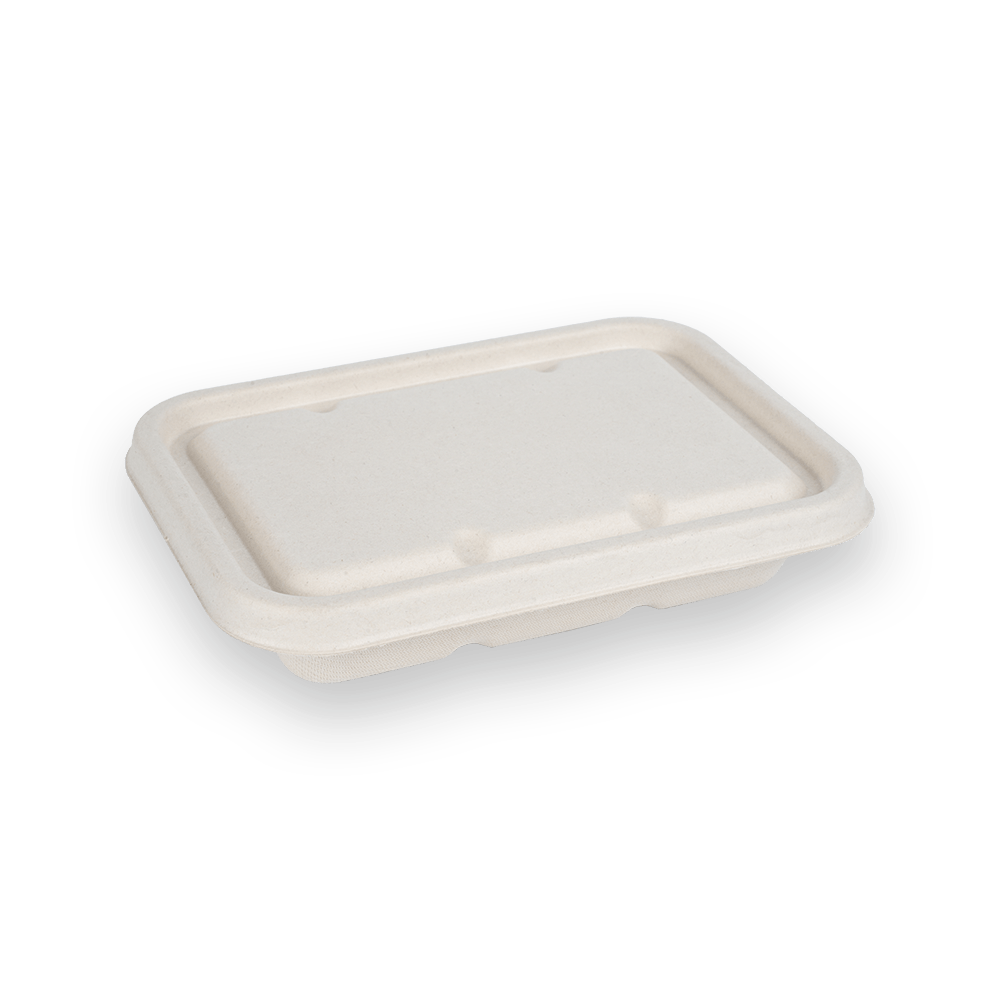
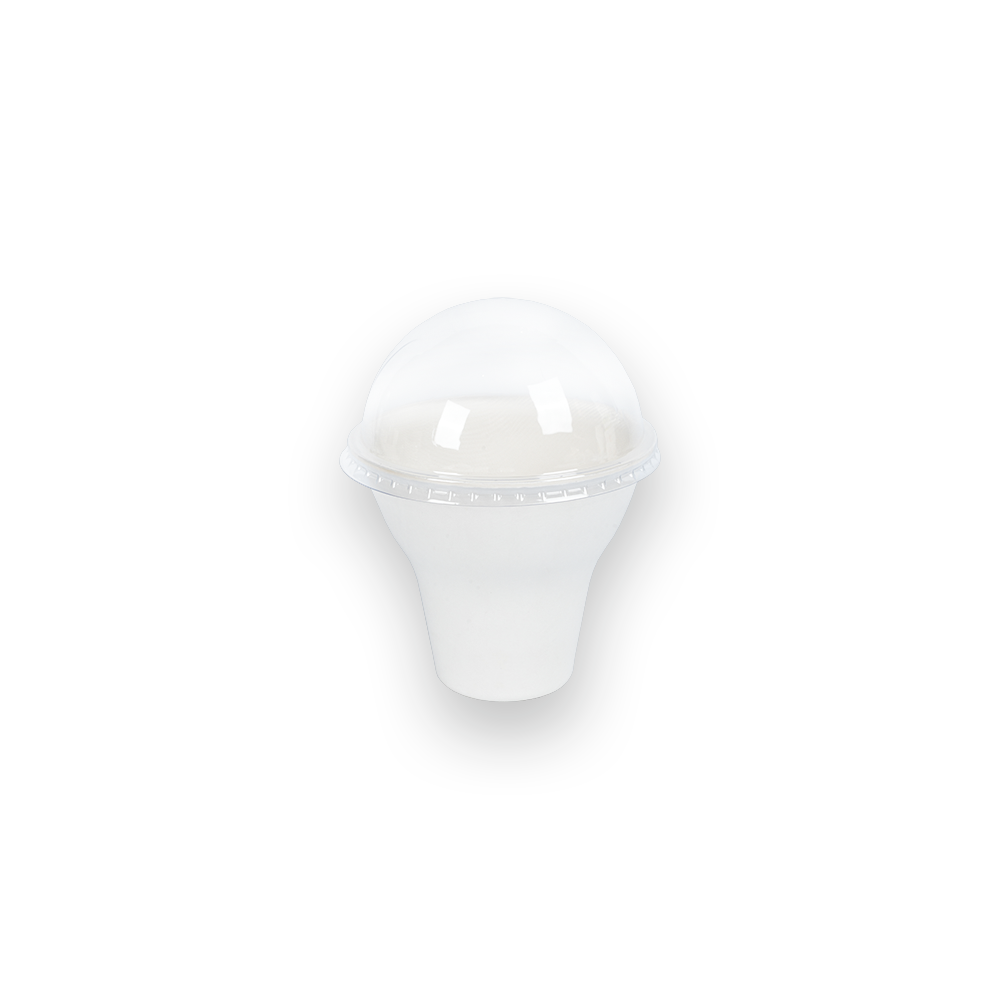
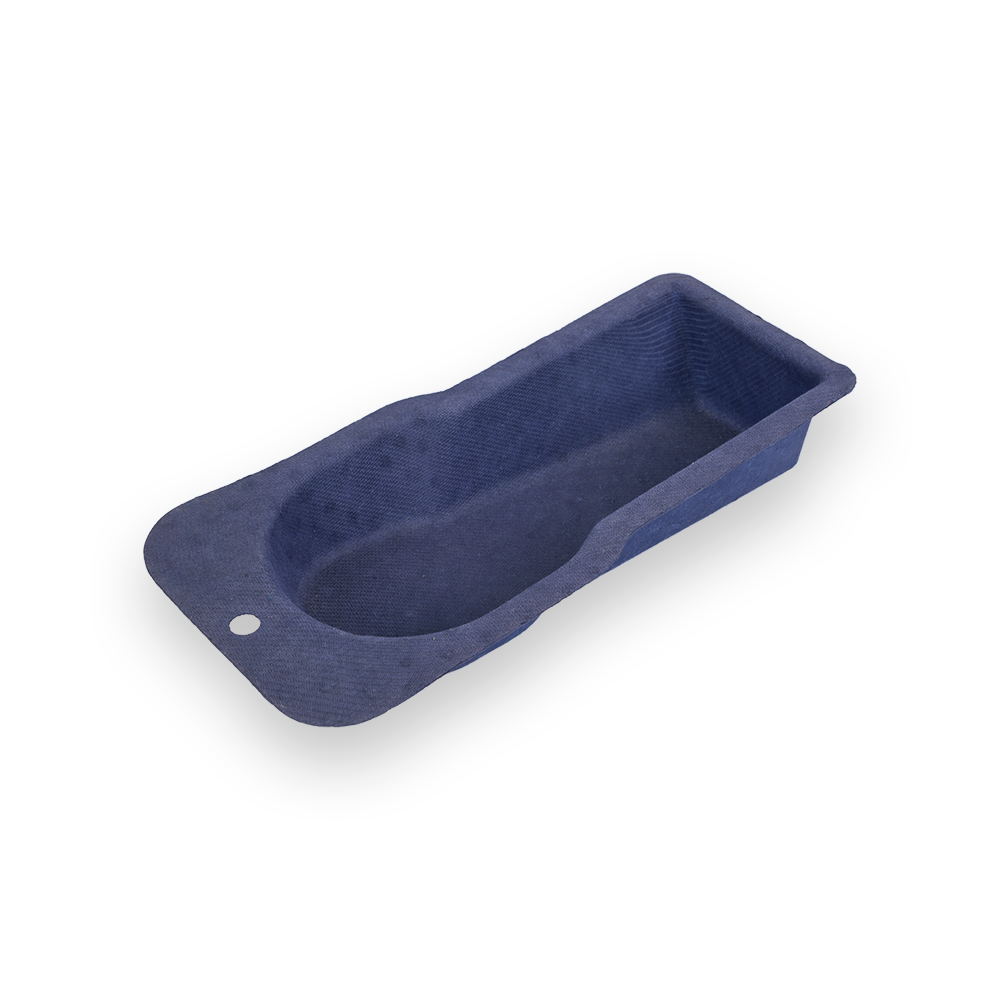
Retail packaging must do more than hold a product. It needs to fit shelf dimensions, present brand information clearly, ...
READ MOREWelcome to Zhong Xin Ecoware Technology ( Thailand ) CO., LTD. Official Website
-
 [email protected]
-
 +66-31240888
Biodegradable Tray Factory
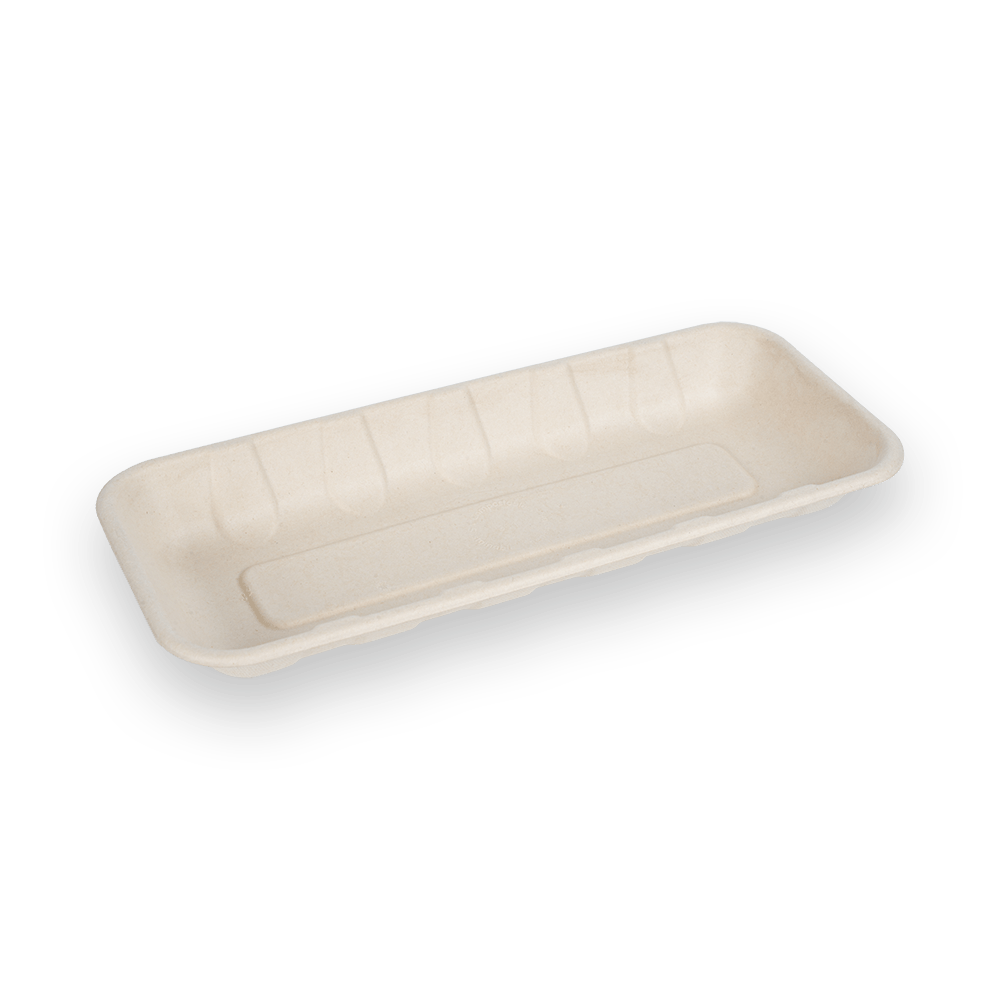
Biodegradable trays made from materials like sugarcane pulp, they’re strong, lightweight, and compostable. Trays can be customized in terms of layout, depth, or even branded print for enhanced product visibility and customer recognition. With their natural texture and color, biodegradable trays complement the presentation of organic or freshly made food items.
-
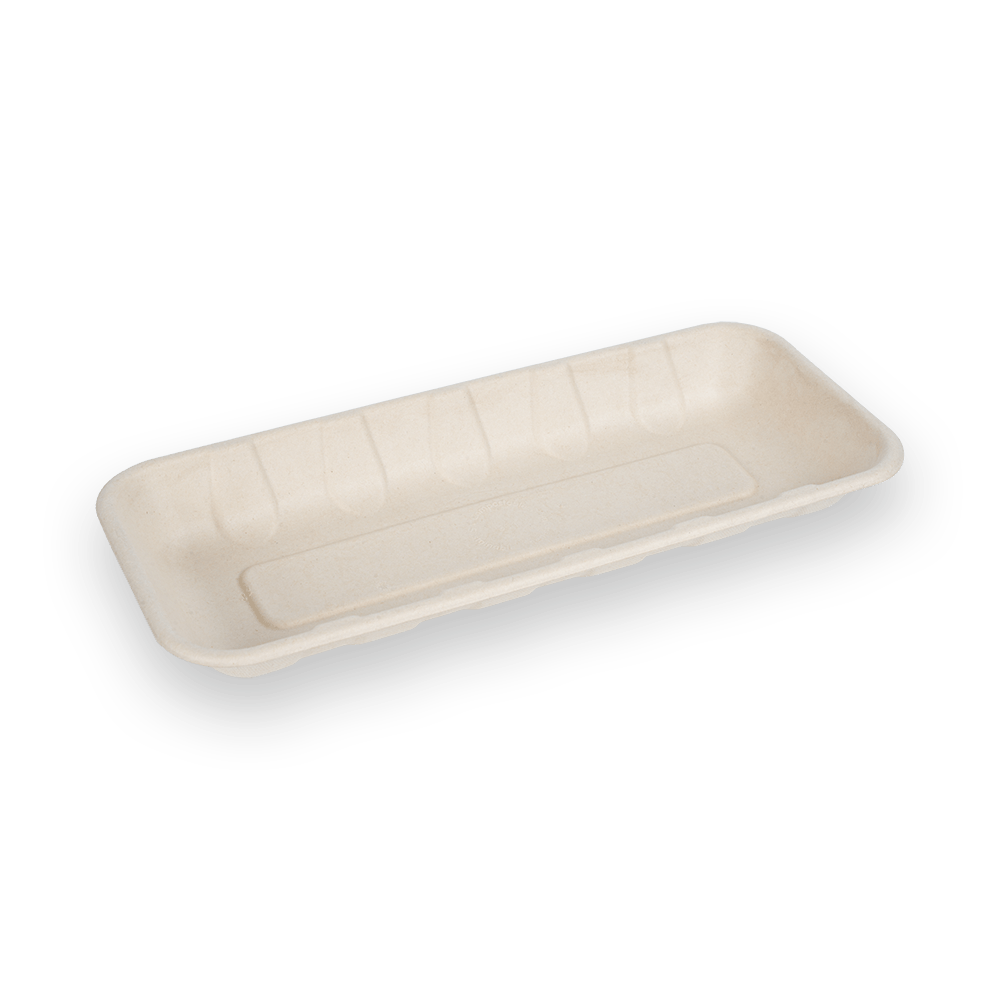 104 Biodegradable tray
Size(mm)
260*115*30
Weight(g)
18
Pcs/Bag
125
Bags/CTN
4
Pcs/CTN
500
L/CTN
44.5
W/CTN
23.5
H/CTN
27
Volume/CT
0.02823525
CONTACT US -
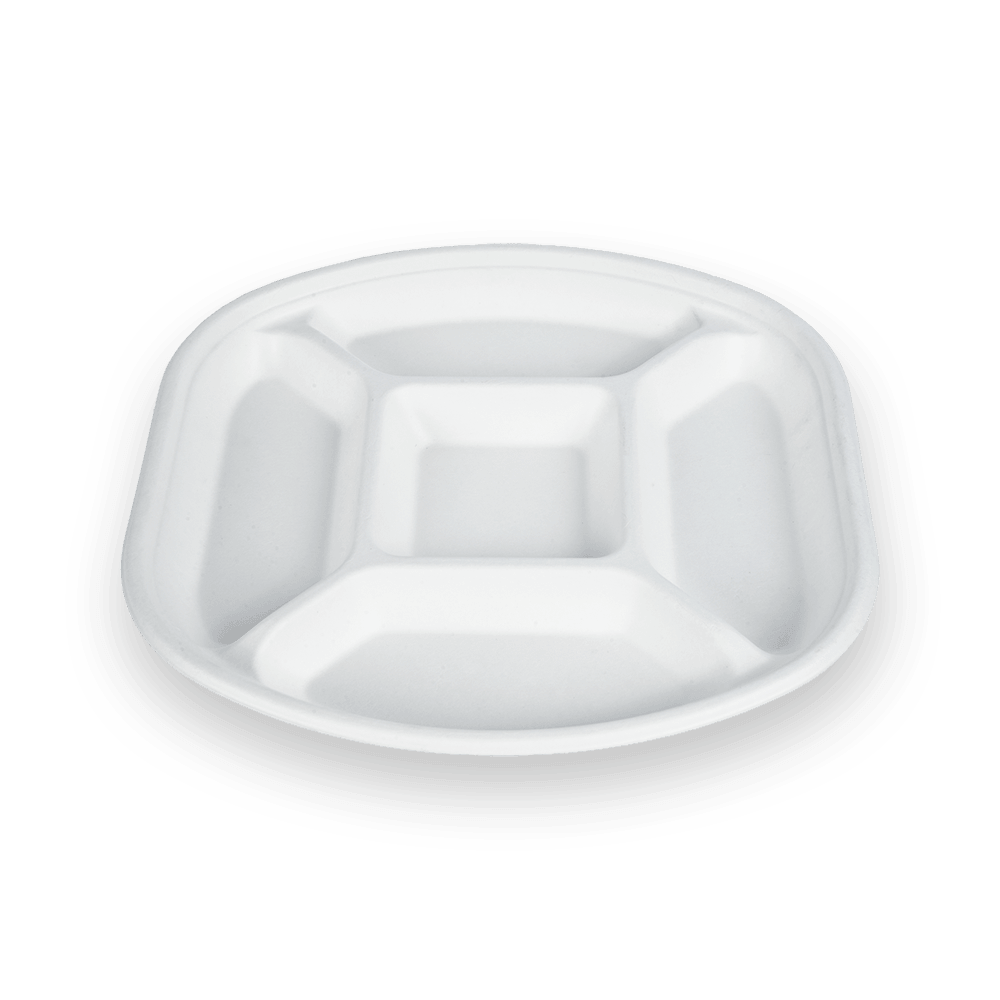
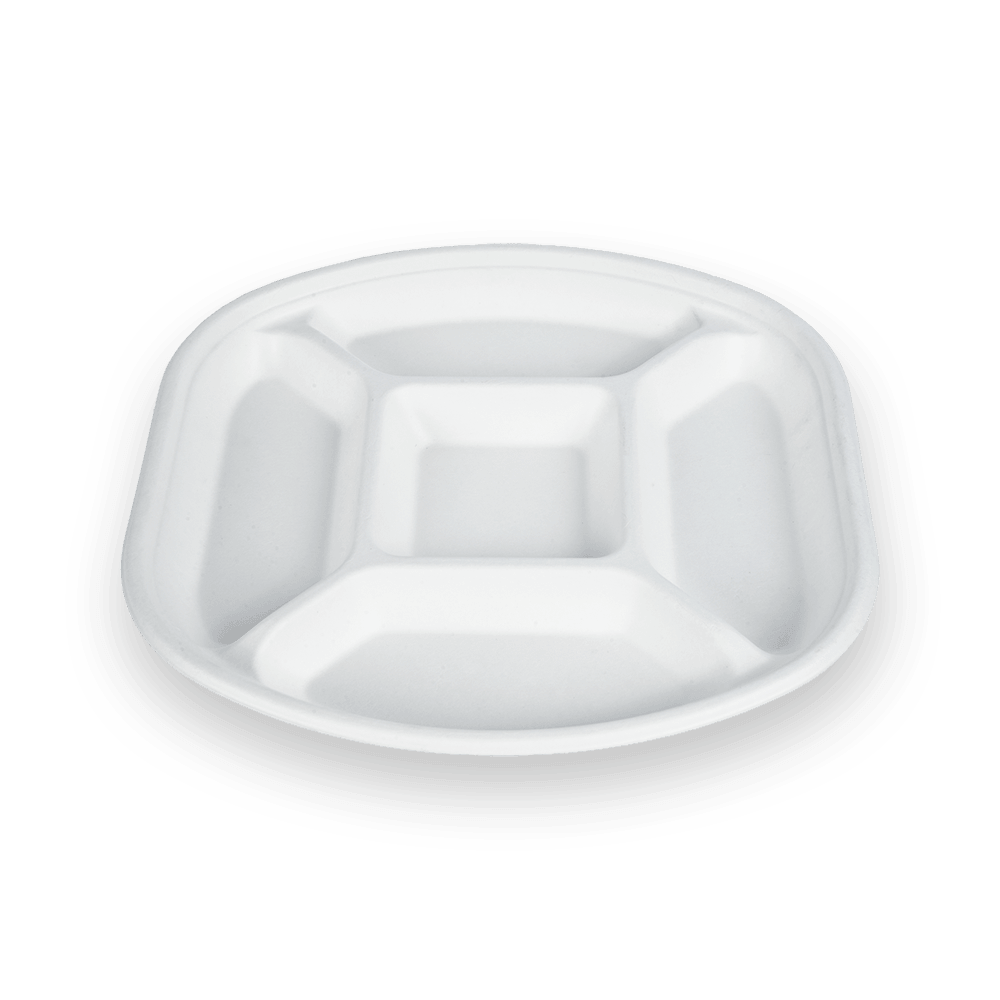 5-grid round biodegradable partition trayCONTACT US
 -
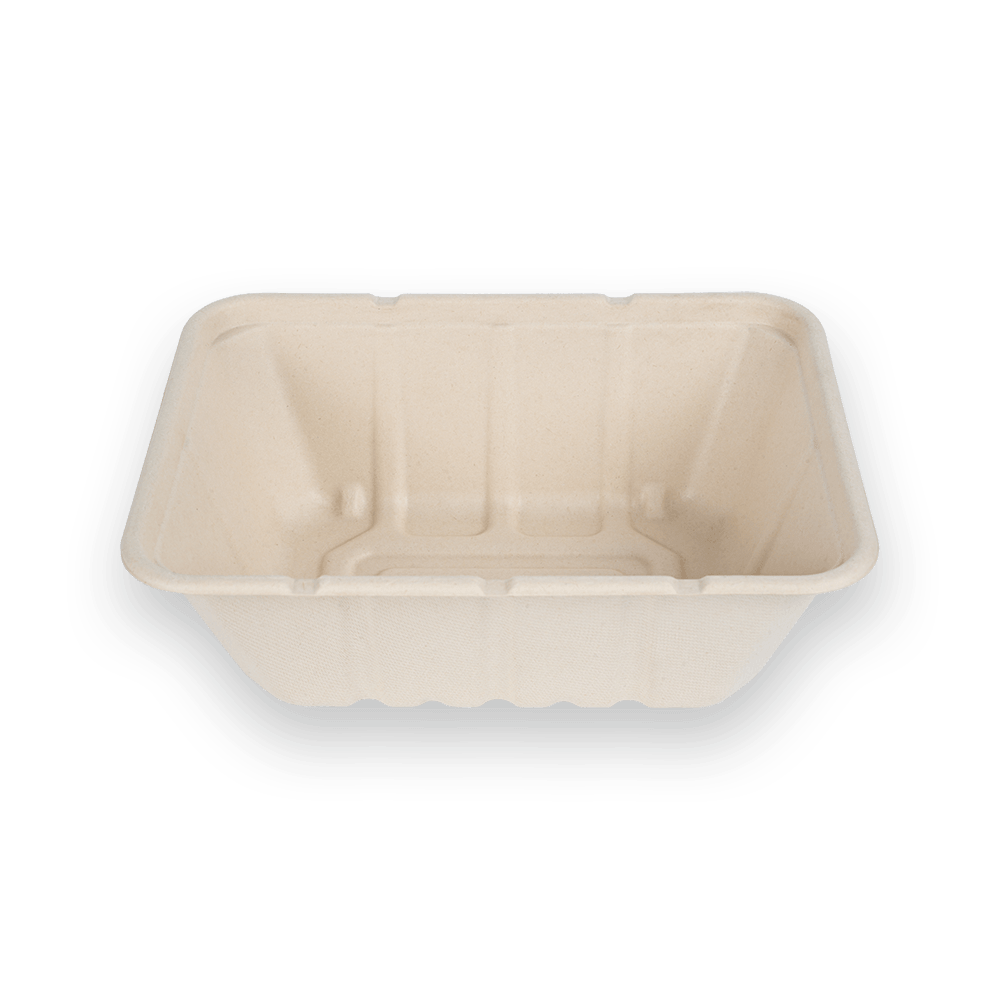 1500ml food tray
Size(mm)
223*172*76
Weight(g)
38
Pcs/Bag
100
Bags/CTN
2
Pcs/CTN
200
L/CTN
40
W/CTN
23.5
H/CTN
36
Volume/CT
0.03384
CONTACT US -
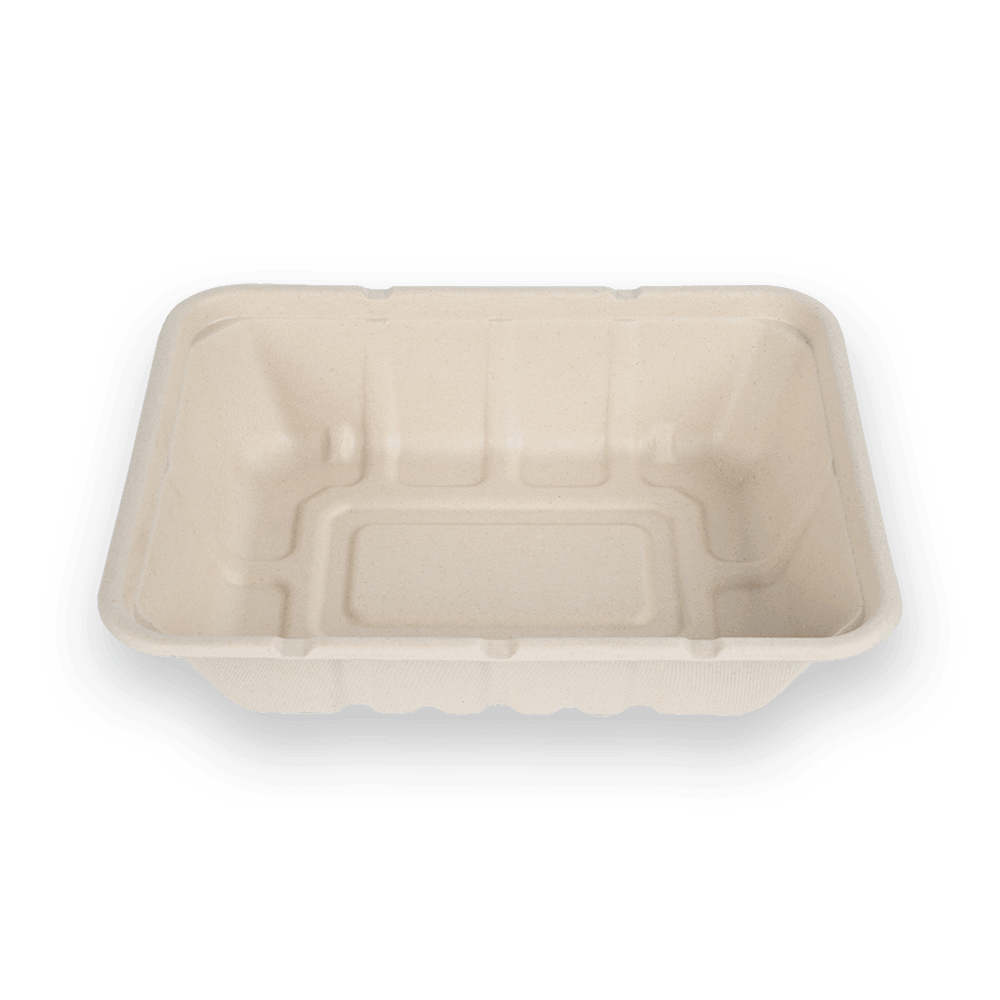 1200ml food tray
Size(mm)
223*172*54.8
Weight(g)
28
Pcs/Bag
100
Bags/CTN
2
Pcs/CTN
200
L/CTN
36
W/CTN
23.5
H/CTN
36
Volume/CT
0.030456
CONTACT US -
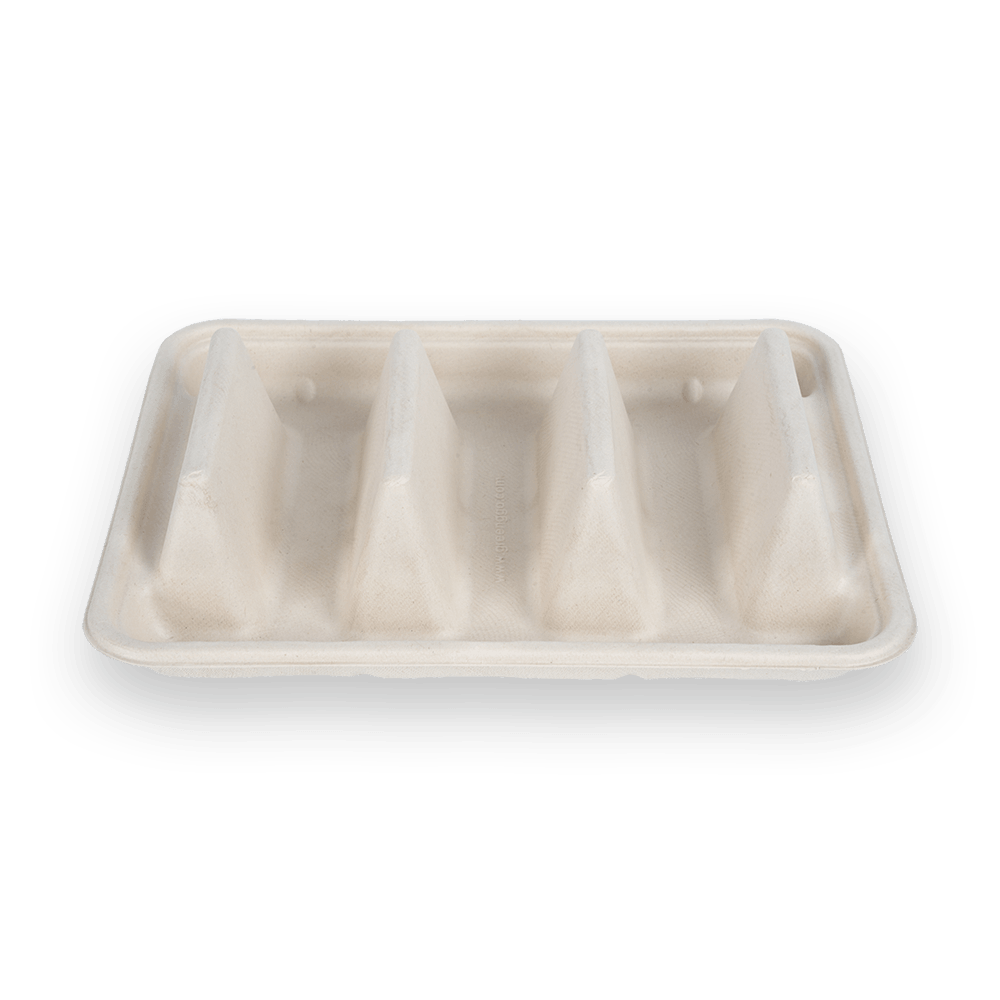 Taco tray
Weight(g)
30
Pcs/Bag
50
Bags/CTN
8
Pcs/CTN
400
L/CTN
50*38*32
W/CTN
38
H/CTN
32
CONTACT US -
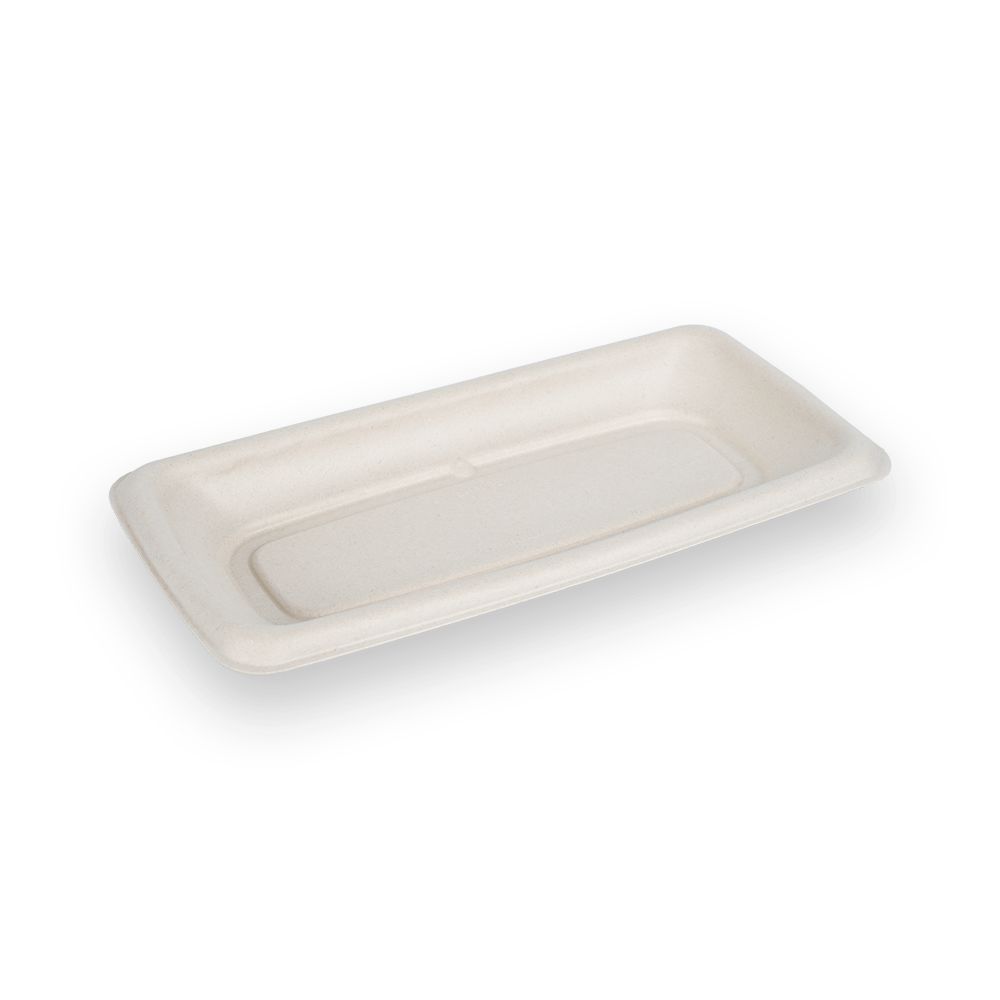 10x5 Biodegradable Tray
Size(mm)
241.1*115.3*24.4
Weight(g)
15.5
Pcs/Bag
100
Bags/CTN
3
Pcs/CTN
300
L/CTN
35
W/CTN
21.5
H/CTN
25
Volume/CT
0.0188125
CONTACT US -
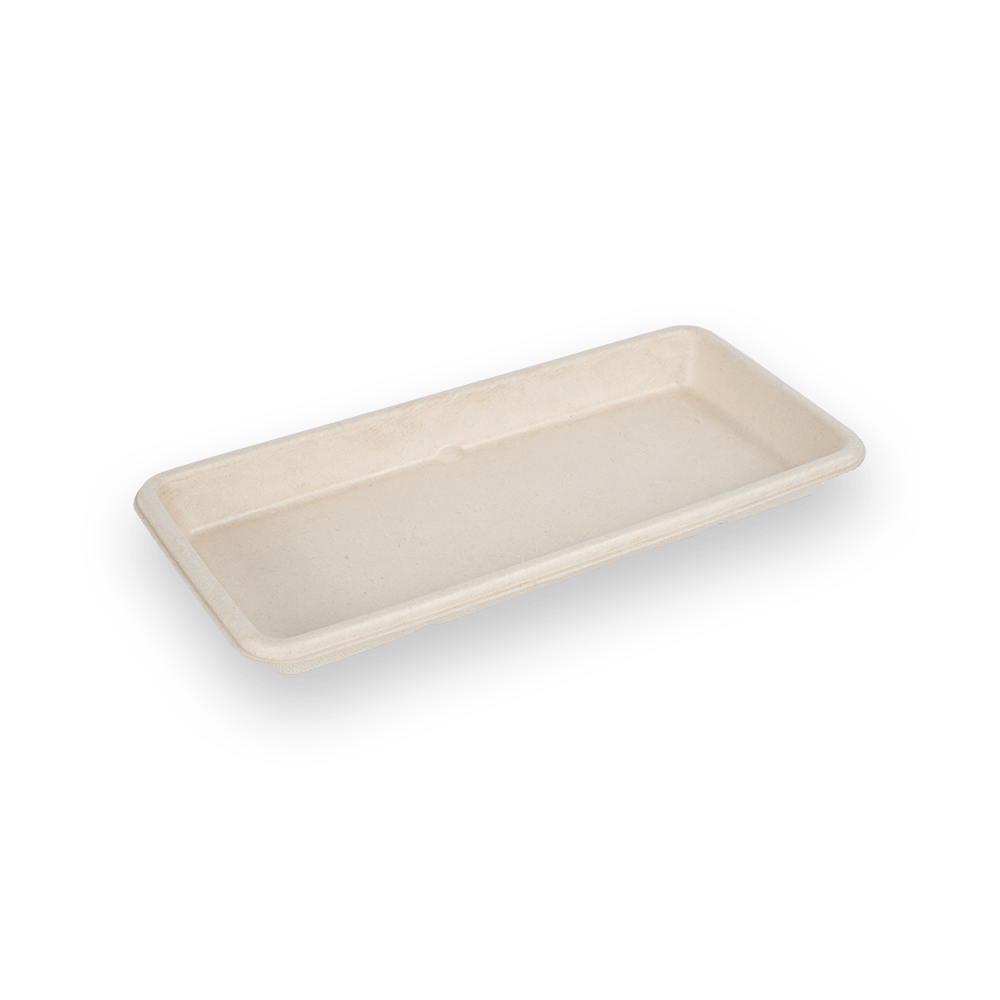 Hot Dog pulp Tray
Size(mm)
211*98*20
Weight(g)
14
Pcs/Bag
50
Bags/CTN
6
Pcs/CTN
300
L/CTN
40
W/CTN
21.5
H/CTN
22
Volume/CT
0.01892
CONTACT US -
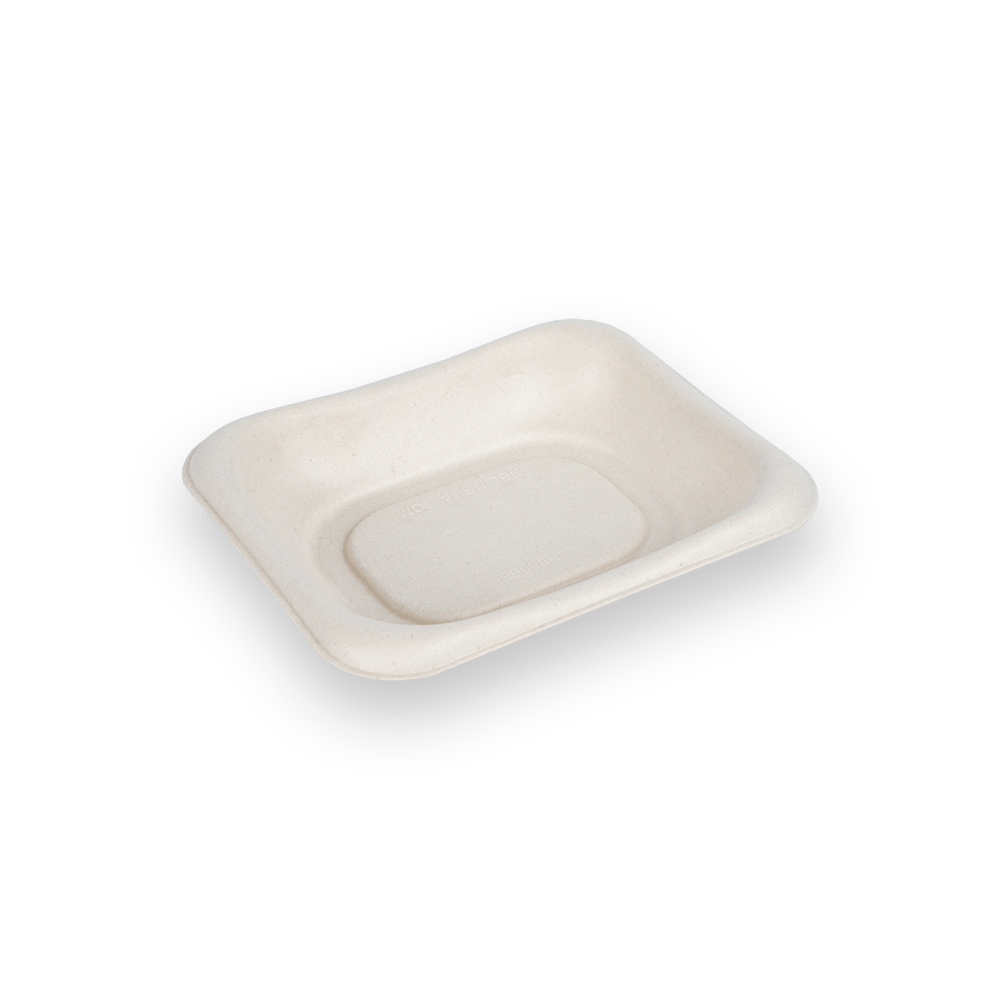 5.5x4.5 Biodegradable Tray
Size(mm)
139*7*114.3*26.5
Weight(g)
10
Pcs/Bag
50
Bags/CTN
6
Pcs/CTN
300
L/CTN
37
W/CTN
24
H/CTN
15
Volume/CT
0.01332
CONTACT US -
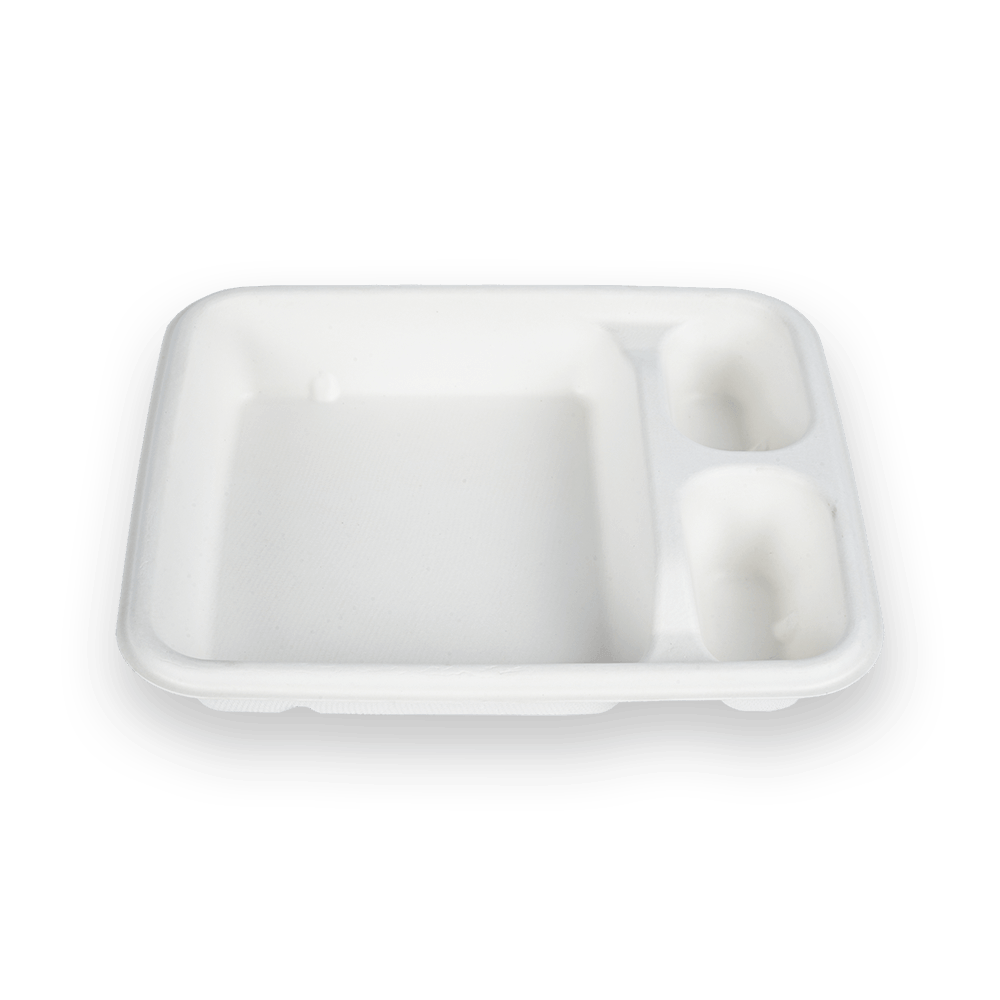 3-Com Nacho Fiber Tray
Size(mm)
228.4*190*38.4
Weight(g)
28
Pcs/Bag
125
Bags/CTN
4
Pcs/CTN
500
L/CTN
49
W/CTN
46.5
H/CTN
39
Volume/CT
0.0888615
CONTACT US
Our Story
Zhong Xin Ecoware Technology ( Thailand ) CO., LTD.
Zhong Xin Ecoware(Thailand) is a Thailand Wholesale Biodegradable Tray Manufacturer and OEM Biodegradable Tray Factory. Both the first and second phases of the Thailand plant have now been completed and put into production, bringing the site to an annual capacity of 100,000 tonnes. The plant is already supplying orders for customers in the United States.
The landing and development of Zhong Xin in Thailand has brought a large amount of initial investment for land, factories, etc., and continuous operational investment for continuous equipment updates, technological upgrades, and capacity expansion.
Zhong Xin Ecoware(Thailand) has directly and indirectly created thousands of job opportunities, increased government revenue, promoted local economic development, cultivated local supply chains, provided systematic training for employees, improved the quality of local human capital, injected vitality into the local economy, enhanced industrial competitiveness, and ultimately improved residents' living standards.
Zhong Xin Ecoware(Thailand) actively collaborates with local pulp mills to explore new cooperation models for developing new products, improving production capacity and quality. At the same time, relying on Zhongxin's advanced production technology, process flow, management experience, and quality control system, it promotes the development of this industry in Thailand.
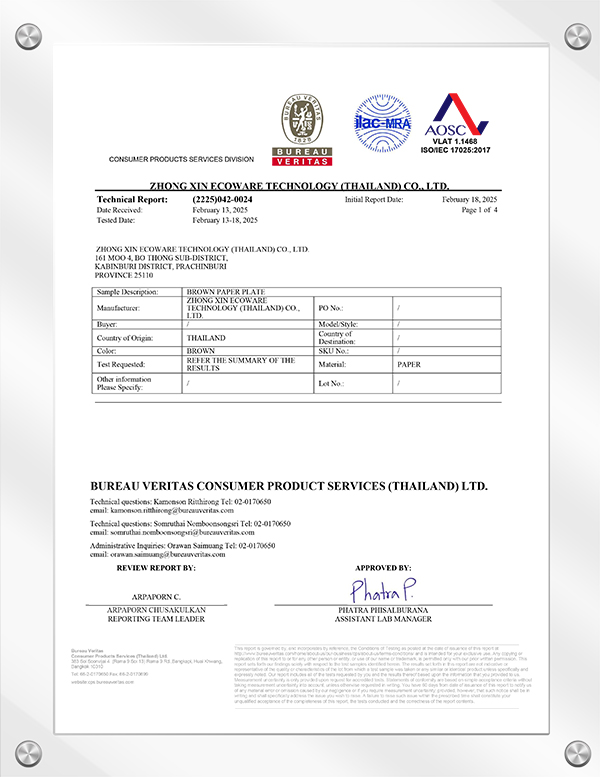
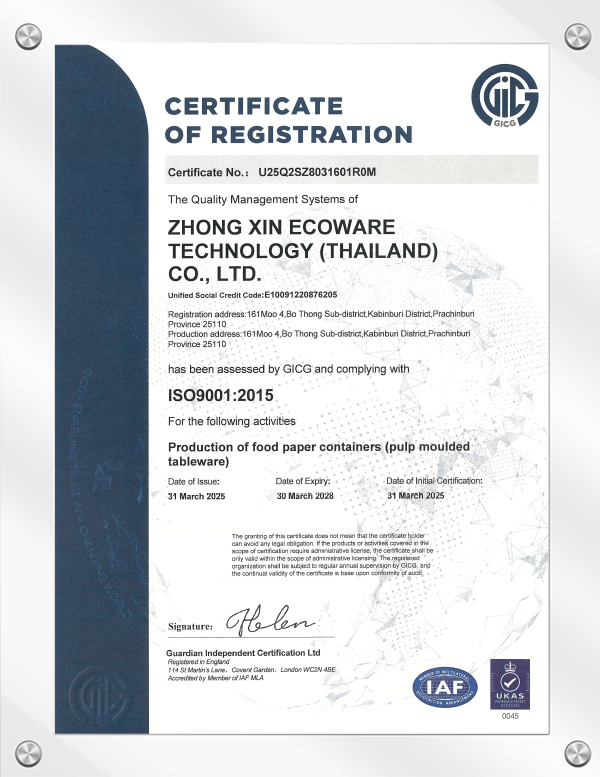
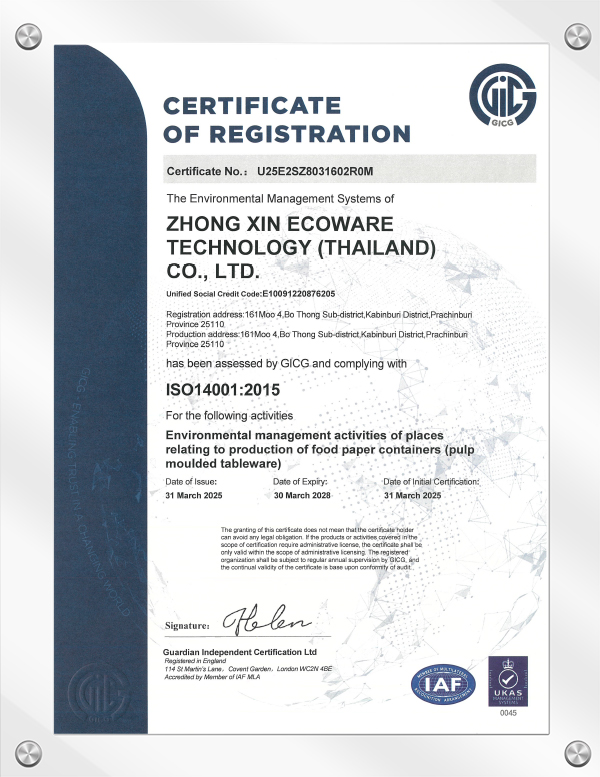
Certificate Of Honor
News & Events
-
-
Published: October 20, 2026 | By Zhong Xin Ecoware Technology (Thailand) Co., Ltd. Bagasse Cups, Cup Lids and Cup Holde...
READ MORE -
Published: October 16, 2026 How to Find Zhong Xin at the 140th Canton Fair: A Visitor Navigation Guide The 140th Canton...
READ MORE -
Published: October 15, 2026 | By Zhong Xin Ecoware Technology (Thailand) Co., Ltd. Quick Summary: Thailand vs China Bag...
READ MORE


Industry Knowledge Extension
What Are the Differences Between Compostable Fiber Trays and Paper Food Trays?
As sustainability becomes a major priority in food service and packaging industries, compostable fiber trays and paper food trays are two options commonly used to replace traditional plastic products. At glance, they may seem quite similar—both are derived from natural fibers and are intended to reduce environmental impact. However, these two packaging materials differ in multiple aspects, including raw materials, performance, cost, and disposal methods.
1. Raw Materials and Production Processes
Compostable Fiber Trays
Compostable fiber trays are typically made from agricultural by-products such as bagasse (the residue from sugarcane processing), bamboo fibers, or wheat straw. These materials are considered renewable, as they come from waste streams that would otherwise require disposal. The production process involves pulping, molding, and heat treatment to form a sturdy structure.
Paper Food Trays
Paper trays are generally made from wood pulp, which can come from virgin resources or recycled content. While recycled paper reduces environmental impact, the pulping and bleaching processes used in some manufacturing methods may involve chemical additives. Unlike fiber trays, paper products often rely on chemical coatings or laminates to achieve moisture resistance.
2. Performance and Functional Properties
Heat and Moisture Resistance
Compostable fiber trays usually have stronger resistance to heat and liquids. They can hold hot, oily, or moist foods without deforming quickly.
Paper trays, depending on coating, may absorb moisture or weaken when exposed to hot foods or sauces.
Strength and Durability
Fiber trays tend to be thicker and more durable due to the density of molded fibers, making them suitable for heavier meals.
Paper food trays are often lighter and may be more prone to bending under heavier loads.
Food Safety
Both options are generally safe for contact with food. However, trays containing synthetic coatings (often in paper trays) may pose potential concerns if coatings are not specified as non-toxic and chemical-free. Compostable fiber trays are typically uncoated and rely on natural fiber properties for performance.
3. Compostability and Waste Management
Compostable Fiber Trays
These trays are designed to break down under composting conditions within a certain period. In industrial composting facilities, the process is usually faster due to controlled temperature and moisture. When properly composted, they convert into organic matter without harmful residues.
Paper Food Trays
Paper trays can be biodegradable, but their compostability depends on coatings.
Uncoated trays: Break down more easily but may not handle wet foods well.
Coated trays: The presence of wax or plastic films may slow or prevent decomposition and complicate recycling or composting.
Landfill Breakdown
Neither compostable fiber trays nor coated paper trays degrade efficiently in landfills due to limited oxygen and moisture. This means disposal infrastructure plays a significant role in whether the environmental benefits are fully realized.
4. Cost and Market Availability
Cost Considerations
Compostable fiber trays tend to be more expensive due to raw material processing and molding technology requirements.
Paper food trays are often more affordable because traditional papermaking is well established and available at scale.
Supply Availability
Paper trays have been used for decades and are widely accessible across the food industry.
Fiber trays are increasingly available but still growing in distribution, depending on local supply chains.
User Needs
Businesses serving hot meals, large quantities, or foods with high moisture content may prefer fiber trays despite higher costs. Meanwhile, paper trays remain a practical option for lighter food service applications, especially when budget constraints exist.
Start Now
Get Quotation & Sample In 24h
Send us your product size, quantity, structure requirements, we will
reply the proposal and quotation within 24 hours, support sample proofing

-
-
 +66-31240888
 -
 161 Village No. 4, Bo Thong Subdistrict Kabin Buri District Prachinburi Province 25110
Quick Links
Product Categories
News & Events
-
Can Paper Packaging Meet Retail Shelf and Branding Requirements
Oct 23,2026
-
Bagasse Cups and Cup Lids: A Sourcing Guide for Foodservice and Takeaway Buyers
Oct 20,2026
-
How to Find Zhong Xin at the 140th Canton Fair: A Visitor Navigation Guide
Oct 16,2026
-
Thailand vs China Bagasse Tableware: 8 Comparisons Buyers Should Verify
Oct 16,2026
-
Will Takeout Containers Fit Your Existing Lids and Delivery Workflow
Oct 16,2026
-
What Is Bagasse Tableware? A 2026 Buyer Guide to Material, Performance and Documents
Oct 13,2026
-
Bagasse Tray Wholesale: How Bulk Buyers Cut Cost with Carton and Container Planning
Oct 09,2026
-
What Should a Bagasse Manufacturer Include in a Bulk Order Quote
Oct 09,2026
-
FOB, CIF or DDP? Incoterms for Bagasse Tableware Buyers Shipping from Thailand
Oct 06,2026
-
Packaging or Food Contact? Which EU Regime Applies to Bagasse Cups, Bowls, Plates and Cutlery
Oct 06,2026
-
Compostable Cutlery Sets for Private Label: 7 Sourcing Checks for Retail and Foodservice Buyers
Oct 06,2026
-
US vs EU Bagasse Tableware Imports: 8 Documentation and Compliance Checks Buyers Should Run
Oct 06,2026
Copyright © 2025 Zhong Xin Ecoware Technology ( Thailand ) CO., LTD.
All Rights Reserved.

Biodegradable Tray Wholesale