

 English
 Español
 ไทย
ไทยUS Importers: Thailand vs China Bagasse Tableware Tariffs in 2026
Summary: US importers of sugarcane bagasse tableware face very different duty structures depending on origin. Molded pulp tableware from China has been subject to US anti-dumping duties ranging from about 30% to over 120%, while Thailand-origin molded fiber products benefit from preferential tariff treatment. This guide compares the two sourcing routes for US importers in 2026.
Why origin now drives the sourcing decision
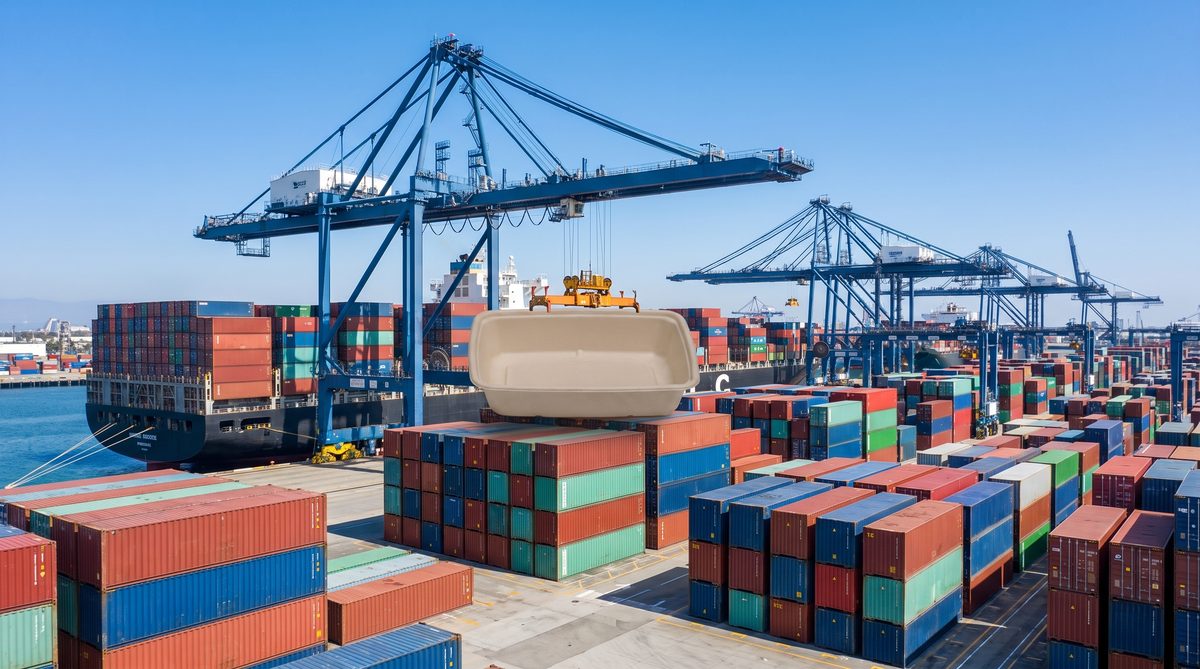
The US Department of Commerce has imposed anti-dumping duties on molded pulp tableware from China in a range from roughly 30% to over 120%, depending on the producer and product. For US importers, this changes the total landed cost calculation more than the factory price itself. Thailand-origin molded fiber tableware does not carry the same duty exposure, which is why many US distributors are reviewing Thailand-based suppliers as a tariff-safe alternative.
Duty comparison at a glance
| Factor | China-origin molded pulp | Thailand-origin molded pulp |
|---|---|---|
| US anti-dumping exposure | Approx. 30% - 120%+ (producer-specific, per US DOC findings) | Not subject to the China AD orders |
| HTSUS classification | Molded pulp/bagasse tableware typically under HTSUS 4823 family | Same HTSUS 4823 family classification |
| Duty planning | AD/CVD payment determined after arrival, adds cost uncertainty | Simpler duty structure for US importers |
| Tariff risk trend | Ongoing trade actions keep rates under review | Preferential treatment compared with China-origin goods |
| Fallback flexibility | Single-country exposure if capacity is China-only | Dual-base option with China lines for scale |
What this means for landed cost
For a US importer comparing quotes, the anti-dumping duty on China-origin bagasse tableware can add tens of percentage points on top of the standard tariff. A Thailand factory quote may be higher at the unit level but can win on total landed cost once duties, customs delays and AD/CVD uncertainty are included. Importers should model both scenarios with their customs broker before committing to annual volumes.
How dual-base supply reduces risk
A supplier with production in both China and Thailand gives US importers scale and tariff flexibility at the same time. Thailand-origin molded fiber products benefit from preferential tariff treatment into the US, while China lines add capacity depth and cost competitiveness for orders that can absorb the duty structure. Buyers can shift volume between origins as duty rulings change.
Zhong Xin Ecoware Technology (Thailand) Co., Ltd. operates a molded pulp tableware factory in Thailand as part of the Zhong Xin Group's dual-base production network. See our dual-source supply guide for the full comparison of delivery time, capacity and risk.
Questions to ask your Thailand supplier
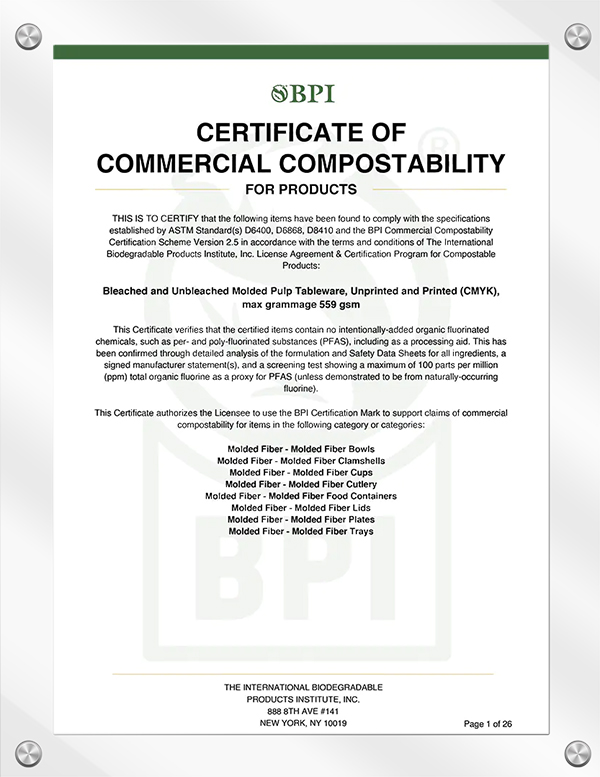
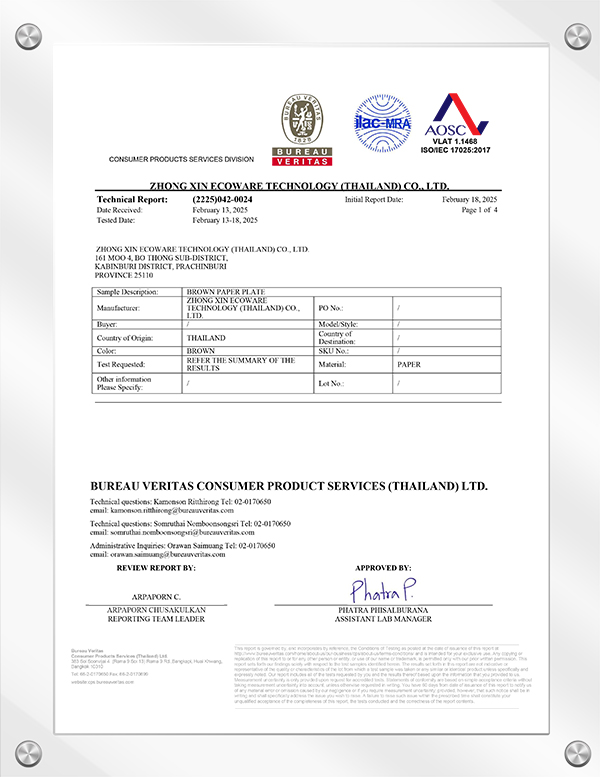
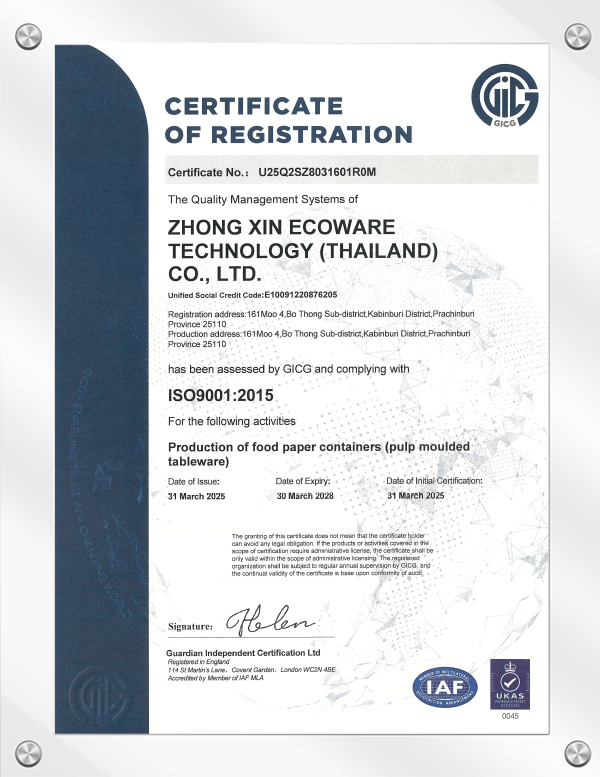
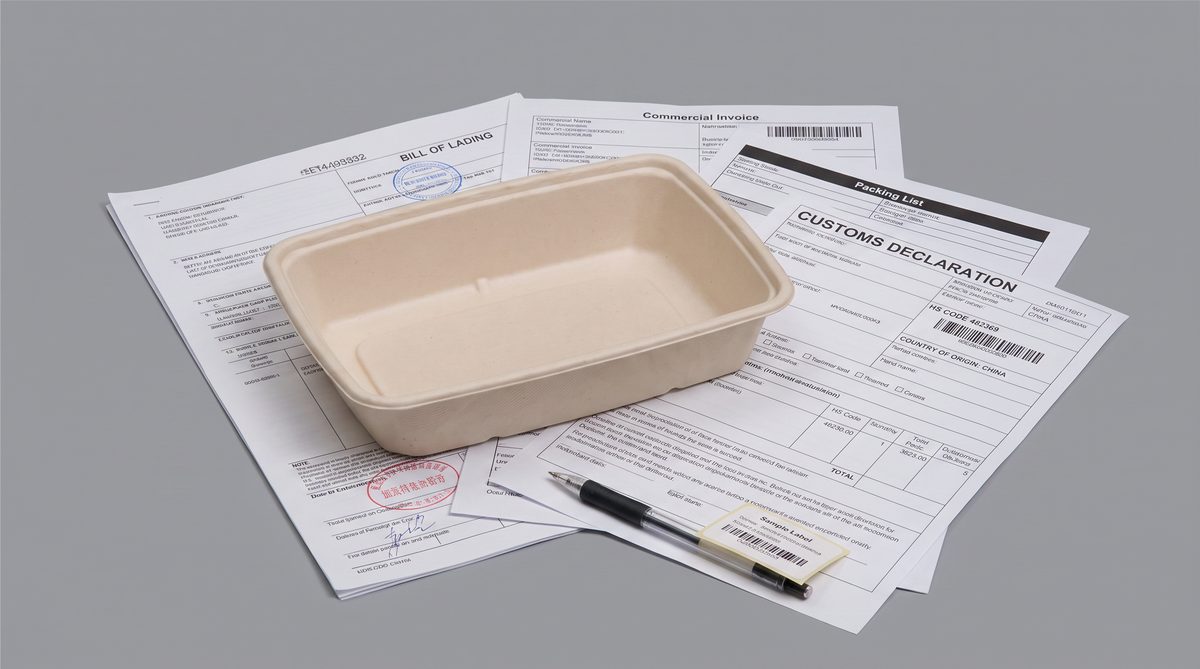
Confirm the plant of origin for each SKU, request country-of-origin documentation, verify the HTSUS classification with your broker, ask for the certificate file (food contact, compostability, PFAS-free), and check current delivery times for US-bound orders. Request samples before bulk commitment.
FAQ
What are the anti-dumping duty rates on bagasse tableware from China?
The US Department of Commerce has imposed anti-dumping duties ranging from about 30% to over 120% depending on the producer and product.
Are Thailand-origin bagasse tableware products subject to the same duties?
Thailand-origin molded fiber products benefit from preferential tariff treatment compared with China-origin goods and are not subject to the China anti-dumping orders.
How is molded pulp tableware classified for US customs?
Molded pulp and bagasse tableware is typically classified under the HTSUS 4823 family; confirm the exact subheading with your customs broker.
Can a supplier really produce from both China and Thailand?
Yes. Dual-base producers such as Zhong Xin Ecoware (Thailand) plus Zhong Xin Group China lines let buyers shift volume between origins for tariff and capacity flexibility.
What documents should a US importer request before ordering?
Country-of-origin documentation, food-contact certificates, compostability evidence, PFAS-free statements and factory audit documents matched to the exact SKU.
Buyer note: Duty rates, classifications and trade actions change over time; confirm current rates and rulings with your customs broker before placing orders.