-
 [email protected]
-
 +66-31240888



 English
 Español
 ไทย
ไทยNorth America Foam Bans Keep Expanding: Molded Fiber Replacement Options
North America Foam Bans Keep Expanding: How Molded Fiber Can Support School and Takeaway Replacement
North America is moving away from expanded polystyrene foam in foodservice packaging. The shift is not only about environmental image. It affects how schools, QSR chains, airline catering operators, supermarket deli counters, and takeaway brands choose trays, clamshells, bowls, plates, and cup carriers.
Virginia is a useful signal. The Virginia Department of Environmental Quality explains that large chain food vendors were required to stop dispensing prepared food in expanded polystyrene food service containers from July 1, 2025, and all other food vendors from July 1, 2026. The DEQ also states that the definition of food vendor includes public and private schools. That makes the regulation highly relevant for school foodservice and institutional meal programs.

Virginia Shows Why Schools Matter
School foodservice is a different packaging challenge from restaurant takeaway. It often involves high-volume meal preparation, portion control, compartment trays, fast serving lines, limited storage space, and tight budgets. When EPS foam is removed from the option list, procurement teams must find alternatives that are practical at scale.
For molded fiber suppliers, this creates a clear product-development direction. School foodservice buyers need trays that can handle meals such as sandwiches, burgers, pasta, fruit, salads, vegetables, and breakfast items. They also need stacking performance, case-pack consistency, and documentation that helps public procurement teams justify the change.
| School Foodservice Need | Packaging Requirement | Molded Fiber Opportunity |
|---|---|---|
| High-volume meal service | Fast stacking, stable trays, predictable case packs. | Compartment meal trays and nested molded fiber formats. |
| Portion control | Defined sections for protein, salad, fruit, and sides. | Multi-compartment trays and portioned containers. |
| Hot and cold meals | Performance across burgers, sandwiches, pasta, salads, and sides. | Application-specific fiber tableware and barrier options. |
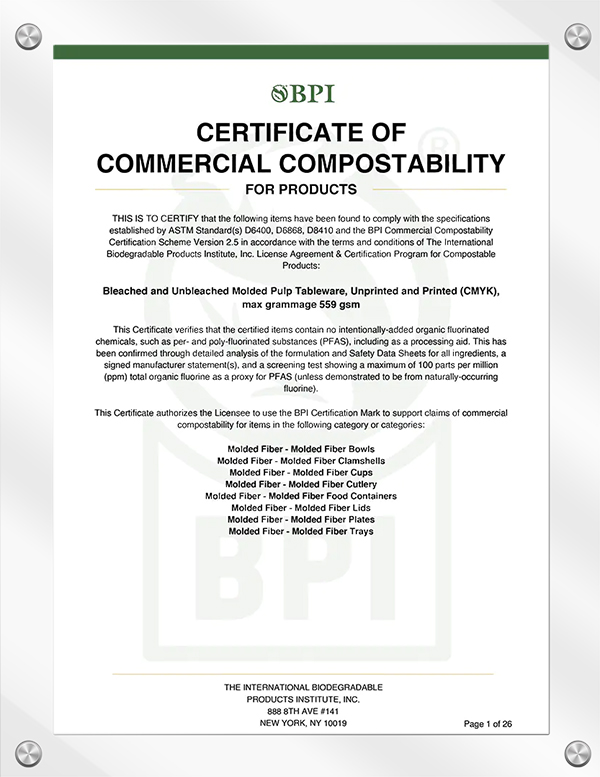
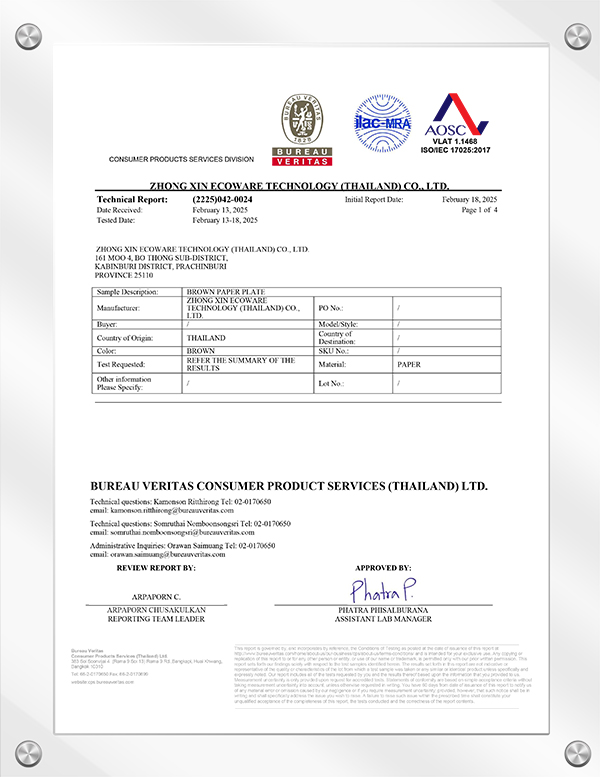
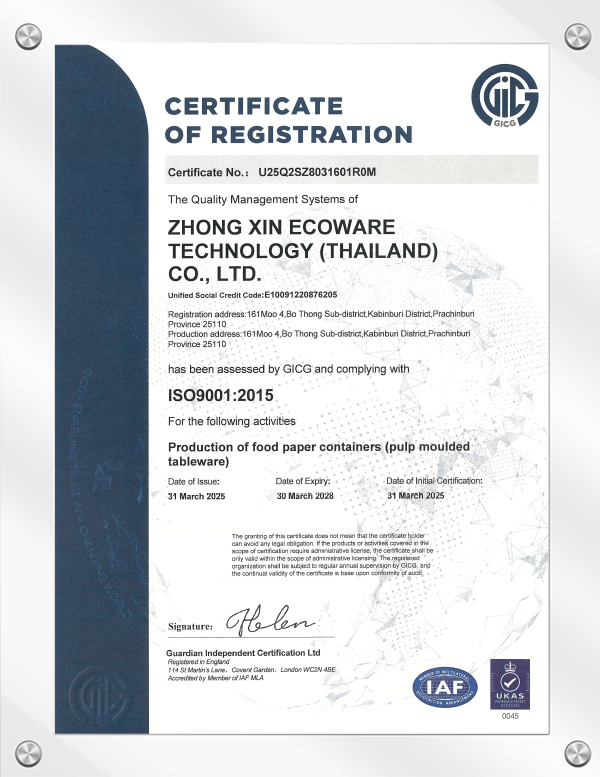
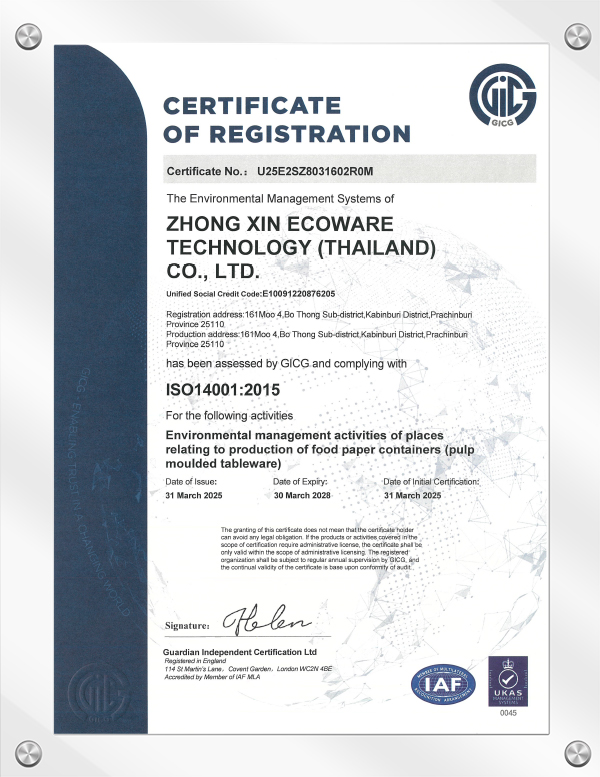
| Public procurement | Compliance documents and supplier qualification files. | Food-contact reports, PFAS-related files, specifications, certificates. |
State-Level Foam Replacement Is Wider Than Virginia
Virginia is part of a broader North American pattern. Washington State’s Department of Ecology states that EPS food service products such as containers, plates, bowls, clamshells, trays, and cups are banned for sale and distribution. Oregon’s Department of Environmental Quality explains that food vendors may not use polystyrene foam containers for prepared food from January 1, 2025, and Oregon also restricts foodware containers with intentionally added PFAS. New York’s statewide foam ban restricts disposable expanded polystyrene foam food service containers.
Canada also contributes to the regional shift. Environment and Climate Change Canada includes certain foodservice ware made from problematic plastics, including expanded polystyrene foam, in its Single-use Plastics Prohibition Regulations.
Takeaway Packaging Needs More Than a Foam Alternative
For takeaway brands, a replacement package must survive real delivery conditions. The container may hold a burger, salad, pasta, roasted vegetables, sandwich, or breakfast item. It may be stacked in a delivery bag, exposed to steam, or handled by multiple workers before reaching the customer.
This is why molded fiber foodservice packaging should be evaluated by application, not just material. A clamshell for burgers, a lidded salad bowl, a cup carrier, and a compartment tray all have different performance requirements.
| Takeaway Scenario | Buyer Concern | Supplier Response |
|---|---|---|
| QSR burgers and sandwiches | Lid fit, grease resistance, heat handling, stacking. | Clamshell containers with application-specific performance review. |
| Supermarket deli | Presentation, portion consistency, chilled storage. | Bowls, trays, and deli containers matched to product use. |
| School meals | Portion sections, storage, serving speed, cost control. | Compartment trays and standard case packs. |
| Airline catering | Space efficiency, lightweighting, clean presentation. | Trays and meal-service components with clear specifications. |
| E-commerce food packaging | Right-sizing, protective performance, branding. | Fiber-based inserts, trays, and custom packaging support. |
What Buyers Should Ask Before Switching
Foam replacement is easier when the supplier can support both performance testing and documentation. Buyers should request product specifications, food-contact files, PFAS-free evidence where relevant, carton and pallet data, and sample testing for real menu items.
- Which molded fiber tableware SKU replaces the current foam container?
- Can it hold the same food weight, heat, oil, and moisture level?
- Does the lid close reliably during delivery or school meal service?
- Can the supplier provide food-contact compliance documents?
- Can the supplier support PFAS-related questions and material declarations?
- Will the case pack fit current storage and distribution systems?
How Zhong Xin Ecoware Supports Foam Replacement Projects
Zhong Xin Ecoware supplies molded fiber and sugarcane bagasse food packaging for school foodservice, takeaway, QSR chains, supermarket deli, airline catering, and private-label programs. Buyers can review Zhong Xin Ecoware’s food packaging solutions, product catalog, and OEM/ODM packaging support when building a foam replacement plan.
For more North American context, see Zhong Xin Ecoware’s articles on North America foam bans and fiber demand and Virginia EPS ban replacement opportunities.
FAQ
Does Virginia’s EPS ban affect schools?
Virginia DEQ states that the definition of food vendor includes public and private schools, making the ban relevant to school foodservice procurement.
Can molded fiber replace every foam container?
Not automatically. Buyers should match each foam item to a molded fiber SKU based on food type, temperature, oil and moisture exposure, lid fit, stacking, and case packing.
What documents do school and QSR buyers need?
They commonly request product specifications, food-contact documents, PFAS-related evidence, material declarations, supplier certificates, and sample test results.
To evaluate molded fiber tableware for school or takeaway replacement, contact Zhong Xin Ecoware for samples and project-specific documents.
Get a Quote from Zhong Xin Ecoware
Zhong Xin Ecoware Technology (Thailand) Co., Ltd. supplies bagasse and molded fiber food packaging to importers, distributors and foodservice brands. For MOQ, pricing, samples and lead time, contact the sales team through the contact page.
Related resources: Certifications | Dual-source supply | OEM/ODM guide
Zhong Xin Ecoware Technology (Thailand) Co., Ltd. supplies bagasse and molded fiber food packaging to importers, distributors and foodservice brands. For MOQ, pricing, samples and lead time, email info@fiber-product.com or use the contact form.



Zhong Xin Ecoware(Thailand) was registered on November 1, 2023, and officially began construction of the factory building in June 2024. At present, the first phase workshop of the factory has been fully completed and put into use. The second phase of the factory is being constructed intensively.
The landing and development of Zhong Xin in Thailand has brought a large amount of initial investment for land, factories, etc., and continuous operational investment for continuous equipment updates, technological upgrades, and capacity expansion.
Zhong Xin Ecoware(Thailand) has directly and indirectly created thousands of job opportunities, increased government revenue, promoted local economic development, cultivated local supply chains, provided systematic training for employees, improved the quality of local human capital, injected vitality into the local economy, enhanced industrial competitiveness, and ultimately improved residents' living standards.
Zhong Xin Ecoware(Thailand) actively collaborates with local pulp mills to explore new cooperation models for developing new products, improving production capacity and quality. At the same time, relying on Zhongxin's advanced production technology, process flow, management experience, and quality control system, it promotes the development of this industry in Thailand.

-
-
 +66-31240888
 -
 161 Village No. 4, Bo Thong Subdistrict Kabin Buri District Prachinburi Province 25110
-
New Bagasse Tableware Lineup for 2026: What Is New and Where to See It
Sep 28,2026
-
How to Select Bagasse Clamshells for Burgers, Rice Meals and Fried Food
Sep 28,2026
-
Microwave Reheating: Is a Bagasse Lunch Box Suitable
Sep 25,2026
-
9 Inch Pizza Plates and Bagasse Pizza Boards: A Sourcing Guide for US and Canadian Distributors
Sep 19,2026
-
PFAS-Free & Compostability Verification: A Buyer's Checklist for Bagasse and Molded Fiber Packaging
Sep 19,2026
-
Bagasse vs PLA vs Molded Fiber: What Distributors Should Stock in 2026
Sep 19,2026
-
Can Sugarcane Plates Handle Hot, Greasy Foods
Sep 18,2026
-
Bagasse Tableware RFQ Template: Get a Comparable Thailand Factory Quote
Sep 14,2026
-
Are Takeaway Food Containers Ready for Saucy Meals
Sep 11,2026
-
7-Inch vs 9-Inch Bagasse Plates: Carton and 20GP Guide
Sep 07,2026
-
Will Bagasse Pulp Trays Sag Under Heavy Meals
Sep 04,2026
-
Zhongxin Packaging at the 140th Canton Fair 2026: Booths and Buyer Meeting Guide
Sep 02,2026
Copyright © 2025 Zhong Xin Ecoware Technology ( Thailand ) CO., LTD.
All Rights Reserved.

Biodegradable Disposable Bagasse Tableware Manufacturer