


 English
 Español
 ไทย
ไทย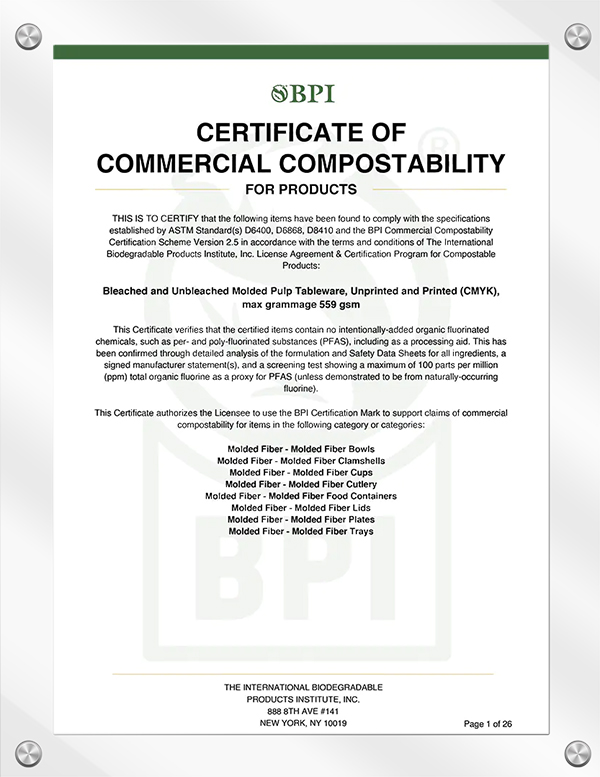
Retail packaging must do more than hold a product. It needs to fit shelf dimensions, present brand information clearly, ...
READ MOREWelcome to Zhong Xin Ecoware Technology ( Thailand ) CO., LTD. Official Website
-
 [email protected]
-
 +66-31240888
Biodegradable Cup & Lid & Holder Factory
Biodegradable cup lids offer a compostable alternative to conventional plastic lids, enhancing beverage packaging sustainability. Typically made from bagasse, these lids are designed to fit securely on various cup sizes, including 8 oz, 12 oz, and 16 oz options. They are available in dome, flat, and sip-through styles, depending on beverage type and user preference. These lids are heat-resistant and suitable for both hot and cold beverages, making them ideal for coffee shops, juice bars, and takeaway drink services.
-
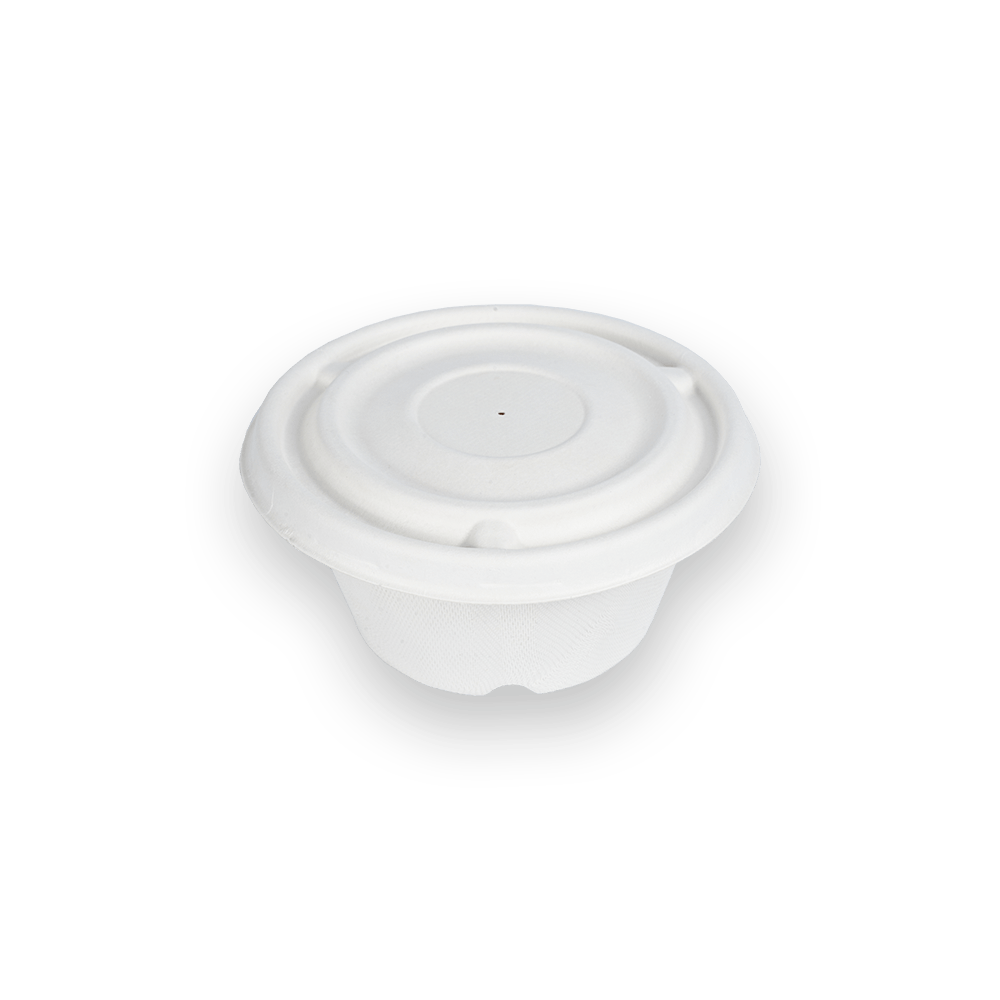 Pulp lid for 12oz/16oz soup cup
Size(mm)
Ø132*13
Weight(g)
8
Pcs/Bag
50
Bags/CTN
10
Pcs/CTN
500
L/CTN
68
W/CTN
26
H/CTN
28
Volume/CT
0.049504
CONTACT US -
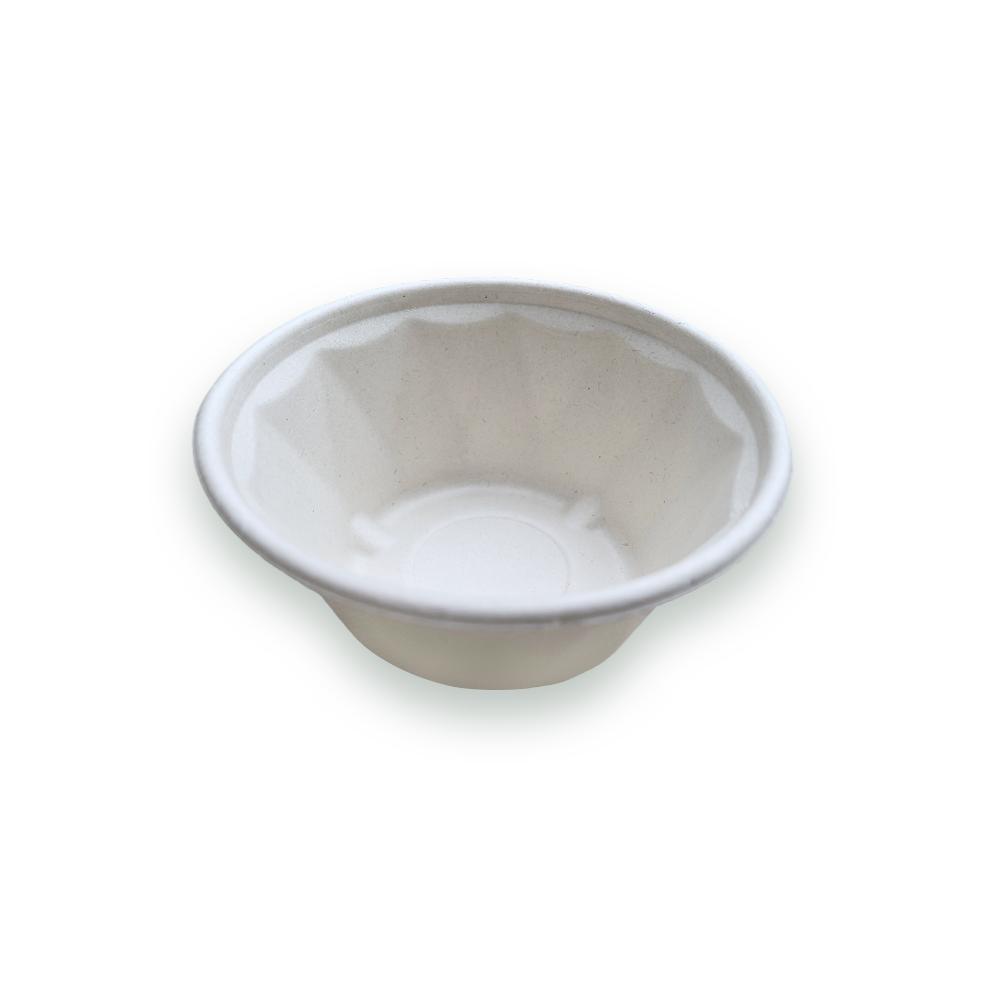 N16oz Soup Paper Cup
Size(mm)
Ø125*60
Weight(g)
12
Pcs/Bag
50
Bags/CTN
10
Pcs/CTN
500
L/CTN
64
W/CTN
29.5
H/CTN
26.5
Volume/CT
0.050032
CONTACT US -
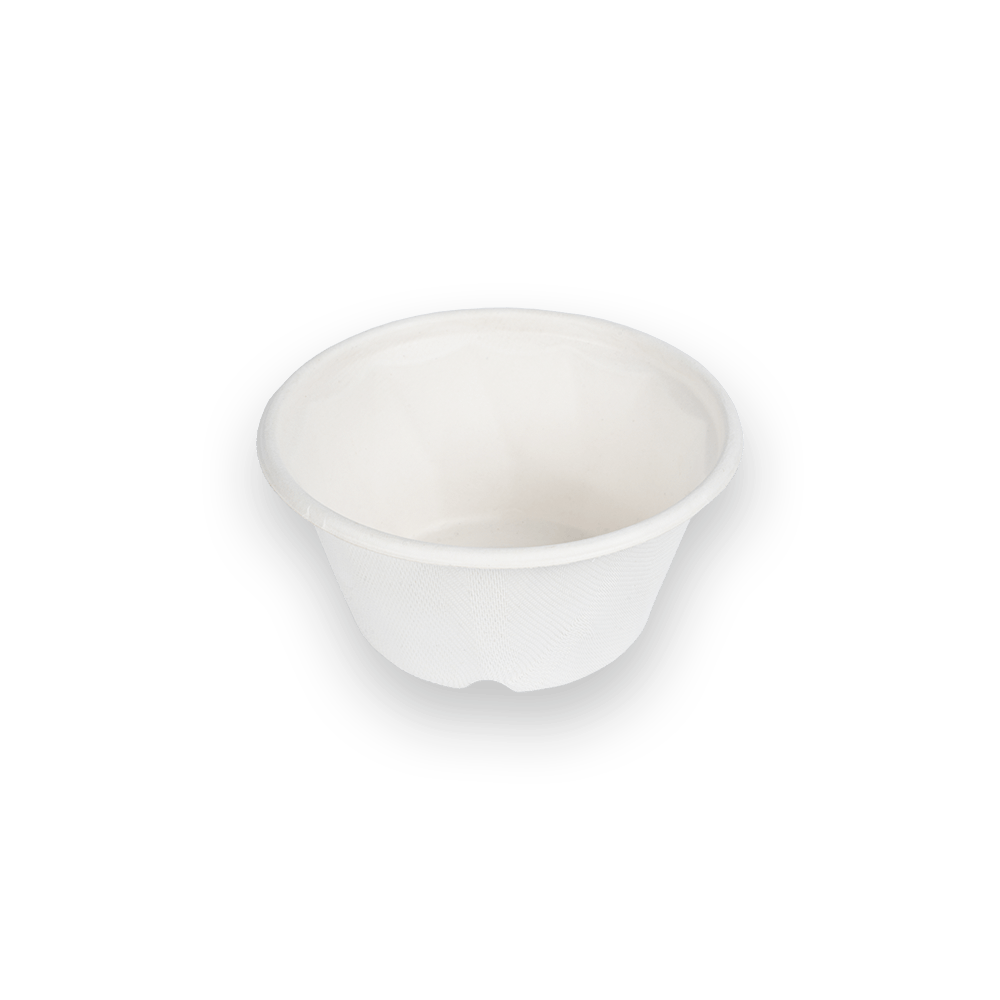 12oz soup cup
Size(mm)
Ø125*50
Weight(g)
10
Pcs/Bag
50
Bags/CTN
10
Pcs/CTN
500
L/CTN
64
W/CTN
22
H/CTN
26.5
Volume/CT
0.037312
CONTACT US -
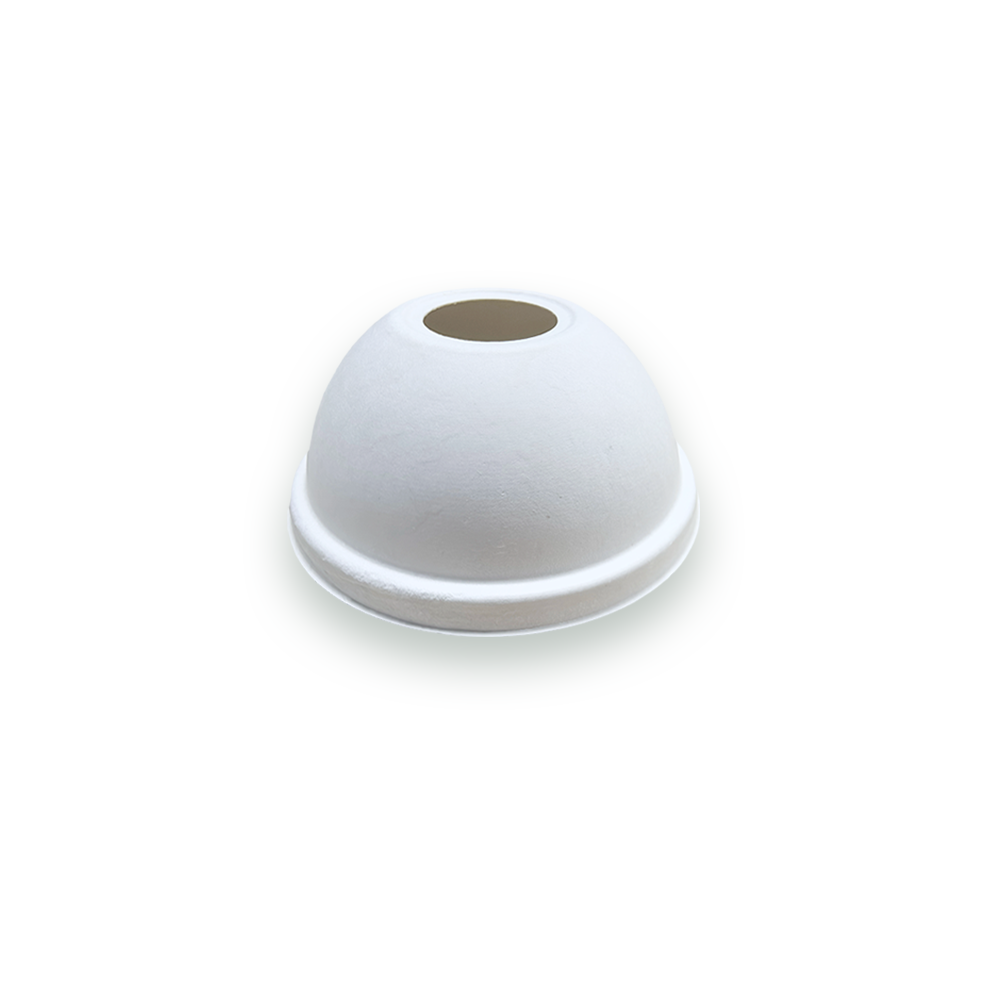 90mm dome lid
Size(mm)
Ø93.9*37.1
Weight(g)
4.2
Pcs/Bag
50
Bags/CTN
20
Pcs/CTN
1000
L/CTN
44
W/CTN
33
H/CTN
49
Volume/CT
0.0647
CONTACT US -
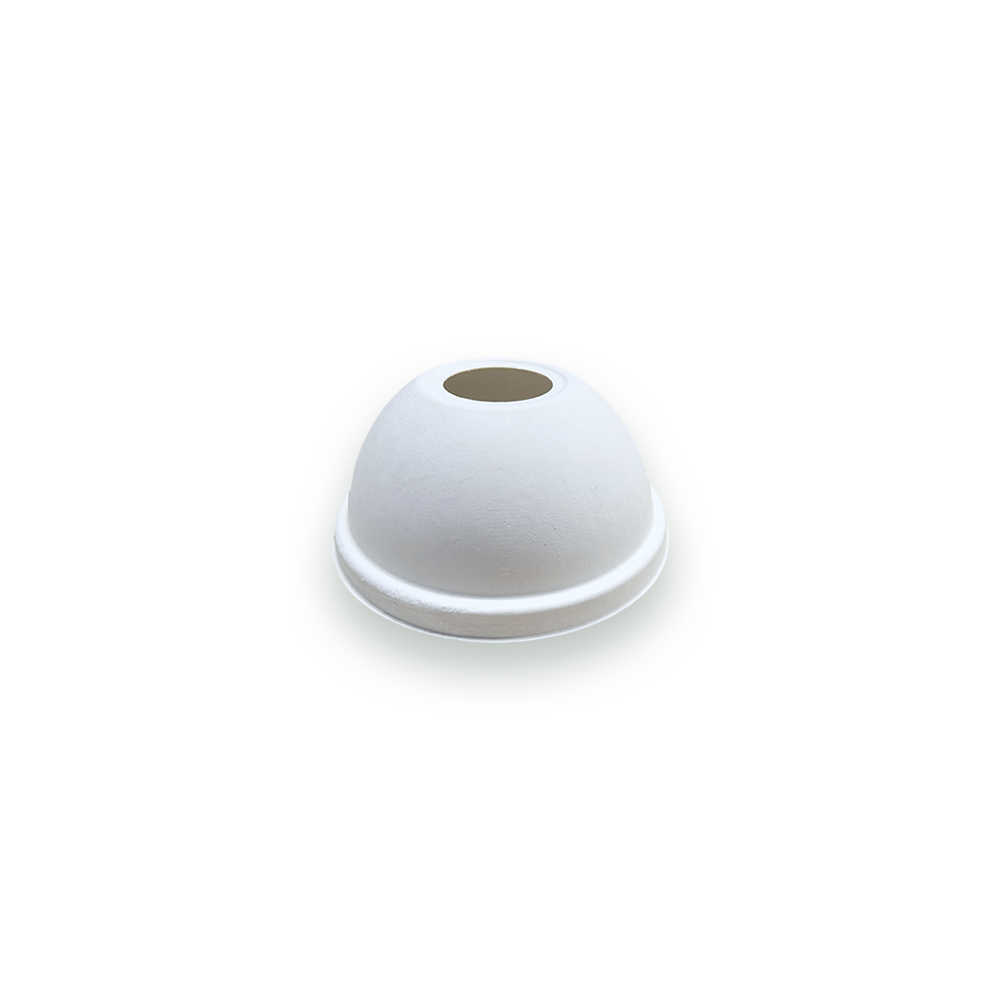 80mm dome lid
Size(mm)
Ø84.5*32.6
Weight(g)
3.8
Pcs/Bag
50
Bags/CTN
20
Pcs/CTN
1000
L/CTN
44
W/CTN
33
H/CTN
35
Volume/CT
0.0508
CONTACT US -
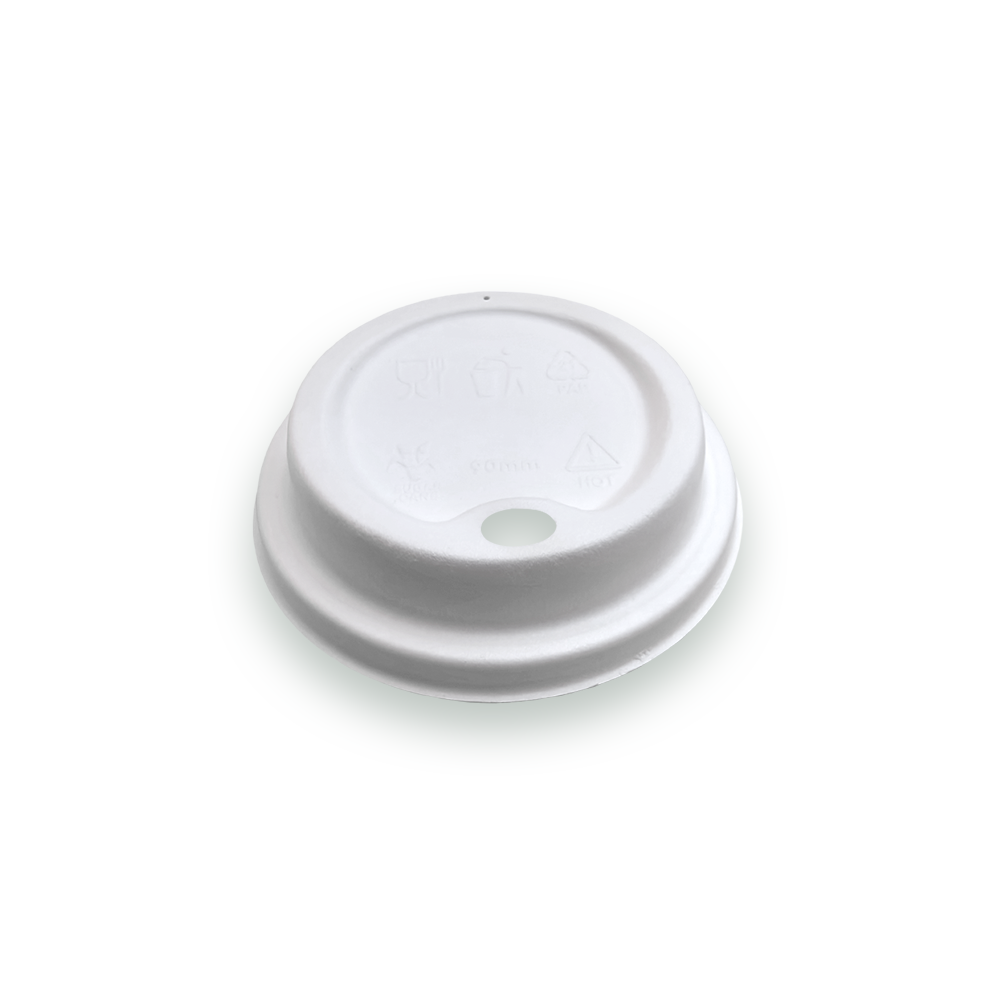 X90mm lid
Size(mm)
Ø93*20
Weight(g)
5
Pcs/Bag
50
Bags/CTN
20
Pcs/CTN
1000
L/CTN
49
W/CTN
28
H/CTN
39
Volume/CT
0.0535
CONTACT US -
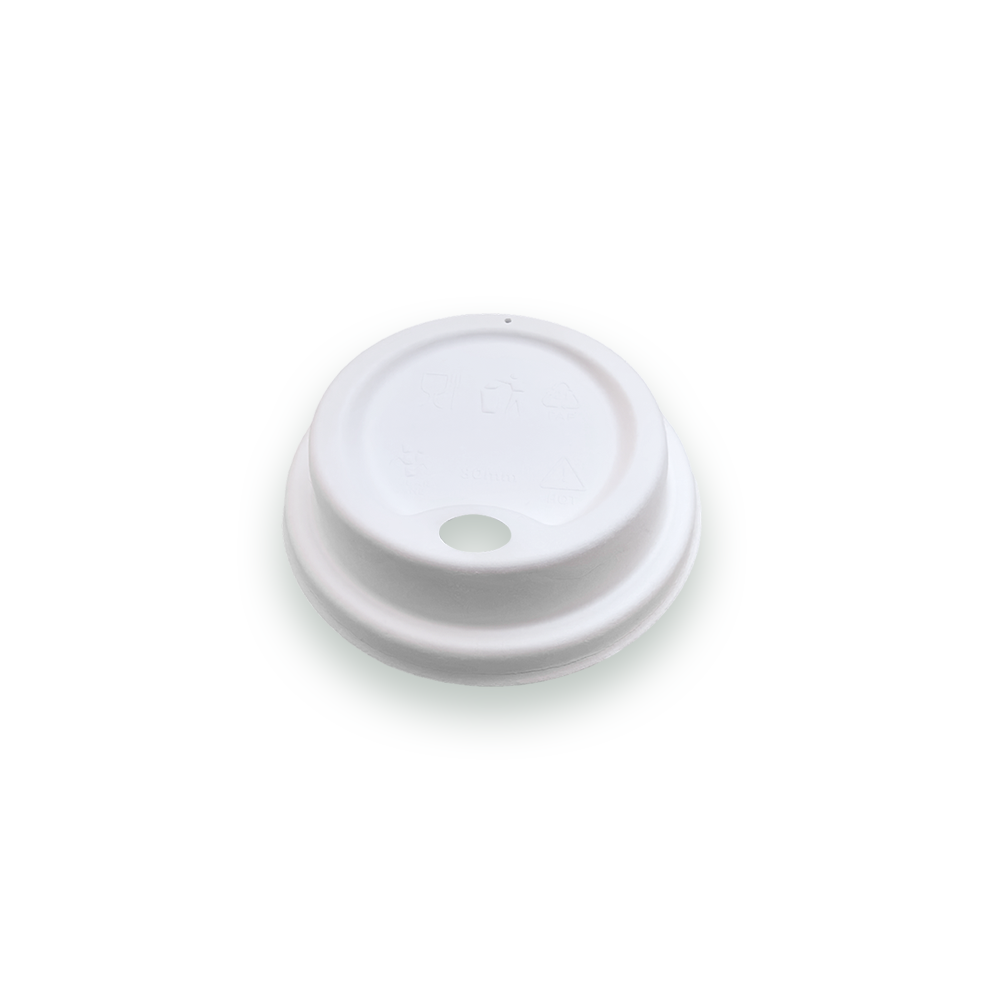 X80mm lid
Size(mm)
Ø82*18
Weight(g)
4
Pcs/Bag
50
Bags/CTN
20
Pcs/CTN
1000
L/CTN
44
W/CTN
29.5
H/CTN
35
Volume/CT
0.04543
CONTACT US -
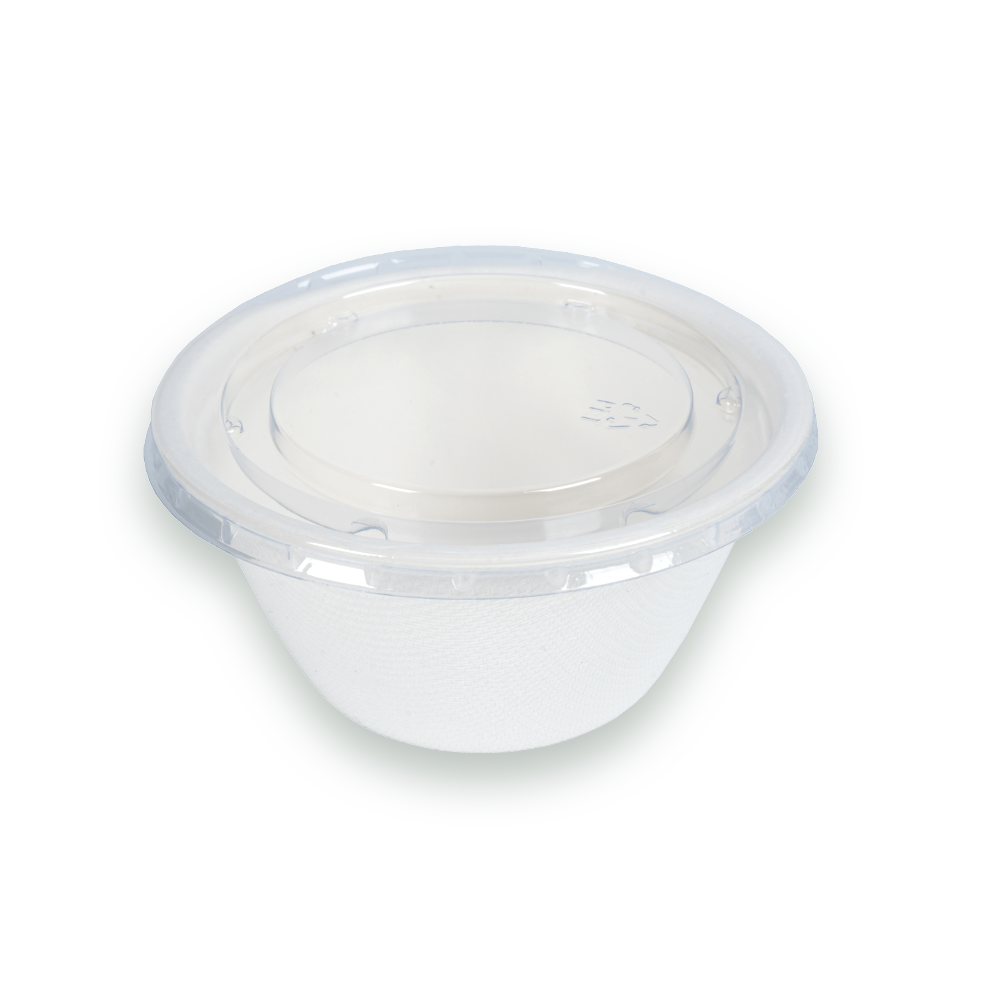 7 OZ CUP Pulp Lid
Size(mm)
104*8
Weight(g)
4
Pcs/Bag
100
Bags/CTN
15
Pcs/CTN
1500
L/CTN
53.5
W/CTN
37.6
H/CTN
32.5
Volume/CT
0.065377
CONTACT US -
7 OZ paper CUP
Size(mm)
Ø96*48
Weight(g)
7
Pcs/Bag
100
Bags/CTN
15
Pcs/CTN
1500
L/CTN
50
W/CTN
46
H/CTN
31
Volume/CT
0.0713
CONTACT US
Our Story
Zhong Xin Ecoware Technology ( Thailand ) CO., LTD.
Zhong Xin Ecoware(Thailand) is a Thailand Wholesale Biodegradable Cup & Lid & Holder Manufacturer and OEM Biodegradable Cup & Lid & Holder Factory. Both the first and second phases of the Thailand plant have now been completed and put into production, bringing the site to an annual capacity of 100,000 tonnes. The plant is already supplying orders for customers in the United States.
The landing and development of Zhong Xin in Thailand has brought a large amount of initial investment for land, factories, etc., and continuous operational investment for continuous equipment updates, technological upgrades, and capacity expansion.
Zhong Xin Ecoware(Thailand) has directly and indirectly created thousands of job opportunities, increased government revenue, promoted local economic development, cultivated local supply chains, provided systematic training for employees, improved the quality of local human capital, injected vitality into the local economy, enhanced industrial competitiveness, and ultimately improved residents' living standards.
Zhong Xin Ecoware(Thailand) actively collaborates with local pulp mills to explore new cooperation models for developing new products, improving production capacity and quality. At the same time, relying on Zhongxin's advanced production technology, process flow, management experience, and quality control system, it promotes the development of this industry in Thailand.
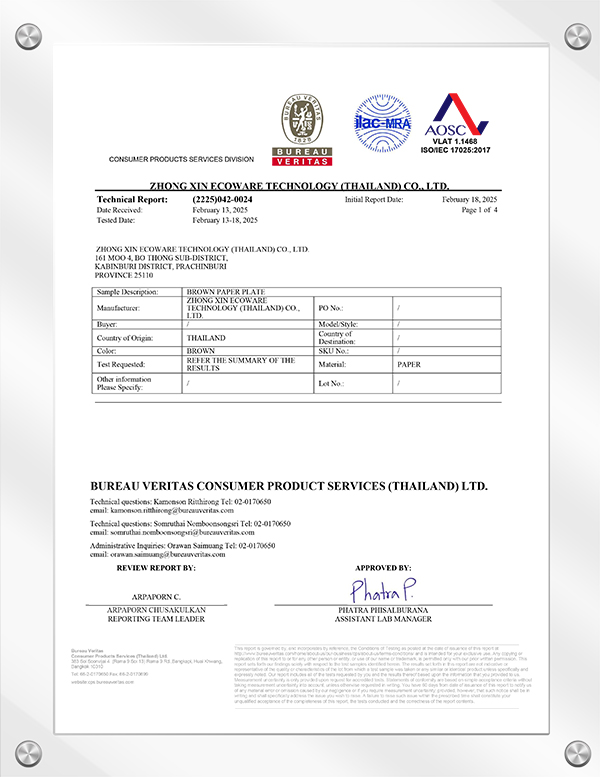
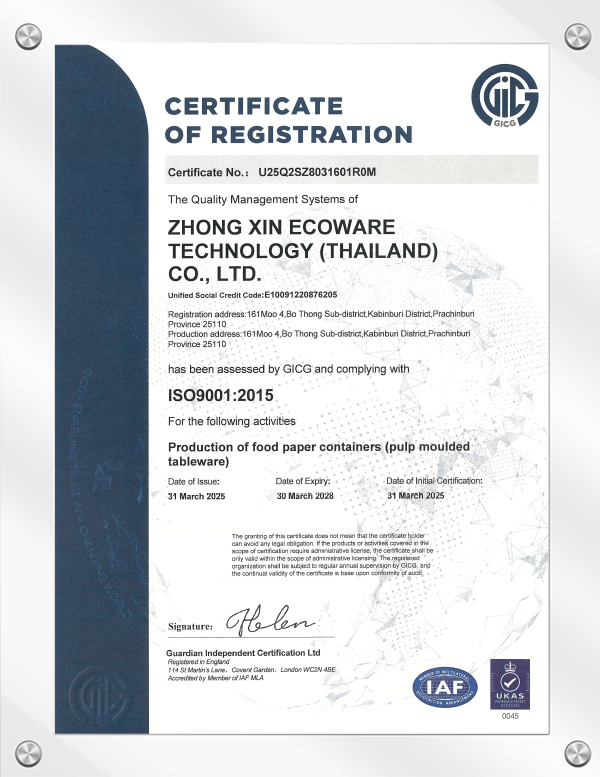
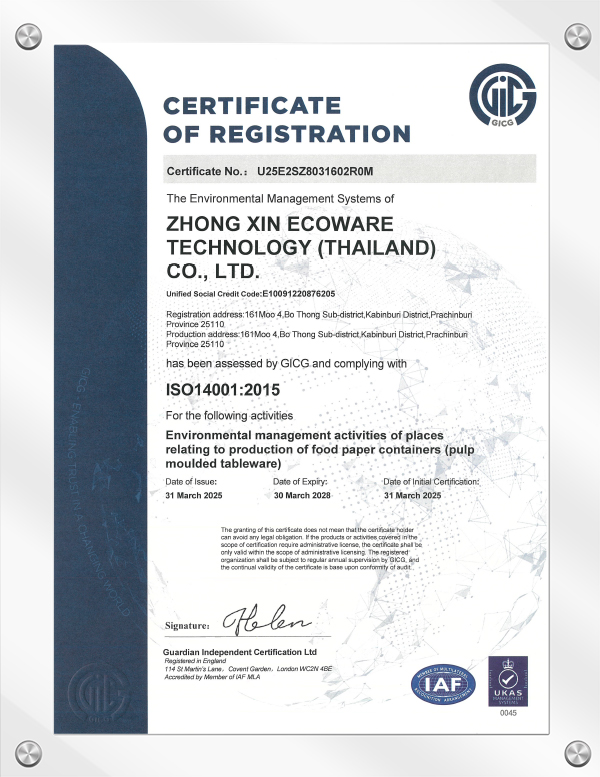
Certificate Of Honor
News & Events
-
-
Published: October 20, 2026 | By Zhong Xin Ecoware Technology (Thailand) Co., Ltd. Bagasse Cups, Cup Lids and Cup Holde...
READ MORE -
Published: October 16, 2026 How to Find Zhong Xin at the 140th Canton Fair: A Visitor Navigation Guide The 140th Canton...
READ MORE -
Published: October 15, 2026 | By Zhong Xin Ecoware Technology (Thailand) Co., Ltd. Quick Summary: Thailand vs China Bag...
READ MORE
Related Products
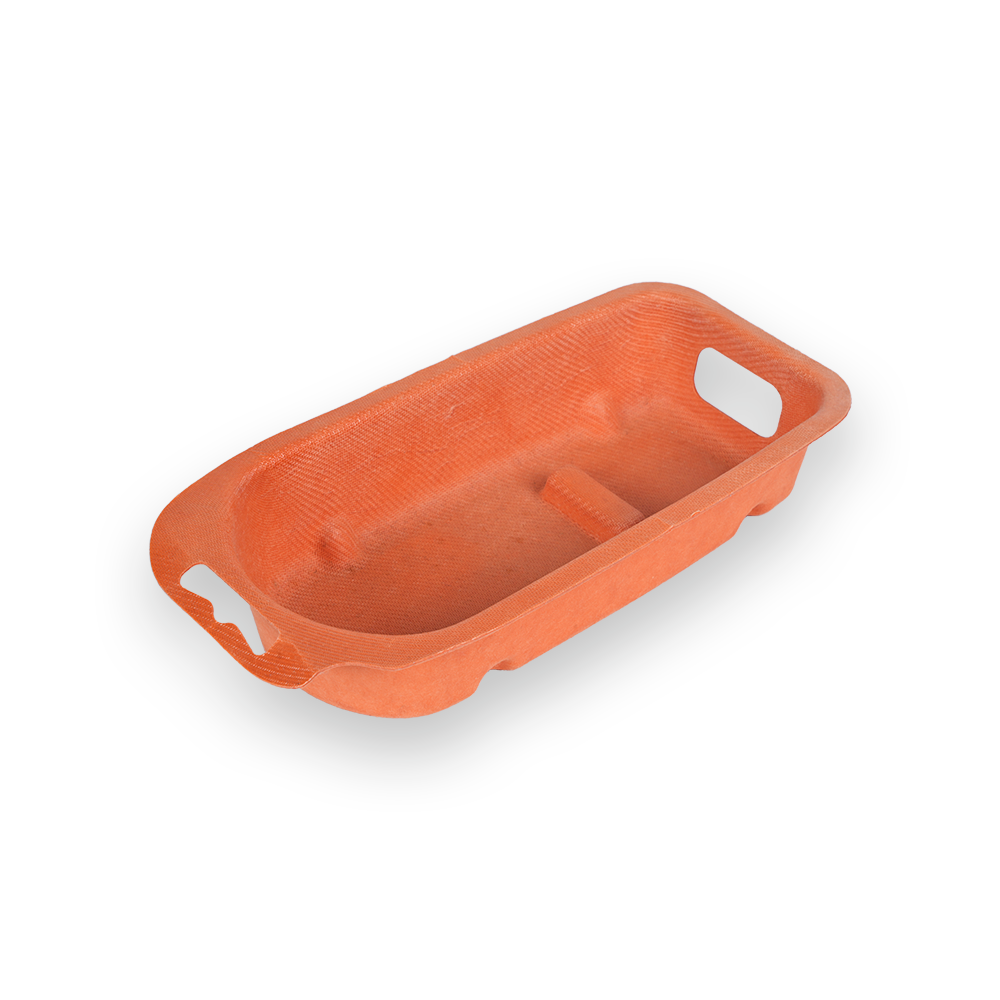
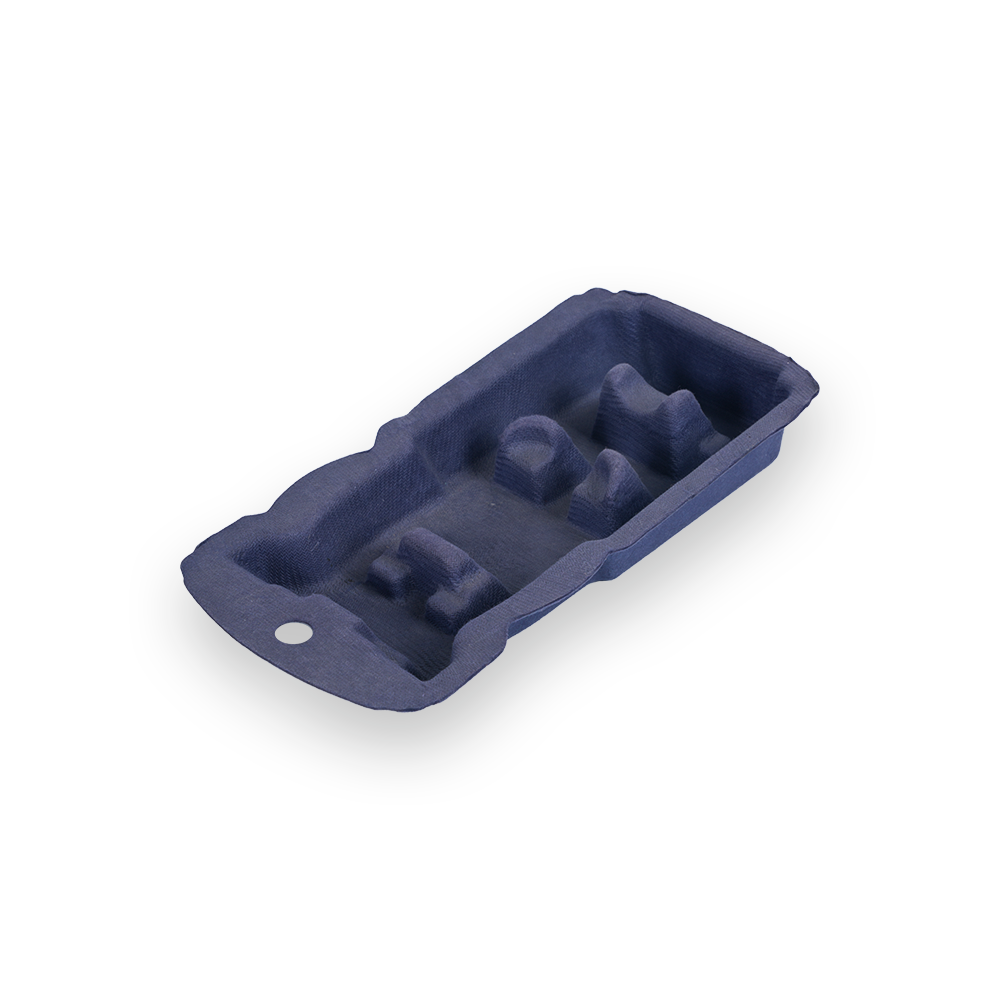
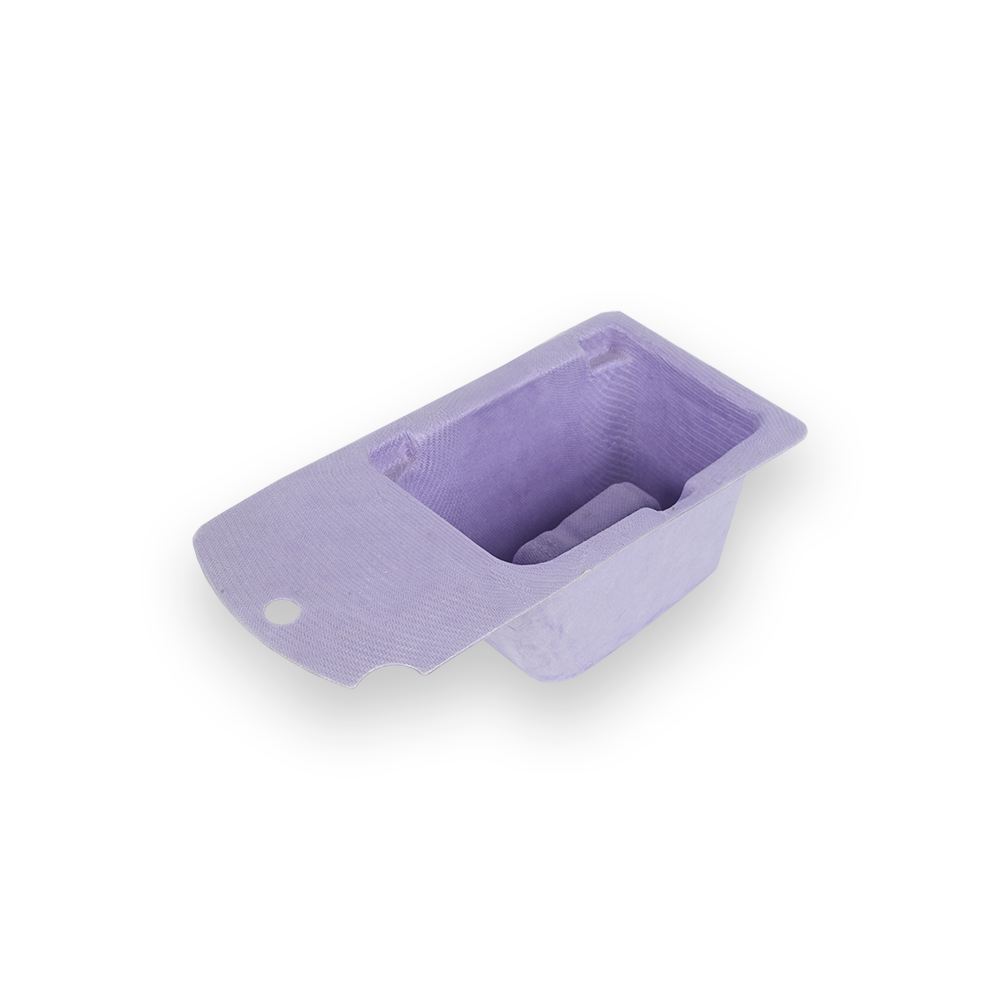
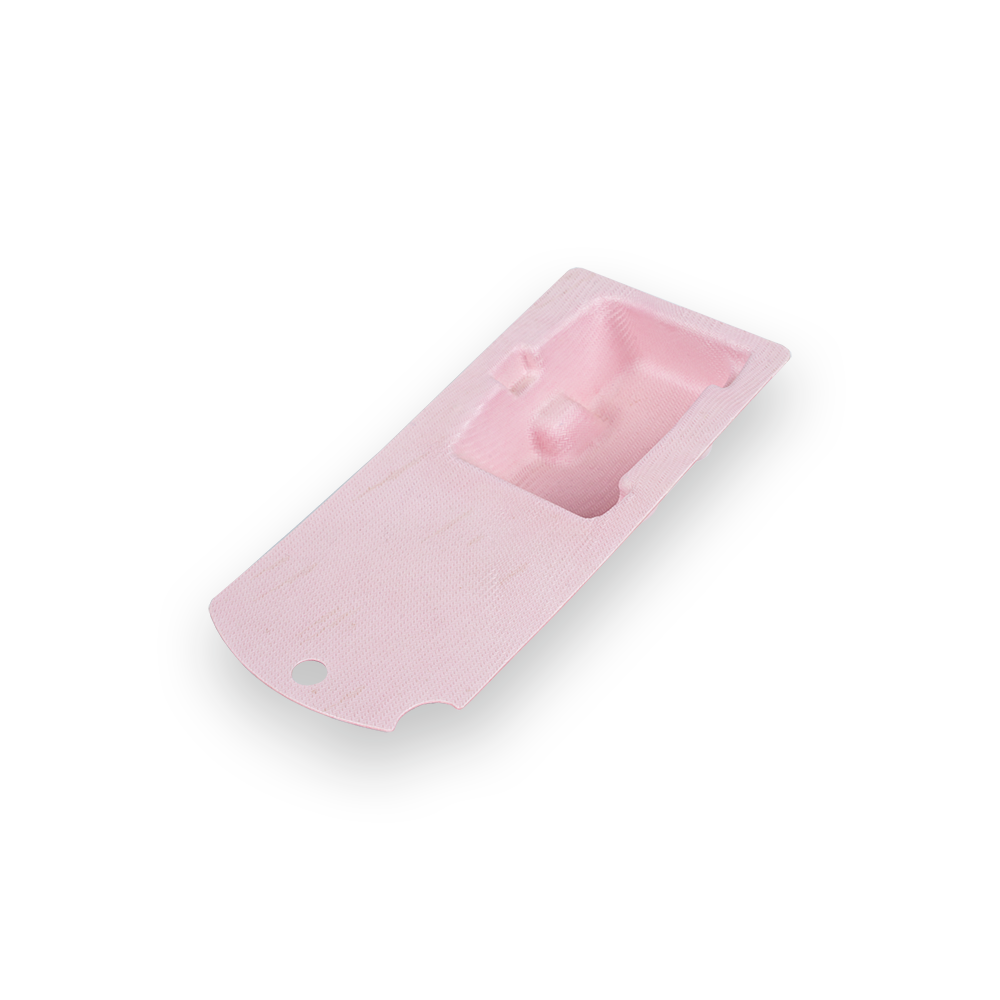
Industry Knowledge Extension
Why Are Biodegradable Cups, Lids, and Holders Important in Modern Life?
Disposable food and beverage packaging is used daily in cafes, offices, events, and public spaces. However, traditional plastic cups and lids contribute significantly to waste issues because they are slow to break down and often end up in landfills or waterways. This is where biodegradable cups, lids, and holders play a meaningful role.
Biodegradable drinkware products are made from natural materials such as paper, cornstarch-based plastics (PLA), or sugarcane bagasse. These materials are designed to break down under the right environmental conditions, reducing long-term waste impacts. For consumers who regularly buy coffee or other beverages on the go, switching to biodegradable packaging supports a lifestyle that aligns with environmental responsibility without sacrificing convenience.
Businesses also benefit. Many cafes and hospitality brands use biodegradable drinkware as part of sustainability commitments, responding to increasing customer expectations. This shift not only enhances brand image but can also help organizations comply with local waste reduction regulations.
Cup holders made from recycled paper or molded pulp also contribute to safety and comfort. They prevent spills and allow people to carry multiple beverages with ease, while still being recyclable or compostable.
Biodegradable cups, lids, and holders are helping reshape everyday consumption habits. They offer a more environmentally conscious option while maintaining the practicality required for fast-paced, modern routines. Their growing adoption reflects a broader cultural movement toward responsible choices in daily life.
What Should We Know About Paper Coffee Cup Lids?
Paper coffee cup lids have gained traction as an alternative to plastic lids commonly used in takeaway beverage services. They are usually made from rigid paperboard with a food-safe coating to help maintain structure and prevent leakage. As a result, they can handle the heat and condensation produced by hot beverages like tea and coffee.
One notable benefit of paper lids is their reduced reliance on petroleum-based materials. This allows more of the product to be either recyclable or compostable, depending on regional waste systems. Some varieties are even designed to break down in home composting environments, which gives consumers an easier disposal option compared to plastic lids that may require specialized handling.
Comfort and safety are also important. Paper lids can be designed with smooth edges and a comfortable sipping experience. Some models feature raised sections or ergonomic contours to prevent spills while drinking on the move. These design considerations enhance usability not only for consumers but also for baristas who require consistent fitting and stability during beverage preparation.
However, performance depends on construction quality. Paper lids may soften if exposed to excessive moisture for long periods. They may also cost slightly more than plastic alternatives due to material and processing differences.
Even with these challenges, paper coffee cup lids represent a shifting approach in the beverage packaging industry. They support environments where reducing plastic waste is a growing priority and help provide a cohesive sustainable solution when paired with biodegradable cups.
How Do Paper Cups Sipper Dome Lids Improve the Drinking Experience?
Paper cups sipper dome lids are designed to offer both functional convenience and improved drinking comfort. Their dome-like shape accommodates beverages with foam or toppings, such as cappuccinos, lattes, or whipped-cream-topped drinks. The additional internal space helps prevent pressure buildup and reduces the risk of spills through the sipping opening.
These lids typically include a built-in spout or sip slot, enabling users to drink directly without removing the lid. This helps maintain beverage temperature for a longer duration, which is especially useful for hot drinks consumed during commutes. The controlled opening also allows safer handling by accidental splashes.
From a sustainability viewpoint, dome lids made from paper materials are a beneficial step forward. They reduce dependence on single-use plastics and are often compatible with composting or paper recycling systems. When paired with biodegradable or paper cups, they contribute to a more cohesive eco-friendly packaging solution.
The visual appeal of dome lids also matters. Their structured design often gives beverages a premium feel, which can enhance customer perception in cafes and food service environments. Branding or embossing options allow businesses to maintain professional presentation while supporting sustainable choices.
That said, manufacturers still face design challenges. Creating a strong seal between the lid and the cup is essential, particularly for travel. Material innovations continue to improve performance so that durability and environmental benefits can coexist.
Start Now
Get Quotation & Sample In 24h
Send us your product size, quantity, structure requirements, we will
reply the proposal and quotation within 24 hours, support sample proofing

-
-
 +66-31240888
 -
 161 Village No. 4, Bo Thong Subdistrict Kabin Buri District Prachinburi Province 25110
Quick Links
Product Categories
News & Events
-
Can Paper Packaging Meet Retail Shelf and Branding Requirements
Oct 23,2026
-
Bagasse Cups and Cup Lids: A Sourcing Guide for Foodservice and Takeaway Buyers
Oct 20,2026
-
How to Find Zhong Xin at the 140th Canton Fair: A Visitor Navigation Guide
Oct 16,2026
-
Thailand vs China Bagasse Tableware: 8 Comparisons Buyers Should Verify
Oct 16,2026
-
Will Takeout Containers Fit Your Existing Lids and Delivery Workflow
Oct 16,2026
-
What Is Bagasse Tableware? A 2026 Buyer Guide to Material, Performance and Documents
Oct 13,2026
-
Bagasse Tray Wholesale: How Bulk Buyers Cut Cost with Carton and Container Planning
Oct 09,2026
-
What Should a Bagasse Manufacturer Include in a Bulk Order Quote
Oct 09,2026
-
FOB, CIF or DDP? Incoterms for Bagasse Tableware Buyers Shipping from Thailand
Oct 06,2026
-
Packaging or Food Contact? Which EU Regime Applies to Bagasse Cups, Bowls, Plates and Cutlery
Oct 06,2026
-
Compostable Cutlery Sets for Private Label: 7 Sourcing Checks for Retail and Foodservice Buyers
Oct 06,2026
-
US vs EU Bagasse Tableware Imports: 8 Documentation and Compliance Checks Buyers Should Run
Oct 06,2026
Copyright © 2025 Zhong Xin Ecoware Technology ( Thailand ) CO., LTD.
All Rights Reserved.

Biodegradable Cup & Lid & Holder Wholesale