-
 [email protected]
-
 +66-31240888



 English
 Español
 ไทย
ไทยBagasse Tableware: Composition and Production
Bagasse Tableware: Composition and Production
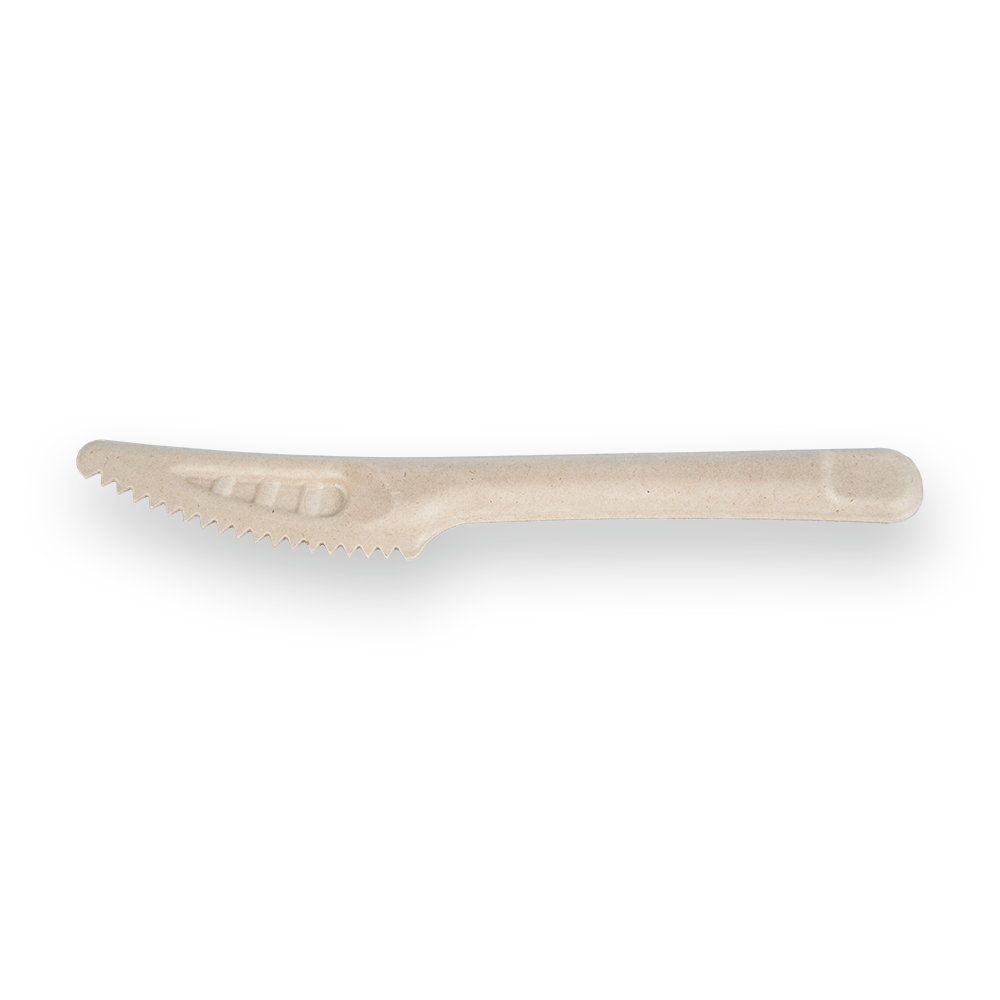
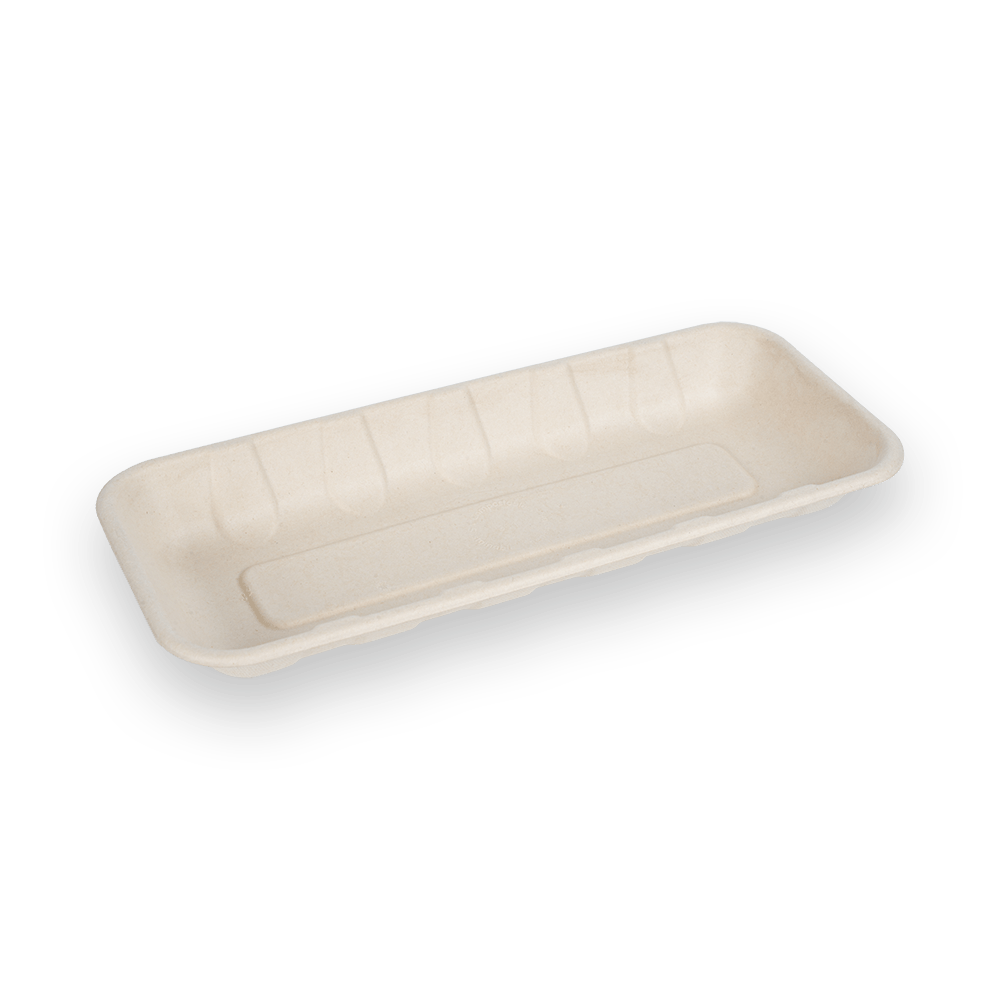
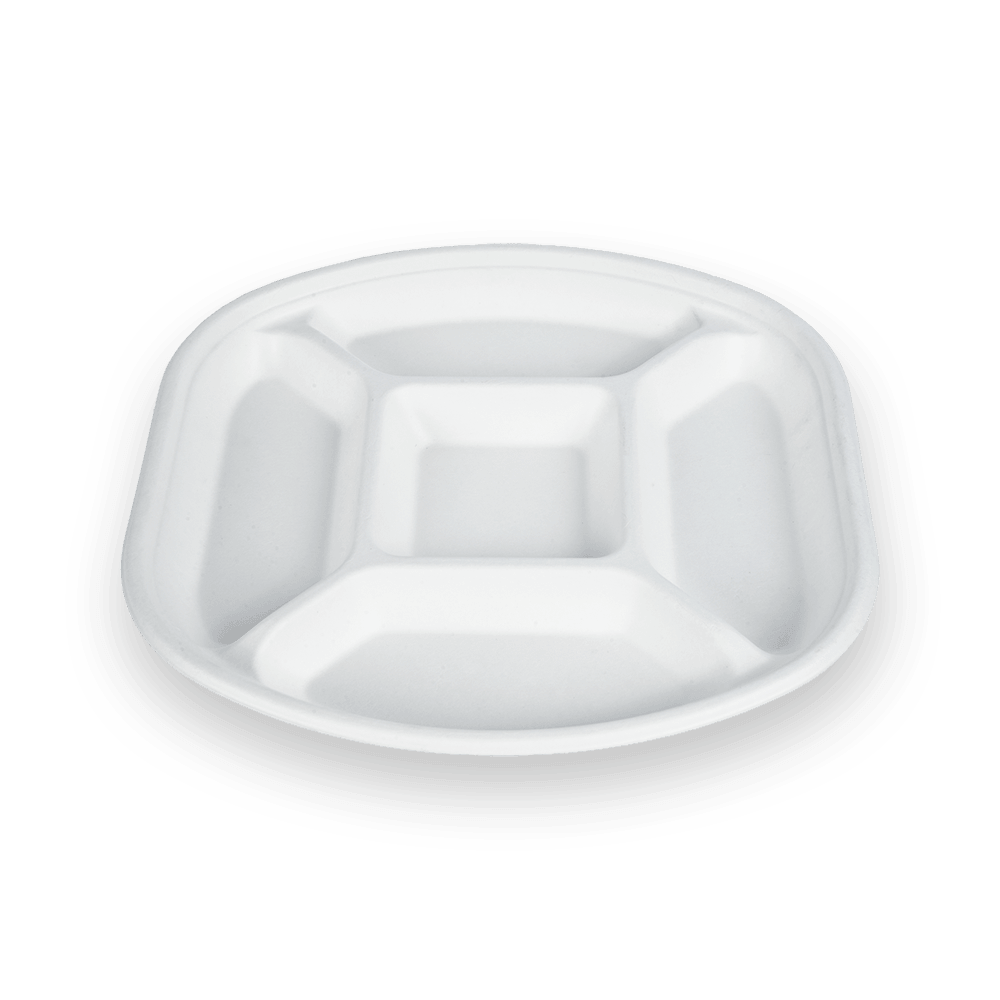
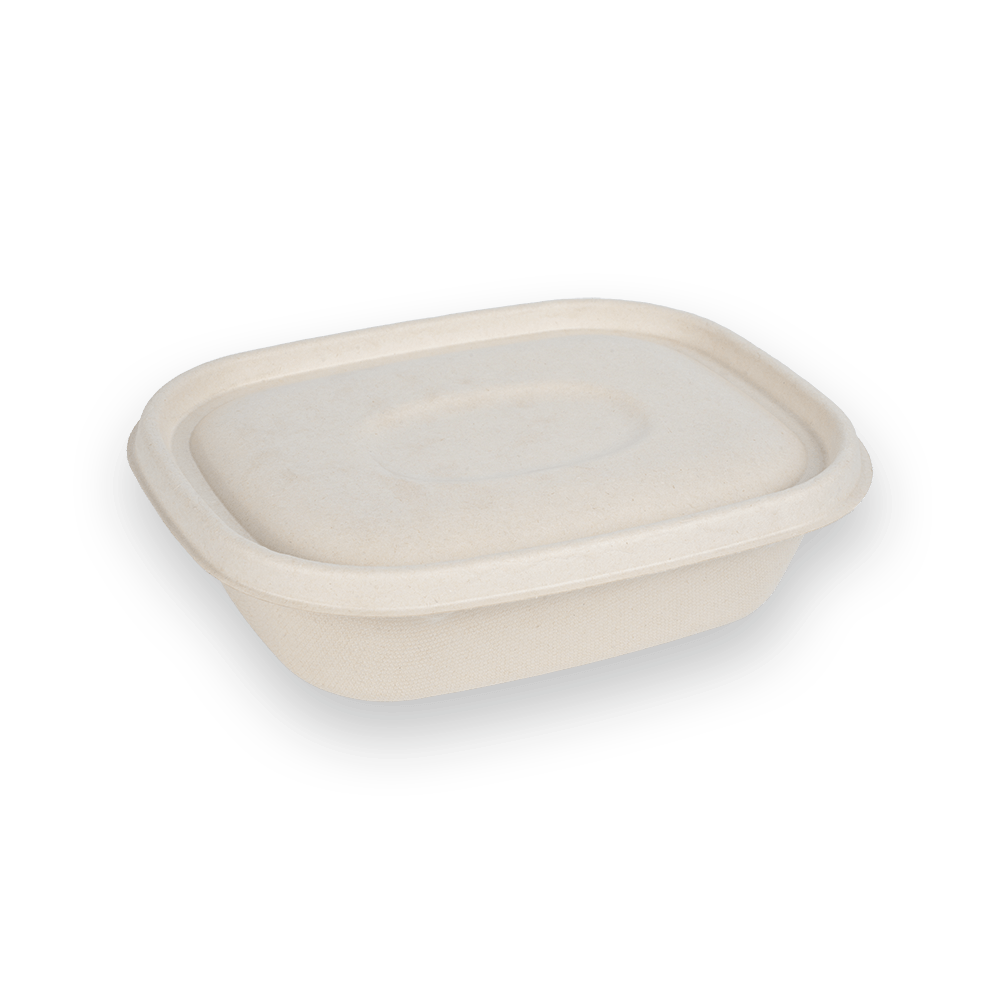
Bagasse tableware manufacturer is a category of disposable foodservice products manufactured from the fibrous residue left after extracting juice from sugarcane stalks. As a byproduct of the sugar industry, bagasse is a renewable, plant-based material that is processed to create plates, bowls, clamshell containers, and trays. Its development represents an application of agricultural waste valorization, offering an alternative to petroleum-based plastics and polystyrene foam for single-use applications.
Material Source and Initial Processing
The primary raw material is bagasse itself, the dry, pulpy fibrous matter that remains after sugarcane is crushed to extract its juice. In sugar mills, this material is traditionally burned as a low-efficiency fuel or sometimes treated as waste. For tableware production, the bagasse is collected and subjected to a series of preparation steps. It is first washed to remove residual sugars and impurities, which prevents microbial growth and odor in the final product. The cleaned fibers are then pulped, a process that involves mixing with water and often a small amount of non-toxic binding agents or waxes derived from plants to help with cohesion. This creates a fibrous slurry with a consistency suitable for molding. The use of a byproduct as the foundational material is a central aspect of its environmental profile, as it utilizes existing agricultural material flow without requiring dedicated crops for tableware alone.
Manufacturing Process and Forming
The production of bagasse tableware employs a mechanized molding process that transforms the pulped material into final shapes. The prepared pulp slurry is fed into forming machines. Within these machines, the pulp is distributed into metal molds that define the shape of the plate, bowl, or container. Simultaneously, a combination of heat, around 150-200°C, and high pressure is applied. This process accomplishes several tasks: it forces the water out of the pulp, bonds the fibers together, and sterilizes the material. The heat and pressure essentially "cook" the molded item, resulting in a rigid structure. After a short curing cycle, the items are ejected from the molds. They may then undergo additional steps, such as edge trimming or surface smoothing, before being packaged. The entire process is designed for efficiency and scale, producing items that are uniform in shape and free from chemical residues from the molding process itself.
Functional Properties and Performance
Bagasse tableware possesses a set of physical characteristics that determine its suitability for various foodservice applications.
A primary property is its sturdiness and heat tolerance. The molded fiber structure provides good rigidity, allowing it to hold hot, moist, or moderately heavy foods without collapsing or becoming soggy for a typical meal duration. It is generally microwave-safe and can withstand temperatures encountered in food warmers. Its natural composition means it is free from petroleum-based plastics and polystyrene, and when produced without PFAS coatings, it does not contain those persistent chemicals sometimes used for grease resistance in other paper products. The tableware has a natural beige color and a subtly textured surface, which is a result of its fibrous composition. However, its limitations include a finite liquid-holding time; prolonged exposure to very wet foods or soups will eventually lead to softening. It is also not designed for use in conventional ovens or for long-term food storage over multiple days, as its biodegradable nature makes it susceptible to microbial growth under persistent damp conditions.
End-of-Life Pathways and Systemic Considerations
The disposal and decomposition of bagasse tableware is a key aspect of its product narrative, but it involves specific conditions. The following table outlines the common pathways and their requirements.
|
End-of-Life Pathway |
Process Conditions |
Outcome and Notes |
|
Industrial Composting |
Requires a commercial or municipal composting facility that maintains sustained temperatures of 50-60°C (122-140°F). |
Under these conditions, bagasse tableware will typically biodegrade into water, carbon dioxide, and humus within 60 to 90 days. This is its designed disposal route. |
|
Home Composting |
Placed in a backyard compost pile or bin, where temperatures are lower and less consistent. |
Decomposition will occur but over a significantly longer and more variable period, often several months to over a year, depending on climate and pile management. |
|
Landfill Disposal |
Buried in a sanitary landfill, an anaerobic (oxygen-free) environment. |
Will eventually decompose but primarily through anaerobic digestion, which produces methane—a potent greenhouse gas—unless the landfill has gas capture systems. |
|
Incineration |
Burned in a waste-to-energy facility with appropriate emissions controls. |
As a biomass material, it releases carbon dioxide recently captured by the sugarcane plant, but energy recovery is possible. |
For the composting pathways to be effective, the tableware must be free of non-compostable linings or coatings. Furthermore, the environmental benefit is contingent on the user having access to the appropriate waste stream (a composting bin) and the existence of infrastructure to process it. If bagasse products are commingled with regular plastic recycling, they act as a contaminant. Therefore, its value as a sustainable alternative is not inherent to the material alone but is realized only within a supportive waste management system that includes collection, processing, and consumer education on correct disposal.
Zhong Xin Ecoware Technology (Thailand) Co., Ltd. supplies bagasse and molded fiber food packaging to importers, distributors and foodservice brands. For MOQ, pricing, samples and lead time, email info@fiber-product.com or use the contact form.

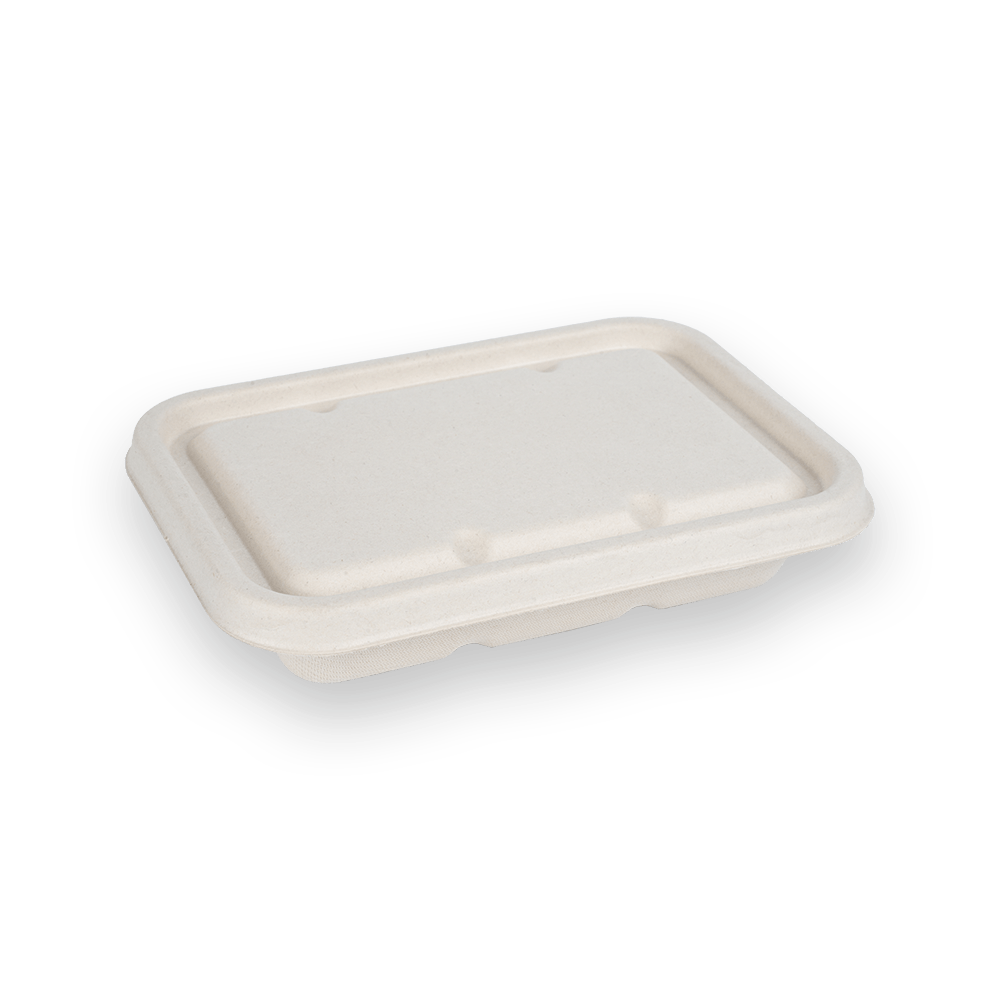

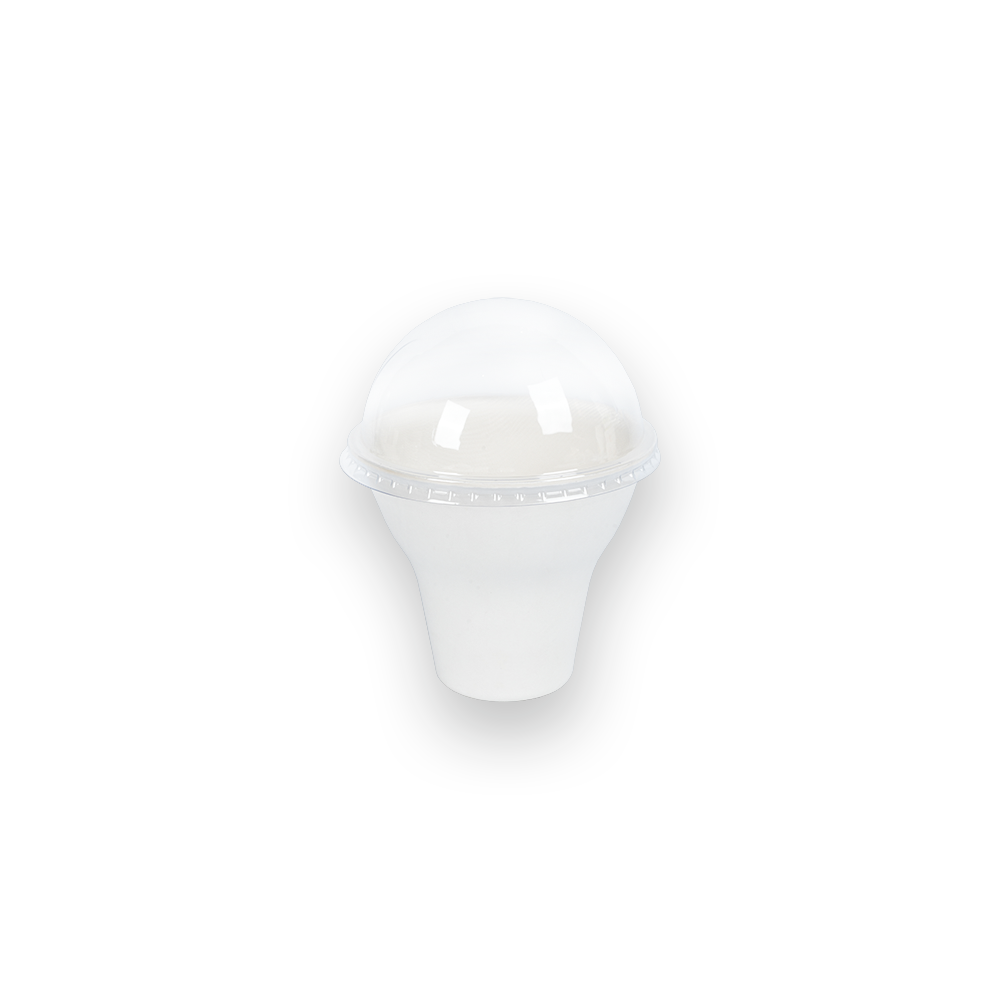
Zhong Xin Ecoware(Thailand) was registered on November 1, 2023, and officially began construction of the factory building in June 2024. At present, the first phase workshop of the factory has been fully completed and put into use. The second phase of the factory is being constructed intensively.
The landing and development of Zhong Xin in Thailand has brought a large amount of initial investment for land, factories, etc., and continuous operational investment for continuous equipment updates, technological upgrades, and capacity expansion.
Zhong Xin Ecoware(Thailand) has directly and indirectly created thousands of job opportunities, increased government revenue, promoted local economic development, cultivated local supply chains, provided systematic training for employees, improved the quality of local human capital, injected vitality into the local economy, enhanced industrial competitiveness, and ultimately improved residents' living standards.
Zhong Xin Ecoware(Thailand) actively collaborates with local pulp mills to explore new cooperation models for developing new products, improving production capacity and quality. At the same time, relying on Zhongxin's advanced production technology, process flow, management experience, and quality control system, it promotes the development of this industry in Thailand.
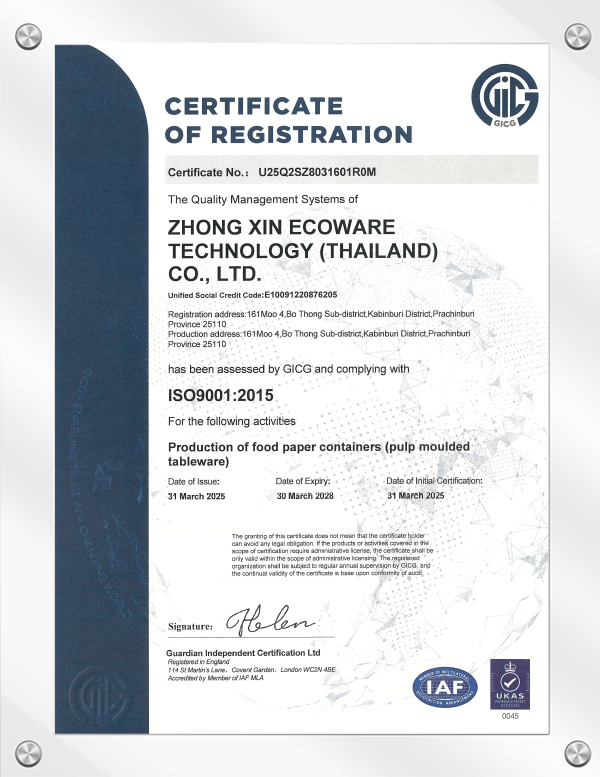
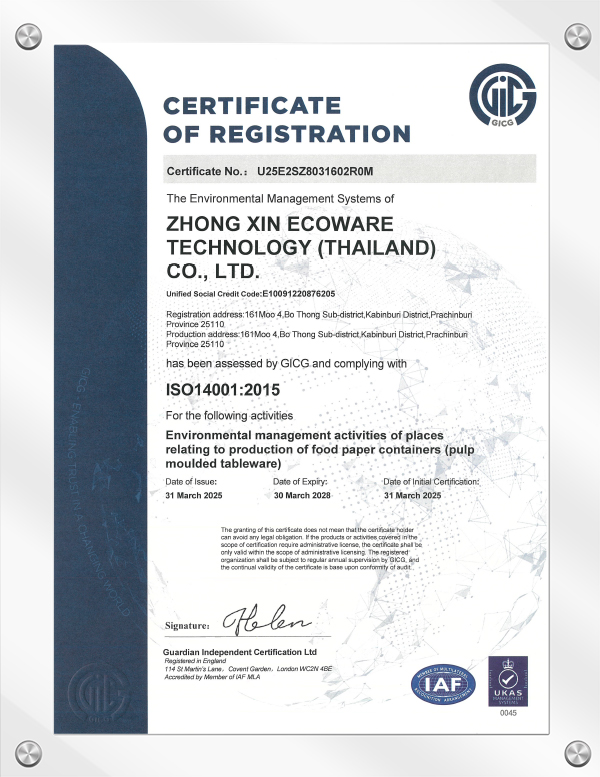

-
-
 +66-31240888
 -
 161 Village No. 4, Bo Thong Subdistrict Kabin Buri District Prachinburi Province 25110
-
How to Find Zhong Xin at the 140th Canton Fair: A Visitor Navigation Guide
Oct 16,2026
-
Thailand vs China Bagasse Tableware: 8 Comparisons Buyers Should Verify
Oct 16,2026
-
Will Takeout Containers Fit Your Existing Lids and Delivery Workflow
Oct 16,2026
-
What Is Bagasse Tableware? A 2026 Buyer Guide to Material, Performance and Documents
Oct 13,2026
-
Bagasse Tray Wholesale: How Bulk Buyers Cut Cost with Carton and Container Planning
Oct 09,2026
-
What Should a Bagasse Manufacturer Include in a Bulk Order Quote
Oct 09,2026
-
FOB, CIF or DDP? Incoterms for Bagasse Tableware Buyers Shipping from Thailand
Oct 06,2026
-
Packaging or Food Contact? Which EU Regime Applies to Bagasse Cups, Bowls, Plates and Cutlery
Oct 06,2026
-
Compostable Cutlery Sets for Private Label: 7 Sourcing Checks for Retail and Foodservice Buyers
Oct 06,2026
-
US vs EU Bagasse Tableware Imports: 8 Documentation and Compliance Checks Buyers Should Run
Oct 06,2026
-
How to Prepare a Bagasse Tableware Import: 10 Readiness Checks for US and EU Buyers
Oct 06,2026
-
Beyond Plates: Which Foods Suit Bagasse Tableware
Oct 02,2026
Copyright © 2025 Zhong Xin Ecoware Technology ( Thailand ) CO., LTD.
All Rights Reserved.

Biodegradable Disposable Bagasse Tableware Manufacturer