-
 [email protected]
-
 +66-31240888



 English
 Español
 ไทย
ไทยDo Biodegradable Plates Contain Any Harmful Substances?
Do Biodegradable Plates Contain Any Harmful Substances?
Biodegradable plates factory have become increasingly popular as an environmentally friendly alternative to traditional disposable tableware. They are designed to break down naturally over time, reducing landfill waste and minimizing environmental pollution. However, a common concern among consumers is whether these plates contain any harmful substances, given the different materials used in their production.
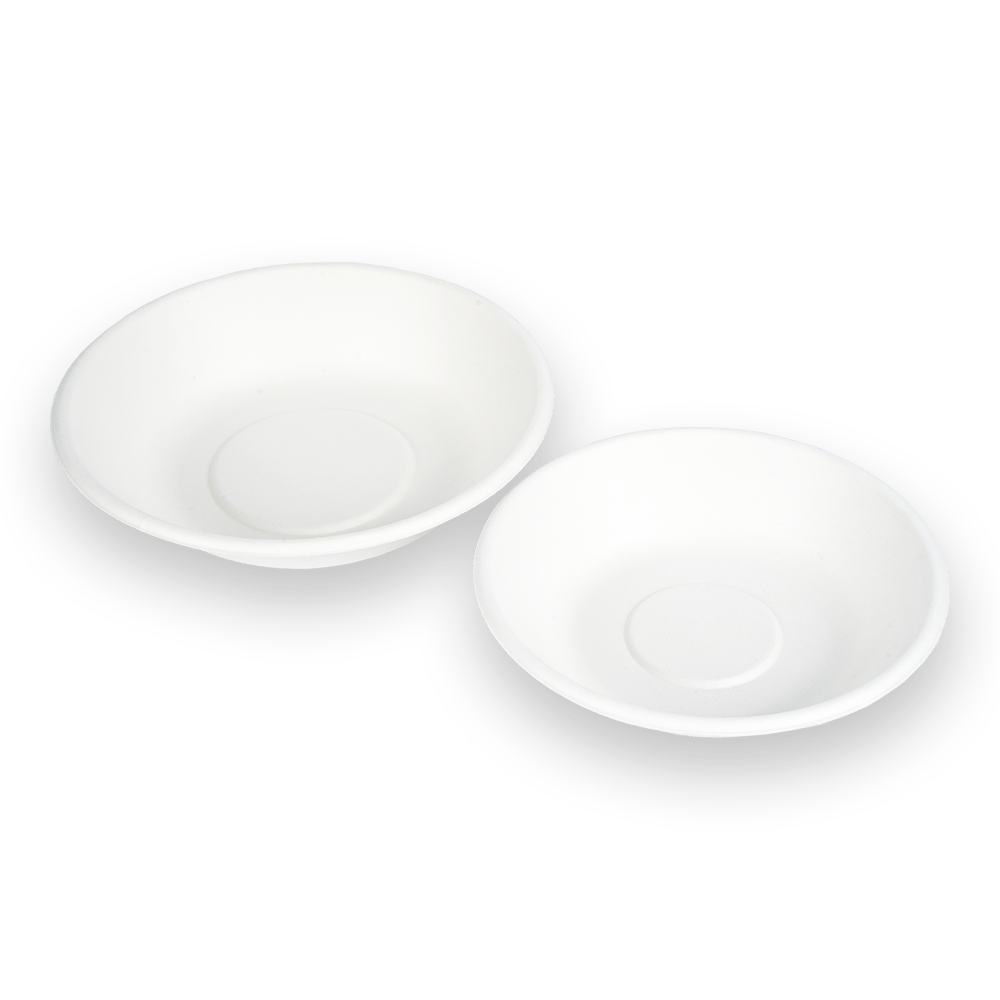
1. Material Composition of Biodegradable Plates
Biodegradable plates are typically made from plant-based materials such as sugarcane fibers (bagasse), bamboo, palm leaves, or cornstarch. These materials are naturally biodegradable and, when processed correctly, should not contain harmful substances like BPA (bisphenol A) or phthalates, which are commonly found in plastics.
1.1 Sugarcane Fibers (Bagasse)
Sugarcane-based plates are made from the fiber left over after extracting sugar from the plant. This fiber is not only compostable but also free from toxic chemicals. The process used to convert sugarcane into tableware usually does not involve bleaching agents or harmful chemicals, meaning these plates are safe for both the environment and human health.
1.2 Bamboo Plates
Bamboo is another common material used in biodegradable plates. Bamboo plates are often marketed as a sustainable choice, but there is one key factor to consider. In some cases, bamboo products can be treated with adhesives or resins that may contain formaldehyde, a chemical known to be harmful. However, high-quality bamboo plates from reputable brands typically do not contain harmful chemicals or adhesives, making them a safer option.
1.3 Palm Leaf Plates
Palm leaf plates are made from fallen leaves, usually from the Areca palm tree, and are entirely natural. These plates are minimally processed and do not require chemicals or additives to achieve their form. As a result, they are unlikely to contain harmful substances, making them a safer option for both health and the environment.
2. Coatings and Additives
One of the main concerns with biodegradable plates is the potential for coatings or additives used to improve strength, water resistance, or appearance. Some biodegradable plates may have a thin coating made from vegetable oils or plant-based polymers, such as PLA (polylactic acid). While PLA is considered safe, it may still require industrial composting facilities to break down completely.
2.1 Potential for Harmful Additives
The real issue arises when biodegradable plates are treated with coatings or additives that are not entirely plant-based. In some cases, manufacturers may use synthetic resins or plastic coatings to make the plates more durable. If these plates are not labeled as biodegradable or compostable, they could contain harmful substances that will not decompose and may pose environmental and health risks.
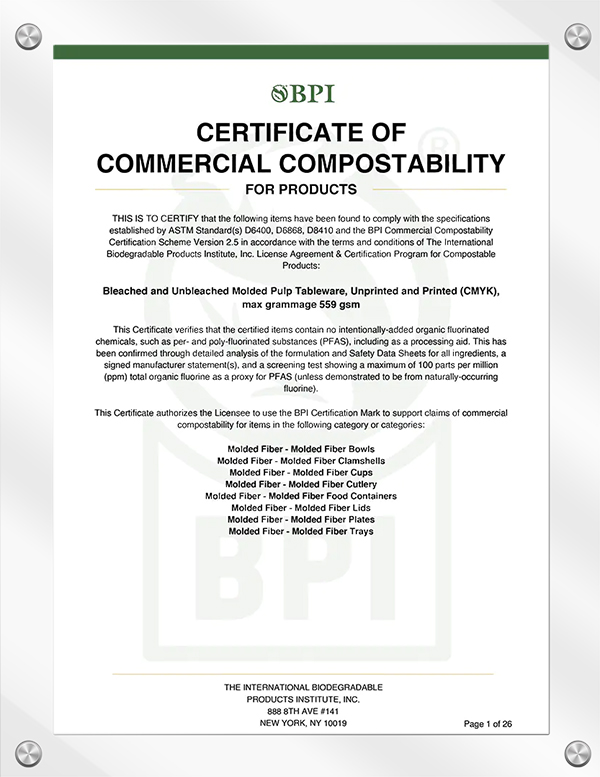
Many biodegradable plates made from natural plant fibers such as sugarcane, bamboo, and palm leaves are free from harmful chemicals and substances. However, it is essential to be cautious of coatings or additives that may be used to enhance the plates' durability or water resistance. Consumers should look for certified biodegradable or compostable labels and purchase from reputable brands to ensure they are getting products free from harmful substances.
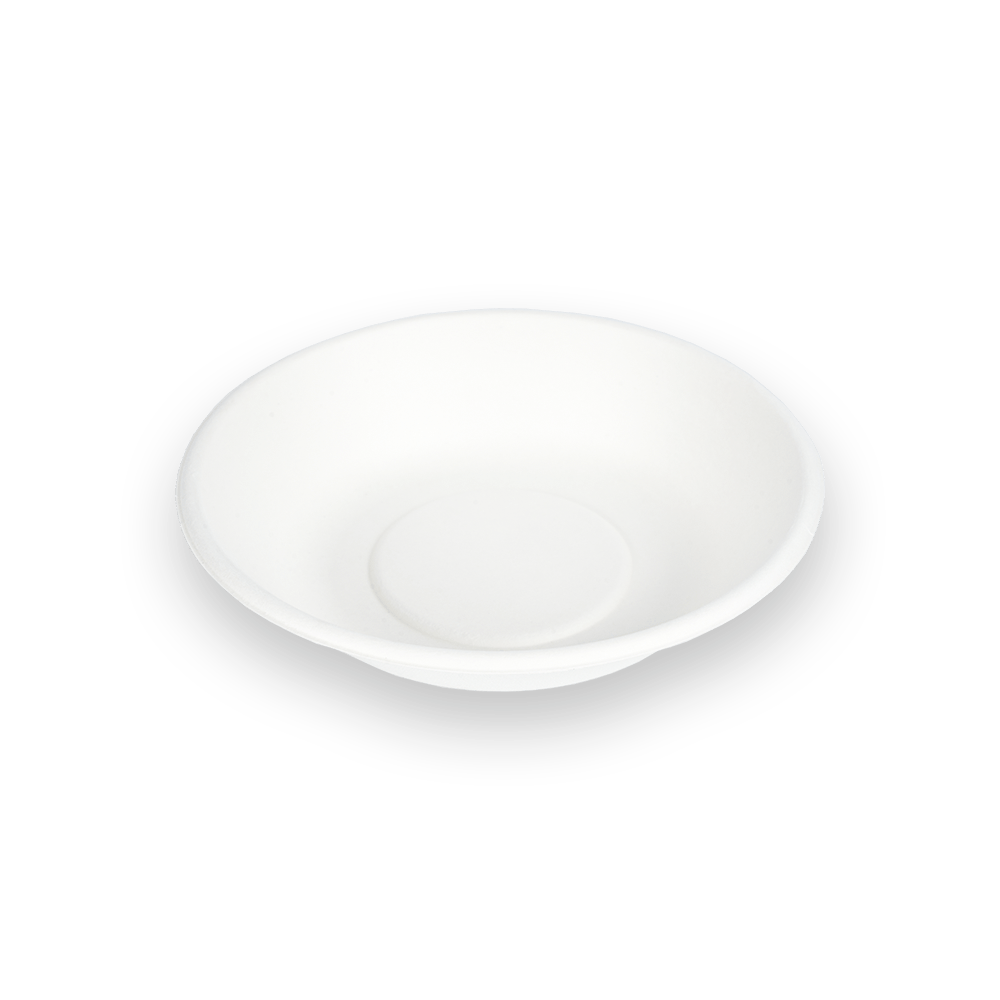
Is Compostable Eco-Friendly Tableware Suitable for Microwave Use?
When it comes to choosing eco-friendly tableware, compostable plates are a popular option for those seeking sustainability. These plates are made from materials like sugarcane, bamboo, and cornstarch, designed to break down in composting environments. However, a question often arises about their suitability for microwave use. Is compostable eco-friendly tableware safe to use in the microwave? Let's explore this issue by breaking down the factors involved.
Material Considerations
Compostable tableware is generally made from organic materials like sugarcane fibers (bagasse), bamboo, palm leaves, and cornstarch. These materials can be quite sturdy, but their microwave compatibility depends on their specific properties and the manufacturing process.
Sugarcane Plates (Bagasse)
Sugarcane plates are relatively sturdy, and many manufacturers claim that they are microwave-safe. However, the performance of sugarcane plates in the microwave may vary based on the thickness and coating. Some sugarcane plates have a wax-like coating to enhance water resistance, which could potentially melt or soften under high heat. When using sugarcane plates in the microwave, it's important to ensure that they are uncoated or only lightly coated with a food-safe coating.
Bamboo Plates
Bamboo plates, while durable and aesthetically appealing, may not always be microwave-safe. Bamboo is a natural material that can be quite heat-resistant, but it may not perform well under intense microwave heat. Excessive heat could cause bamboo plates to warp or crack. To ensure they're microwave-safe, check the manufacturer's guidelines or opt for bamboo tableware that is specifically labeled for microwave use.
Palm Leaf Plates
Palm leaf plates are made from natural palm tree leaves and typically have a lightweight and sturdy structure. They are often touted as microwave-safe because they can withstand moderate heat. However, their performance may vary depending on the plate's thickness and processing method. These plates are better used for short microwave sessions or to heat food at low to medium temperatures to avoid any structural issues.
Cornstarch Plates
Cornstarch-based plates are made from biodegradable plastics, which can handle mild heat in the microwave. These plates are microwave-safe for short bursts of heating, but they can soften or warp under prolonged exposure to high temperatures. It's better to use cornstarch plates in the microwave for reheating food, rather than cooking it.
The Coating Factor
In addition to the base material, many compostable plates are coated with a thin layer of vegetable oils or PLA (polylactic acid) to provide additional durability and moisture resistance. However, these coatings could affect how the plates perform in the microwave. PLA-coated plates, in particular, may melt or deform under high microwave heat, especially at higher power settings. To prevent this, always check the label for microwave safety instructions and avoid using coated plates in the microwave unless they are specifically labeled as microwave-safe.
Are They Safe for Microwave Use?
Compostable eco-friendly tableware made from materials like sugarcane, bamboo, palm leaves, and cornstarch can generally be used in the microwave with some precautions. It is important to:
- Check for coatings: Plates with coatings or resins may not perform well in the microwave.
- Use moderate heat: Avoid using high microwave settings, especially for longer durations.
- Follow manufacturer guidelines: Always check the packaging or product details to confirm if the tableware is microwave-safe.
By following these simple guidelines, compostable eco-friendly tableware can be safely used in the microwave for reheating food without compromising their environmental benefits.
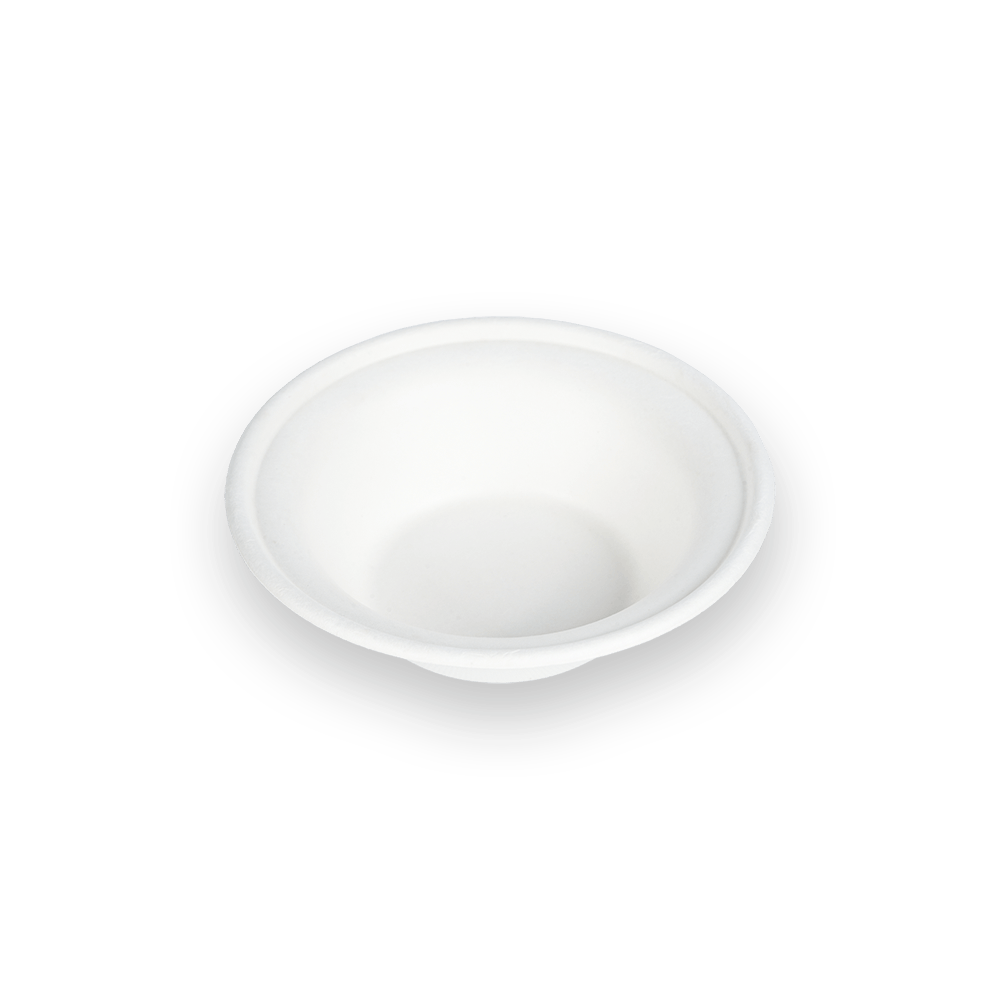
Are Biodegradable Plates Suitable for Storage in Humid Environments?
Biodegradable plates are often considered a more sustainable alternative to traditional plastic or foam plates, as they break down naturally in composting environments. They are made from a variety of natural materials, including sugarcane (bagasse), bamboo, palm leaves, and cornstarch. While biodegradable plates are designed to be eco-friendly, an important question arises: are these plates suitable for storage in humid environments? Let's explore this issue in detail.
Understanding the Effects of Humidity on Biodegradable Plates
The main challenge when storing biodegradable plates in humid environments is the inherent property of the materials used in their construction. Humidity can affect the structural integrity of biodegradable plates, as the moisture in the air can weaken their composition over time. Let's look at how different materials react to humidity.
Sugarcane (Bagasse) Plates
Sugarcane plates are relatively durable, but they can begin to absorb moisture in a humid environment. The fibers used in sugarcane plates are porous, which means they can absorb water when exposed to high humidity. This can cause the plates to soften, lose their rigidity, and become more prone to breakage. Therefore, sugarcane plates are not ideal for long-term storage in humid conditions. However, if they are stored in a cool, dry place, they can maintain their strength and usability for an extended period.
Bamboo Plates
Bamboo plates are made from compressed bamboo fibers and are known for their sturdiness. However, bamboo can absorb moisture in humid environments, leading to warping, bending, or cracking over time. If bamboo plates are stored in a high-humidity environment without proper ventilation, they may lose their structural integrity. To ensure the longevity of bamboo plates, they should be stored in dry, cool areas with proper airflow.
Palm Leaf Plates
Palm leaf plates are generally more resistant to moisture compared to sugarcane and bamboo plates. Since they are made from natural palm tree leaves, they are less likely to absorb moisture quickly. However, excessive humidity can still affect their performance, leading to a slight softening of the material. While they can tolerate short-term exposure to humid environments, long-term storage in damp conditions should be avoided to prevent damage.
Cornstarch Plates
Cornstarch-based plates are made from biodegradable plastics and have a more plastic-like consistency than other plant-based plates. While they may be more resistant to moisture than sugarcane or bamboo plates, they can still degrade if stored in a very humid environment. These plates are better stored in dry, cool places to maintain their structural integrity.
Tips for Storing Biodegradable Plates in Humid Environments
To ensure that biodegradable plates last longer, proper storage is key. Here are some tips for storing them in humid environments:
Use airtight containers: If you must store biodegradable plates in a humid environment, keep them in airtight containers to prevent moisture from reaching the plates.
Store in dry areas: Always aim to store biodegradable plates in cool, dry spaces with proper ventilation.
Avoid direct contact with moisture: If possible, avoid storing biodegradable plates in areas where they will come into direct contact with water or high humidity.
Biodegradable plates made from materials like sugarcane, bamboo, palm leaves, and cornstarch are not ideal for long-term storage in humid environments. Humidity can weaken their structure, leading to softening, warping, or cracking. Proper storage in dry, well-ventilated areas is essential to maintaining their durability and performance.
While biodegradable plates are a great eco-friendly alternative, careful consideration is needed when it comes to their use in different environments, including the microwave and humid storage areas. Understanding how these plates react to heat, moisture, and humidity will help you make better decisions regarding their usage and storage, ensuring their effectiveness without compromising their sustainability benefits.
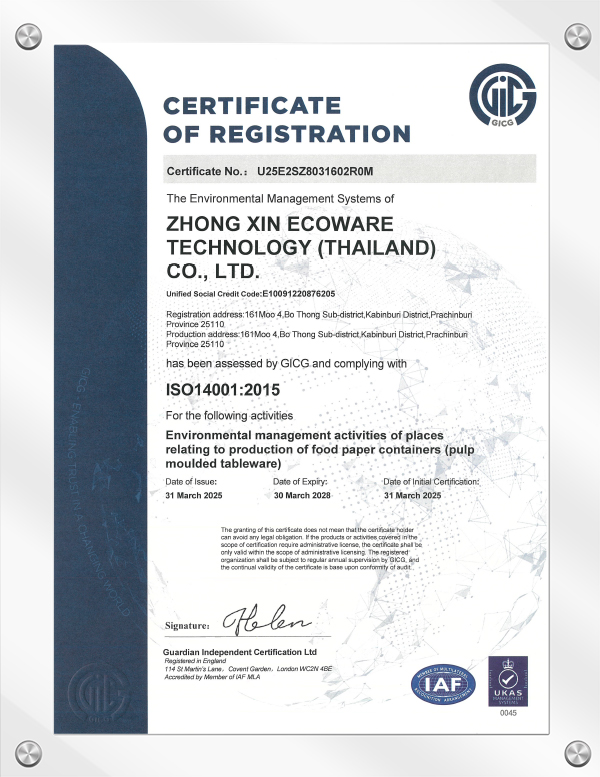
Zhong Xin Ecoware Technology (Thailand) Co., Ltd. supplies bagasse and molded fiber food packaging to importers, distributors and foodservice brands. For MOQ, pricing, samples and lead time, email info@fiber-product.com or use the contact form.
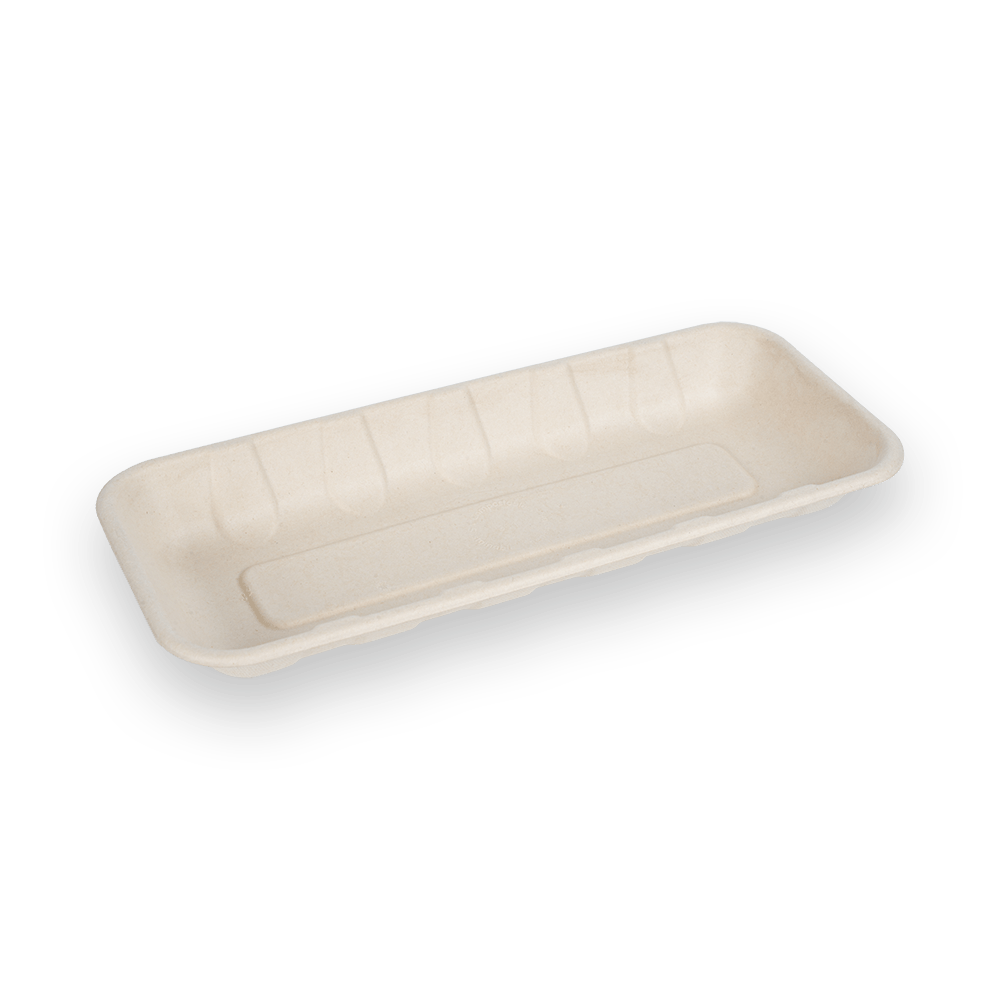
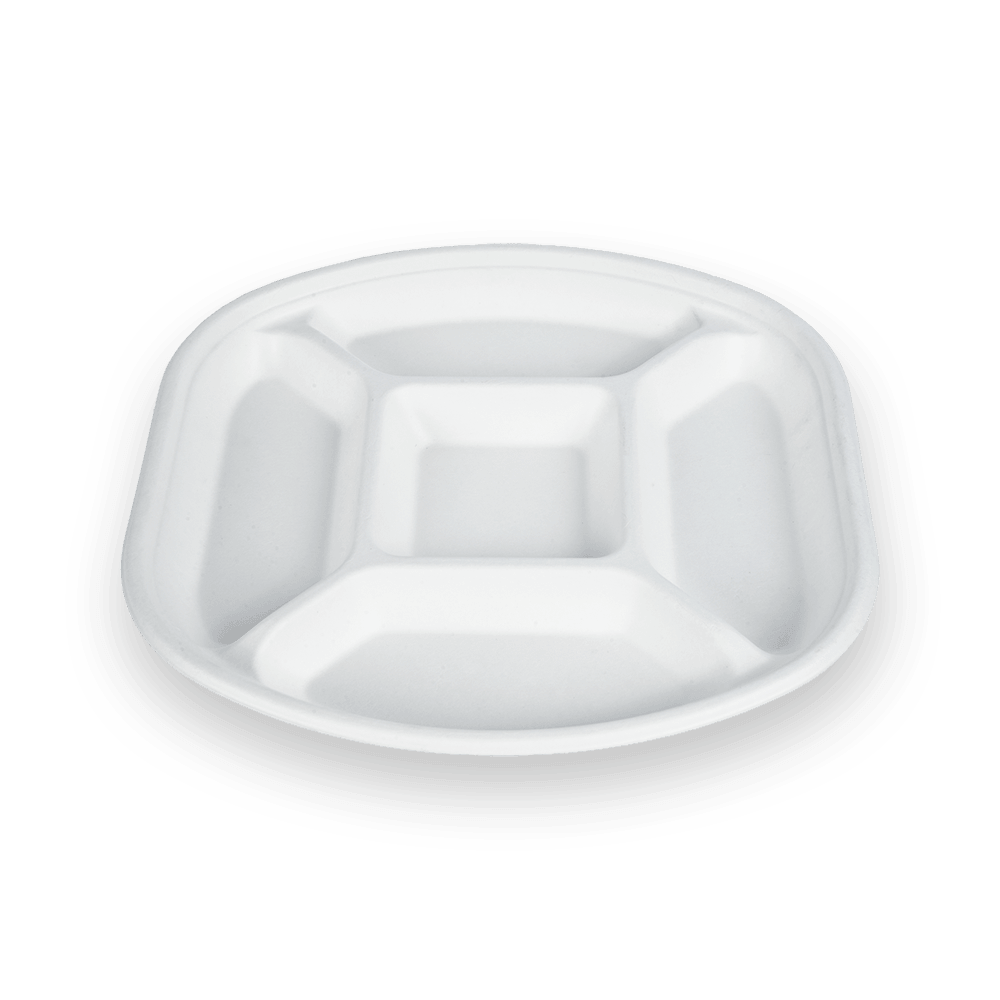

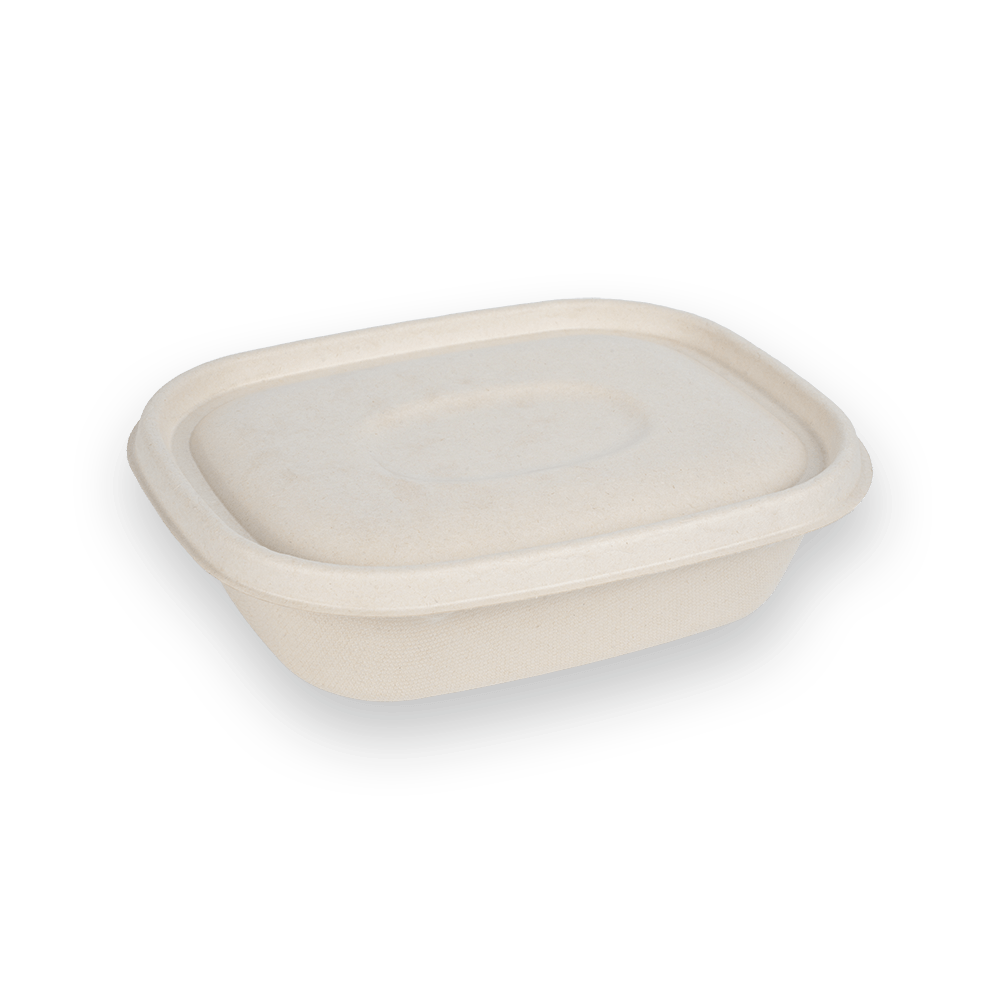
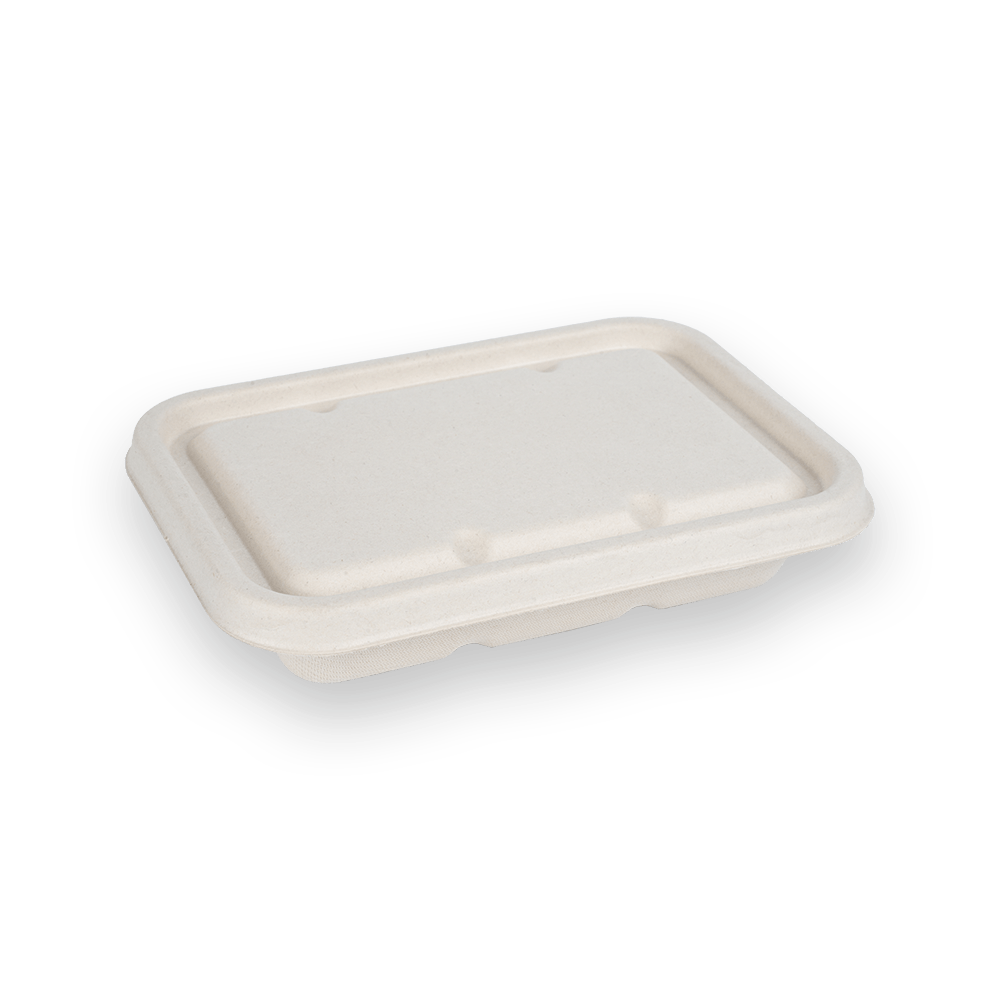

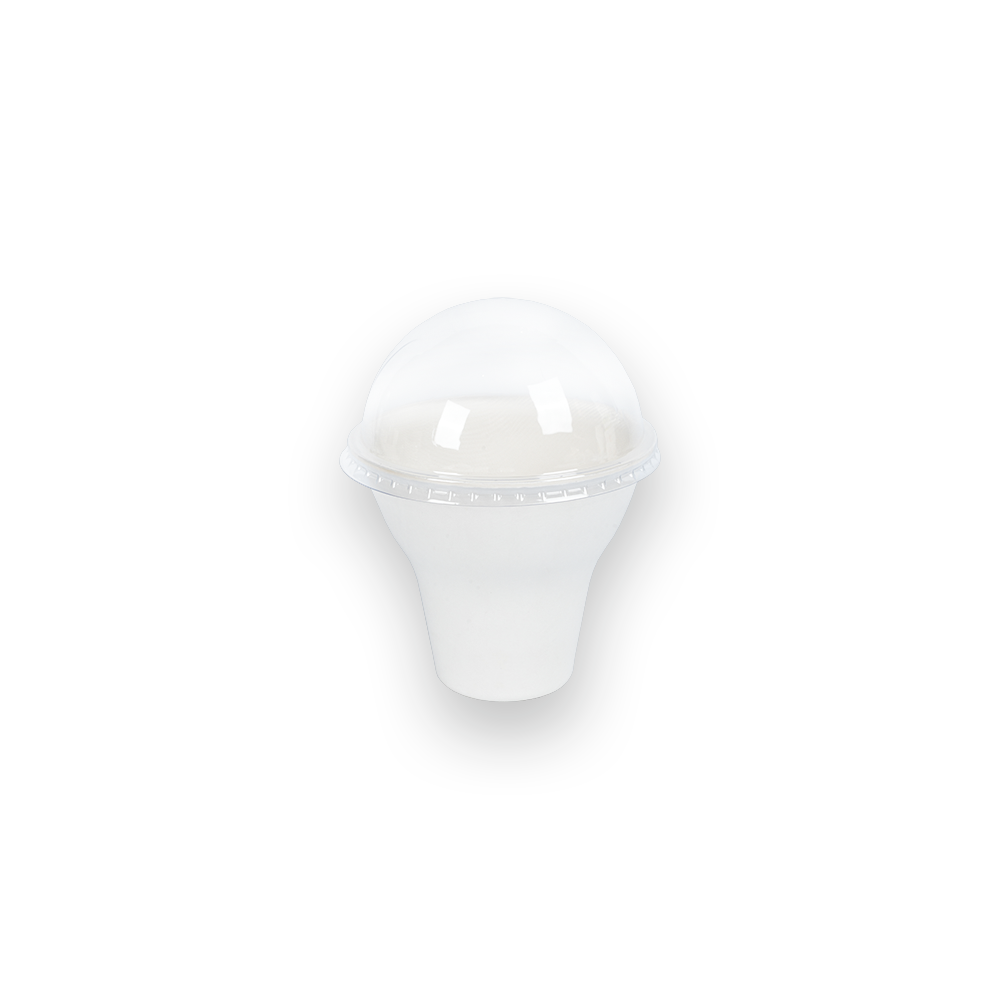
Zhong Xin Ecoware(Thailand) was registered on November 1, 2023, and officially began construction of the factory building in June 2024. At present, the first phase workshop of the factory has been fully completed and put into use. The second phase of the factory is being constructed intensively.
The landing and development of Zhong Xin in Thailand has brought a large amount of initial investment for land, factories, etc., and continuous operational investment for continuous equipment updates, technological upgrades, and capacity expansion.
Zhong Xin Ecoware(Thailand) has directly and indirectly created thousands of job opportunities, increased government revenue, promoted local economic development, cultivated local supply chains, provided systematic training for employees, improved the quality of local human capital, injected vitality into the local economy, enhanced industrial competitiveness, and ultimately improved residents' living standards.
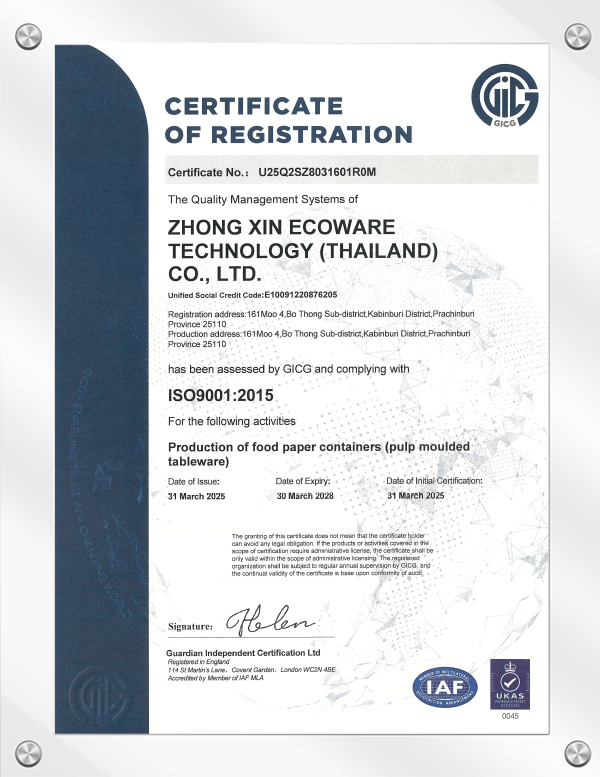
Zhong Xin Ecoware(Thailand) actively collaborates with local pulp mills to explore new cooperation models for developing new products, improving production capacity and quality. At the same time, relying on Zhongxin's advanced production technology, process flow, management experience, and quality control system, it promotes the development of this industry in Thailand.

-
-
 +66-31240888
 -
 161 Village No. 4, Bo Thong Subdistrict Kabin Buri District Prachinburi Province 25110
-
How to Find Zhong Xin at the 140th Canton Fair: A Visitor Navigation Guide
Oct 16,2026
-
Thailand vs China Bagasse Tableware: 8 Comparisons Buyers Should Verify
Oct 16,2026
-
Will Takeout Containers Fit Your Existing Lids and Delivery Workflow
Oct 16,2026
-
What Is Bagasse Tableware? A 2026 Buyer Guide to Material, Performance and Documents
Oct 13,2026
-
Bagasse Tray Wholesale: How Bulk Buyers Cut Cost with Carton and Container Planning
Oct 09,2026
-
What Should a Bagasse Manufacturer Include in a Bulk Order Quote
Oct 09,2026
-
FOB, CIF or DDP? Incoterms for Bagasse Tableware Buyers Shipping from Thailand
Oct 06,2026
-
Packaging or Food Contact? Which EU Regime Applies to Bagasse Cups, Bowls, Plates and Cutlery
Oct 06,2026
-
Compostable Cutlery Sets for Private Label: 7 Sourcing Checks for Retail and Foodservice Buyers
Oct 06,2026
-
US vs EU Bagasse Tableware Imports: 8 Documentation and Compliance Checks Buyers Should Run
Oct 06,2026
-
How to Prepare a Bagasse Tableware Import: 10 Readiness Checks for US and EU Buyers
Oct 06,2026
-
Beyond Plates: Which Foods Suit Bagasse Tableware
Oct 02,2026
Copyright © 2025 Zhong Xin Ecoware Technology ( Thailand ) CO., LTD.
All Rights Reserved.

Biodegradable Disposable Bagasse Tableware Manufacturer