-
 [email protected]
-
 +66-31240888



 English
 Español
 ไทย
ไทยA Practical Look at Disposable Paper Plates
A Practical Look at Disposable Paper Plates
In an era where convenience often dictates choice, disposable paper plates have become a staple in homes, at events, and increasingly, in commercial settings. Their appeal is clear: they eliminate washing up, reduce cross-contamination risks, and simplify cleanup. However, as environmental awareness grows and operational needs become more complex, questions about their practicality, safety, and sustainability are paramount.
When considering disposable paper plates, a few recurring questions arise that influence purchasing and usage decisions.
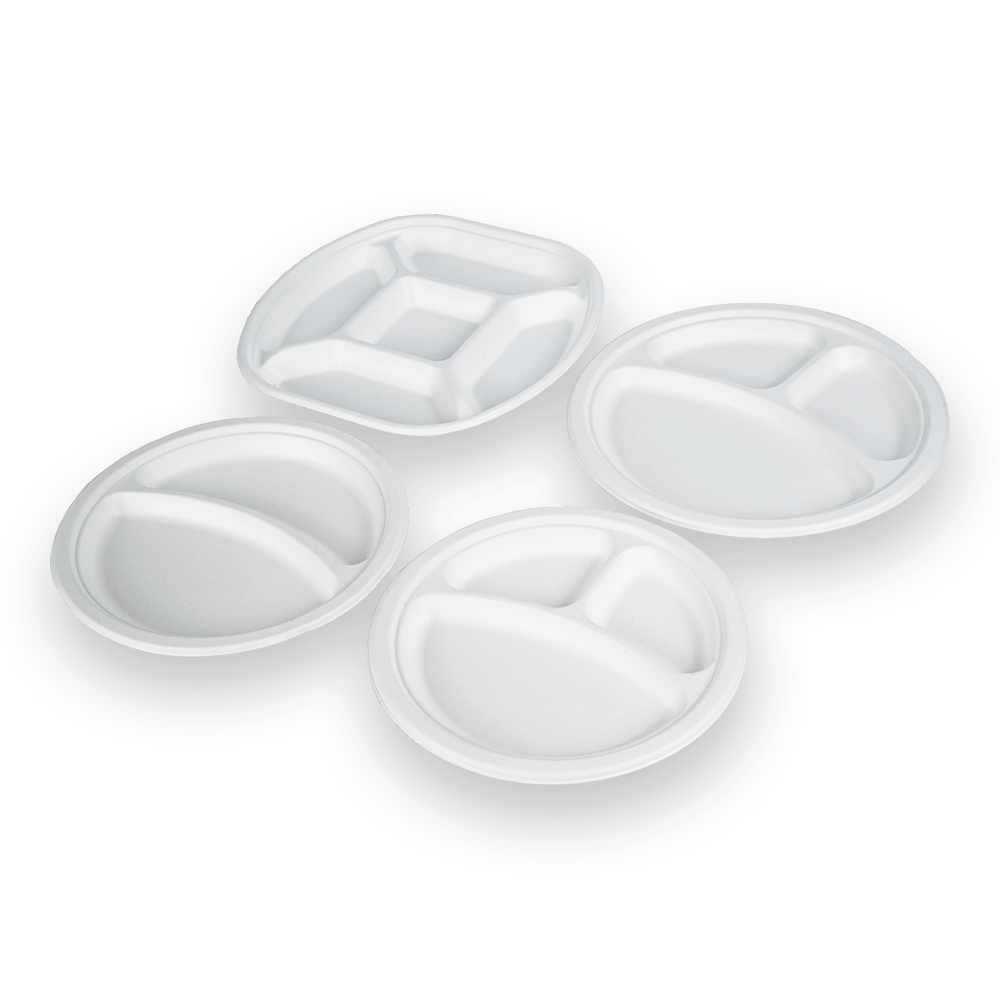
Disposable Paper Plates: A Convenient Solution for Meals on the Go
Disposable paper plates offer a practical solution for many occasions, from casual meals at home to outdoor picnics and large events. These plates are lightweight, affordable, and, importantly, easy to dispose of after use, making them an appealing option for individuals looking for a quick and convenient dining experience.
One of the key benefits of disposable paper plates is their convenience. They are designed to be single-use, which eliminates the need for washing dishes after a meal. This feature makes them ideal for parties, barbecues, and gatherings where people want to focus on enjoying the event rather than cleaning up afterward. Additionally, they are often available in a variety of sizes and designs, allowing them to suit different types of food and occasions.
Beyond convenience, disposable paper plates are a more eco-friendly alternative to plastic plates. Many manufacturers offer plates made from recycled paper or biodegradable materials, which help reduce the environmental impact compared to their plastic counterparts. As consumers become more environmentally conscious, the demand for sustainable disposable options like paper plates continues to grow.
While disposable paper plates are a great choice for casual dining, they can also be used in more formal settings. Plates with decorative designs and sturdy construction can hold a variety of foods, from salads to main courses, without the risk of sogginess or breakage.

What are the main types of disposable paper plates, and how do they differ?
Not all paper plates are created equal. The basic are plain paper plates, which are affordable but have little to no resistance to moisture or grease, making them suitable only for very dry foods like cookies or sandwiches. The common variety is the coated paper plate, which features a thin plastic or bioplastic lining (often polyethylene or PLA). This coating provides essential resistance to soggy, greasy, or moist foods, preventing plate failure. A third category is molded fiber plates, typically made from bagasse (sugarcane pulp) or recycled paper. These are often sturdier, have a natural aesthetic, and many are designed to be compostable in commercial facilities, though they may still have a light coating for functionality.
Are disposable paper plates truly recyclable or compostable?
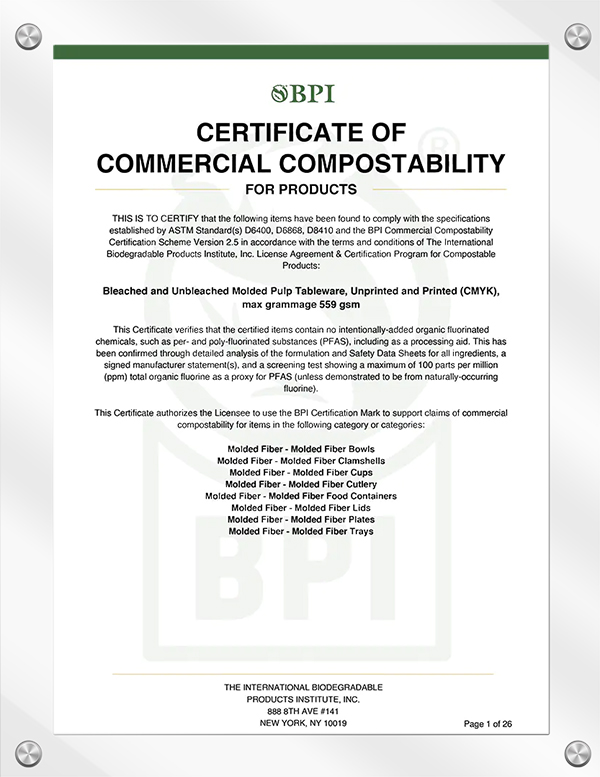
This is a significant source of confusion. Standard plastic-coated paper plates are not recyclable in municipal recycling programs. The fusion of paper and plastic makes them difficult and costly to separate and process; they typically contaminate recycling streams and belong in general waste. Conversely, plates labeled as "compostable" must meet specific certification standards (like BPI or OK Compost). These can break down in industrial composting facilities but will not decompose efficiently in a backyard compost pile or landfill. It is crucial to read labels carefully and understand the local waste management infrastructure; a compostable plate thrown in general trash offers little environmental advantage over a conventional one.
Are Eco-Friendly Disposable Plates suitable for commercial use?
The suitability for commercial use depends on aligning product capabilities with business needs. Key considerations include:
- Cost vs. Consumer Perception: Often higher cost per unit than conventional plates, but can enhance brand image as sustainable.
- Performance Under Load: Must withstand hot, greasy, and moist foods without failure during service.
- Supply Chain & Certification: Requires reliable access and proper certifications (e.g., BPI) to substantiate claims.
- End-of-Life Logistics: Only viable if a commercial composting stream is accessible to the business and customer.
Are Disposable Paper Plates suitable for storing acidic foods? Why?
The suitability of disposable paper plates for storing acidic foods—such as tomato-based sauces, citrus fruits, vinaigrette-laden salads, or certain fruits—is limited and generally not recommended, primarily due to material integrity and potential chemical migration.
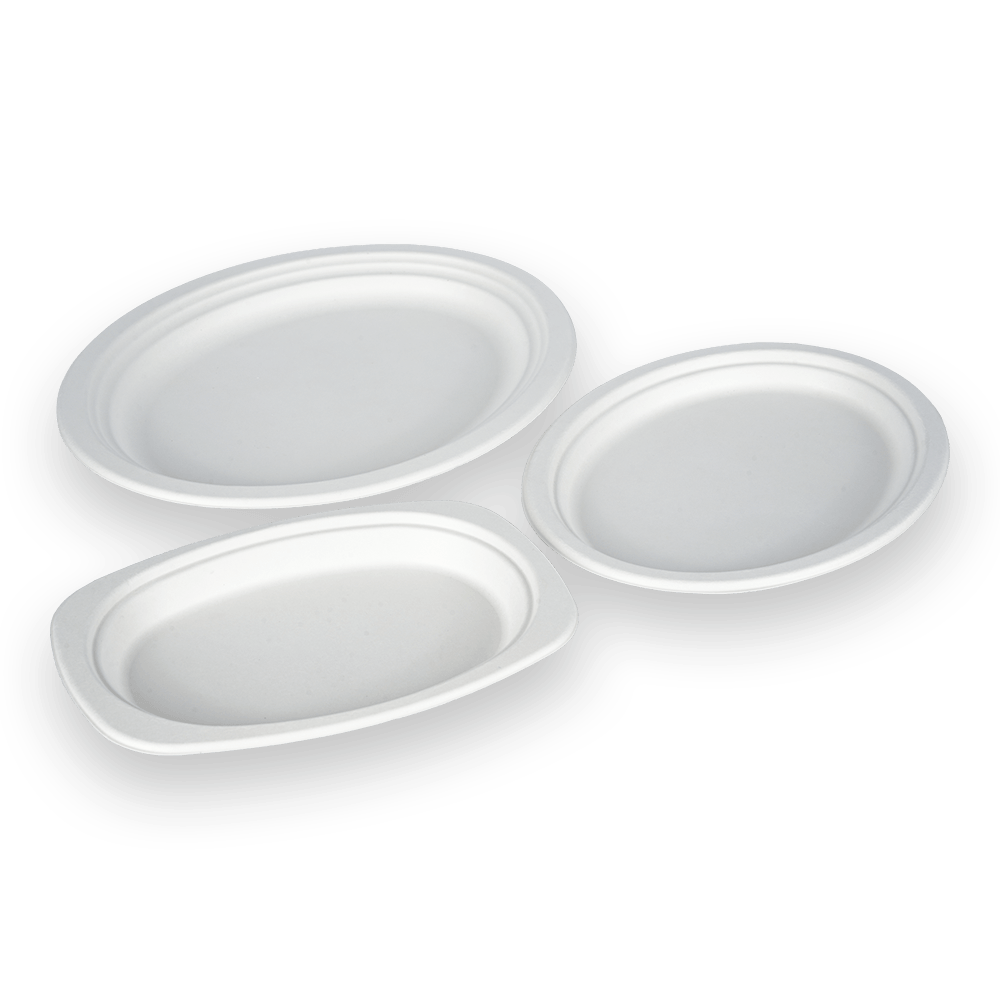
The core issue lies in the plate's construction. Many disposable paper plates rely on a paper base, which is inherently porous and susceptible to breakdown when exposed to moisture and acids. An acidic food can rapidly weaken the paper fibers, leading to a loss of structural integrity. This can cause the plate to become soggy, buckle, or even develop holes, resulting in leaks and spills long before a meal is finished. For coated plates, the acidic content can potentially compromise the adhesive or the coating itself, accelerating this failure.
Beyond mere sogginess, there is a secondary concern regarding the coatings and inks used. While generally considered safe for short-term serving, extended contact with acidic foods may increase the potential for substances from the coating or the ink of decorative designs to migrate into the food. Although the risk is typically low for certified, food-grade products, the chemical stability of these materials can be challenged by prolonged exposure to low-pH environments. This is particularly pertinent if one considers using a disposable plate to store leftovers in the refrigerator, where contact time is measured in hours, not minutes.
For these reasons, disposable paper plates are engineered as serving vessels, not storage containers. Their design prioritizes short-term functionality over prolonged resistance. For storing acidic foods, even for a short period in the fridge, materials like glass, ceramic, or approved food-safe plastics are far more appropriate. These materials provide a stable, non-reactive barrier that preserves food quality and safety. Using a disposable paper plate for such a purpose risks product failure, food waste, and potentially unnecessary chemical exposure, negating the convenience they are meant to provide.
Disposable paper plates occupy a specific niche in our consumption habits. They offer undeniable convenience for specific, short-term uses but come with clear limitations regarding recycling, composting, and material stability. For the eco-conscious consumer or business, understanding the differences between plate types, the reality of their end-of-life processing, and their functional boundaries—like avoiding storage of acidic foods—is essential. Making informed choices allows us to leverage their convenience where it makes sense, while opting for more durable, sustainable solutions where it matters most, fostering a more balanced and responsible approach to modern necessities.
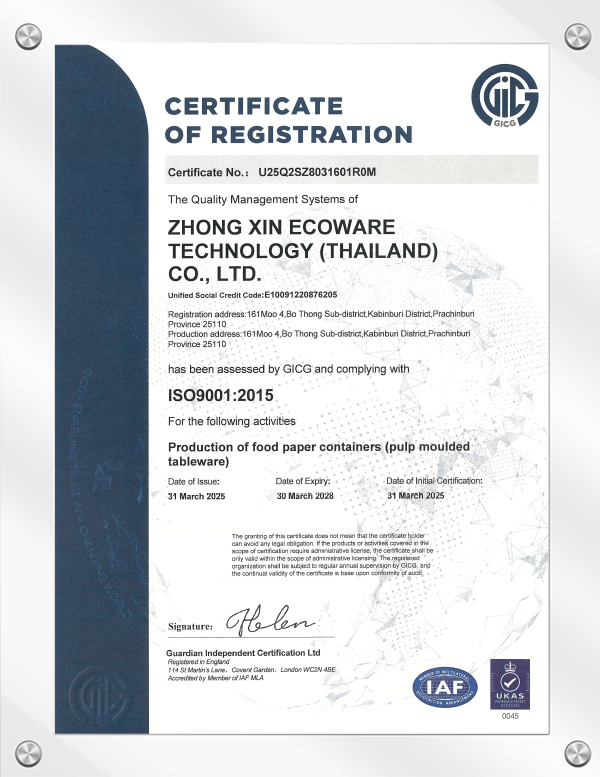
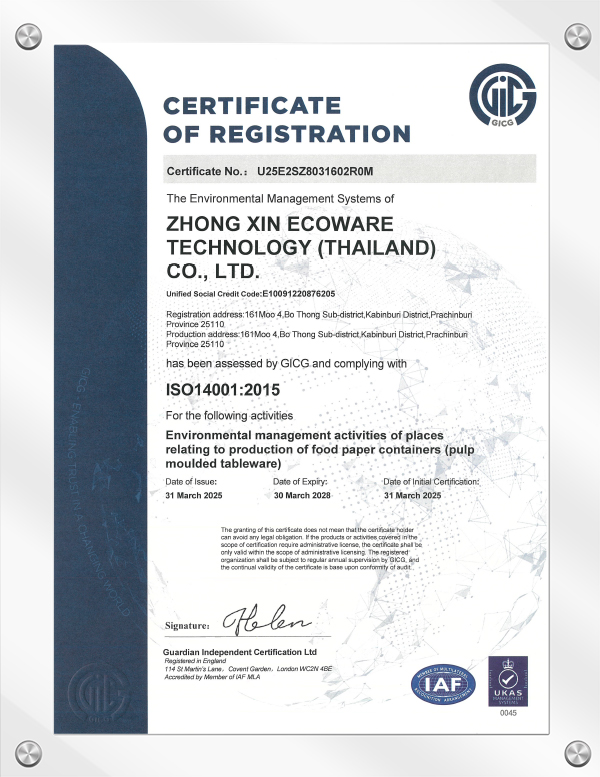
Zhong Xin Ecoware Technology (Thailand) Co., Ltd. supplies bagasse and molded fiber food packaging to importers, distributors and foodservice brands. For MOQ, pricing, samples and lead time, email [email protected] or use the contact form.
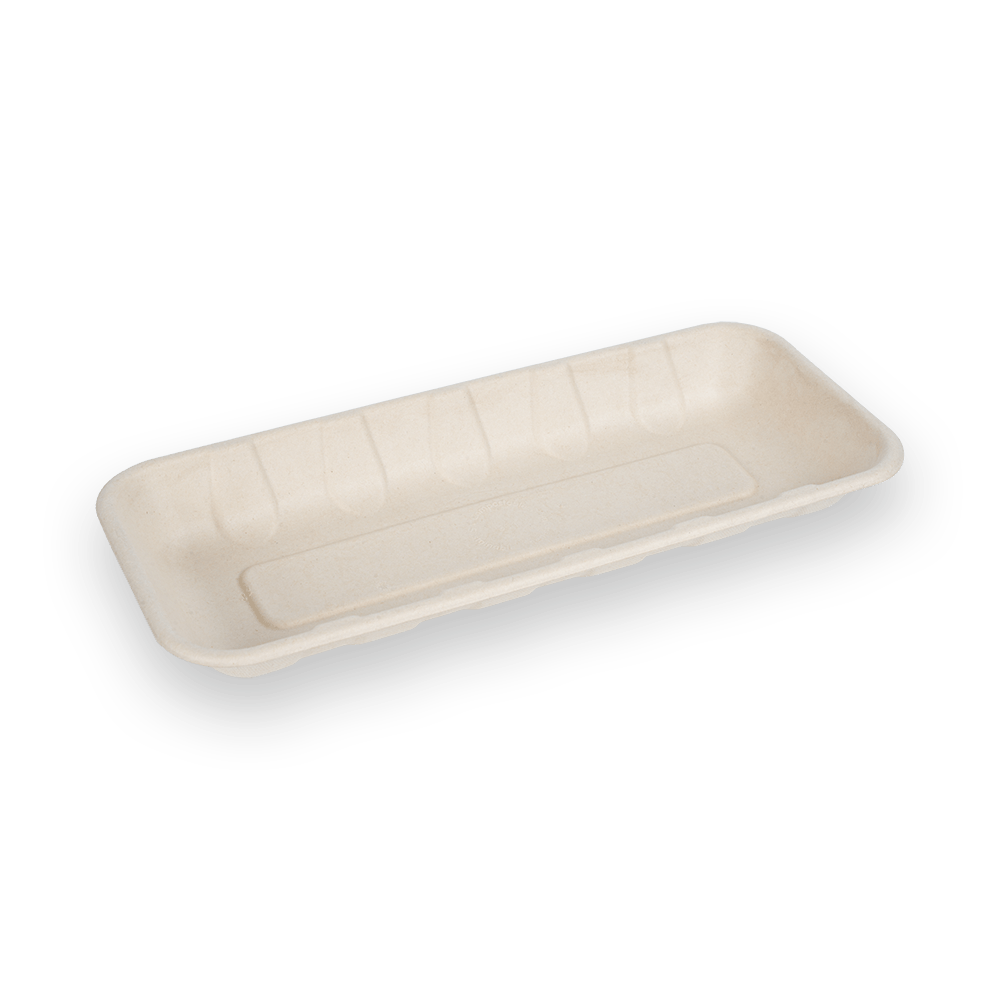


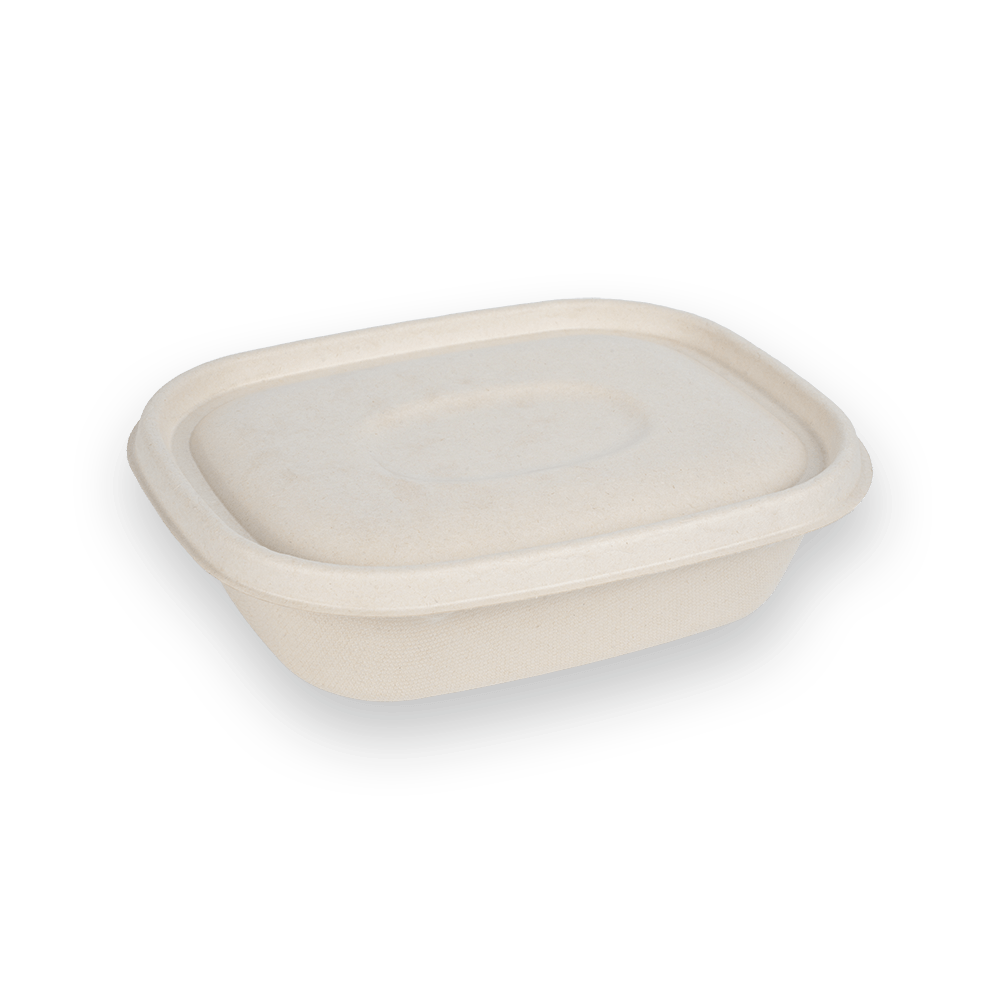
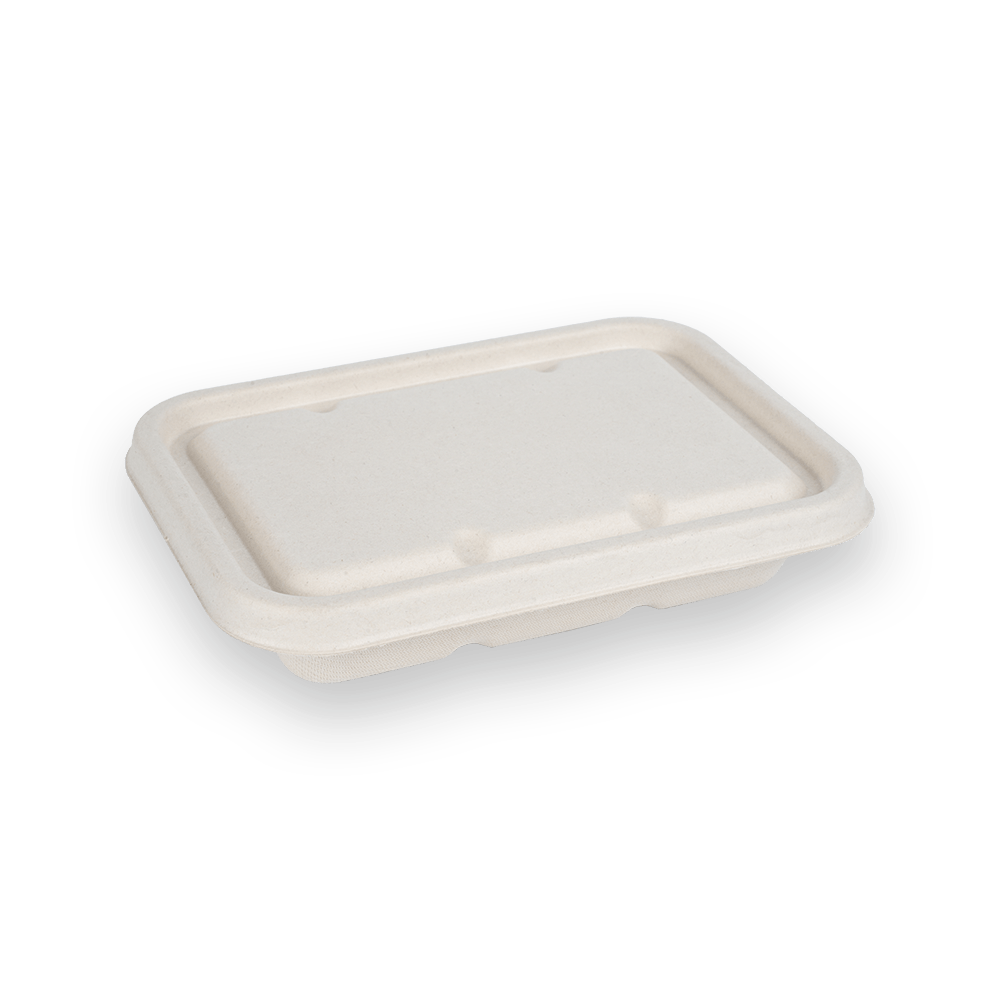

Zhong Xin Ecoware(Thailand) was registered on November 1, 2023, and officially began construction of the factory building in June 2024. At present, the first phase workshop of the factory has been fully completed and put into use. The second phase of the factory is being constructed intensively.
The landing and development of Zhong Xin in Thailand has brought a large amount of initial investment for land, factories, etc., and continuous operational investment for continuous equipment updates, technological upgrades, and capacity expansion.
Zhong Xin Ecoware(Thailand) has directly and indirectly created thousands of job opportunities, increased government revenue, promoted local economic development, cultivated local supply chains, provided systematic training for employees, improved the quality of local human capital, injected vitality into the local economy, enhanced industrial competitiveness, and ultimately improved residents' living standards.
Zhong Xin Ecoware(Thailand) actively collaborates with local pulp mills to explore new cooperation models for developing new products, improving production capacity and quality. At the same time, relying on Zhongxin's advanced production technology, process flow, management experience, and quality control system, it promotes the development of this industry in Thailand.

-
-
 +66-31240888
 -
 161 Village No. 4, Bo Thong Subdistrict Kabin Buri District Prachinburi Province 25110
-
How to Find Zhong Xin at the 140th Canton Fair: A Visitor Navigation Guide
Oct 16,2026
-
Thailand vs China Bagasse Tableware: 8 Comparisons Buyers Should Verify
Oct 16,2026
-
Will Takeout Containers Fit Your Existing Lids and Delivery Workflow
Oct 16,2026
-
What Is Bagasse Tableware? A 2026 Buyer Guide to Material, Performance and Documents
Oct 13,2026
-
Bagasse Tray Wholesale: How Bulk Buyers Cut Cost with Carton and Container Planning
Oct 09,2026
-
What Should a Bagasse Manufacturer Include in a Bulk Order Quote
Oct 09,2026
-
FOB, CIF or DDP? Incoterms for Bagasse Tableware Buyers Shipping from Thailand
Oct 06,2026
-
Packaging or Food Contact? Which EU Regime Applies to Bagasse Cups, Bowls, Plates and Cutlery
Oct 06,2026
-
Compostable Cutlery Sets for Private Label: 7 Sourcing Checks for Retail and Foodservice Buyers
Oct 06,2026
-
US vs EU Bagasse Tableware Imports: 8 Documentation and Compliance Checks Buyers Should Run
Oct 06,2026
-
How to Prepare a Bagasse Tableware Import: 10 Readiness Checks for US and EU Buyers
Oct 06,2026
-
Beyond Plates: Which Foods Suit Bagasse Tableware
Oct 02,2026
Copyright © 2025 Zhong Xin Ecoware Technology ( Thailand ) CO., LTD.
All Rights Reserved.

Biodegradable Disposable Bagasse Tableware Manufacturer