-
 [email protected]
-
 +66-31240888



 English
 Español
 ไทย
ไทยNavigating a World of Single-Use: A Balanced Look at Disposable Tableware
In our fast-paced, convenience-driven society, disposable tableware factory has become an ubiquitous part of daily life, from office lunches and family barbecues to childrens parties and park picnics. However, growing environmental awareness and health considerations have prompted a shift in the conversation, moving from uncritical acceptance to more nuanced scrutiny.
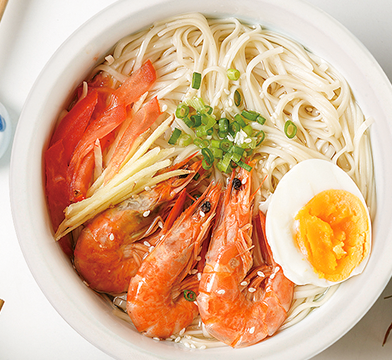
How long does it take for Compostable Tableware to decompose?
Compostable tableware is often presented as the environmentally preferable alternative to conventional plastic. However, the term "decompose" requires careful definition, as the process and timeframe are heavily dependent on specific conditions. It is crucial to distinguish between backyard composting and industrial-scale commercial composting facilities.
Under Ideal Industrial Conditions: Certified compostable products, typically made from materials like polylactic acid (PLA—derived from corn starch), bagasse (sugarcane fiber), or other plant-based materials, are designed to break down in a commercial composting facility. In these controlled environments, with precise, sustained levels of heat (often around 60°C), moisture, oxygen, and microbial activity, decomposition can occur relatively quickly. Under these conditions, certified compostable tableware can decompose within 90 to 180 days, turning into nutrient-rich compost.
In a Home Composting System: Many backyard compost bins do not reach or maintain the high temperatures of industrial facilities. In these cooler, less consistent environments, the decomposition process for compostable tableware slows significantly. Some sturdy products, like those made from thicker bagasse or certain PLA blends, may take several months to over a year to fully break down, and may not decompose completely, leaving fragments behind.
In Landfills or as Litter: If a compostable item is discarded in a landfill or as roadside litter, its environmental benefit is largely negated. Landfills are anaerobic (oxygen-deprived) environments, which stifle the decomposition process. Here, even compostable items may mummify rather than break down usefully, potentially persisting for years while releasing methane, a potent greenhouse gas, if they do decompose anaerobically. As litter, the decomposition time is unpredictable and lengthy, depending on weather and soil conditions.
The key takeaway is that compostable tableware is not a magic solution; its environmental promise is only realized when paired with a dedicated commercial composting collection system. Without proper end-of-life management, its advantages over traditional plastic are greatly diminished.
Is Disposable Tableware suitable for outdoor picnics?
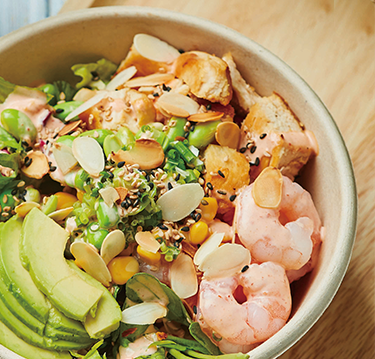
Disposable tableware holds undeniable appeal for outdoor picnics and gatherings, offering a level of convenience that is difficult to match with reusable alternatives. Its suitability, however, depends on balancing this convenience with environmental responsibility and the specific context of the outing.
The primary advantage is, of course, the elimination of cleanup. After a relaxing meal in the park, the ability to simply gather everything into a trash bag or recycling bin saves significant time and effort, allowing more time to enjoy the outdoors. This is particularly valuable for larger groups or impromptu outings where transporting a full set of plates, cutlery, and cups is impractical. Furthermore, disposable items are lightweight, reducing the weight of a picnic basket, and there is no concern about breakages, lost items, or the need to carry dirty ware home for washing.
However, this convenience comes with notable drawbacks. Wind is a common enemy at picnics, and lightweight plates and cups can easily become litter if not properly secured, contributing to environmental pollution. From an environmental standpoint, conventional plastic plates and cutlery can persist in nature for centuries if they escape waste streams. Even compostable options, if not disposed of in a proper composting bin, offer little benefit. There is also a tactile and aesthetic trade-off; disposable ware often feels less substantial and can compromise the sensory pleasure of a meal compared to reusable options.
For a more balanced approach, consider hybrid strategies. Using reusable core items (like a durable picnic set) supplemented with disposables for large groups, or committing to packing out all waste responsibly, can mitigate environmental impact. Ultimately, disposable tableware can be suitable for picnics if chosen thoughtfully—opting for recycled-content paper products or certified compostable items where facilities exist—and accompanied by a firm commitment to proper disposal and leaving no trace.
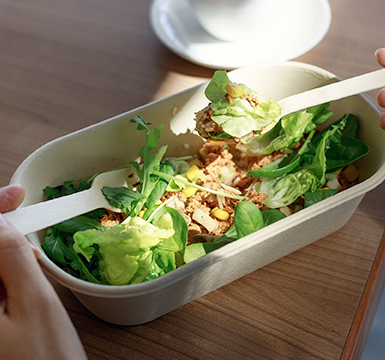
Is Disposable Tableware suitable for children?
Disposable tableware is a frequent guest at childrens birthday parties and school events. Its suitability for young users involves weighing practical benefits against potential health, developmental, and environmental concerns.
Reasons for its common use include:
- Safety and Convenience: Plastic or coated paper plates and cups are lightweight and shatterproof, eliminating the risk of broken china or glass causing cuts. For busy parents hosting a dozen energetic children, the post-party cleanup simplicity is a major relief.
- Hygiene: In group settings like daycare or large parties, disposable items offer a guaranteed sanitary option for each child without the need for washing, which can be reassuring for managing germs.
- Thematic and Motivational Appeal: Bright colors, popular character designs, and themed sets can make mealtime more fun and engaging for young children, potentially encouraging them to eat.
However, several reasons warrant caution:
Material Safety Concerns: Not all disposable plastics are created equal. Some may contain chemicals like BPA or phthalates, which have raised health concerns, particularly for developing children. While many products are now labeled "BPA-Free," it encourages a closer look at materials, with untreated paper or plant-based options generally being preferable.
- Heat Resistance Issues: Some disposable plastics can warp or melt when in contact with very hot food, potentially leaching chemicals or causing spills and burns. It is essential to check the products heat tolerance before use.
- Environmental Messaging: Regularly using disposable products normalizes a culture of single-use and waste for children. It represents a missed opportunity to teach them about sustainability, resource use, and the importance of reusing items.
- Durability and Practicality: Flimsy plates can bend or collapse under the weight of wet food (like spaghetti or chili), leading to messy accidents. Flexible plastic cutlery can also be difficult for small hands to use effectively.
While disposable tableware can be a practical tool for specific childrens events, it is suitable when used selectively and consciously. Opting for safer materials (like certified compostable bagasse or plain paper), ensuring it is fit for the type of food served, and balancing its use with everyday reusable ware can help make it a more responsible choice for young families.
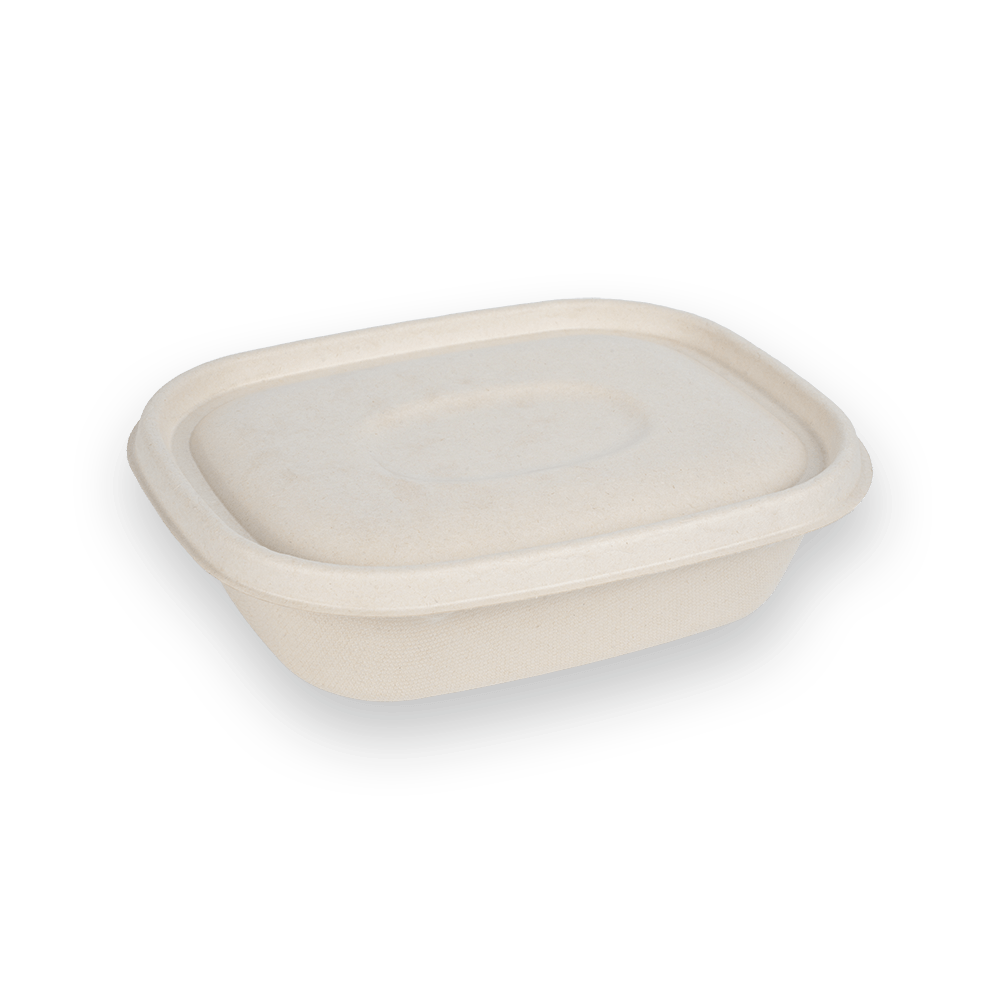
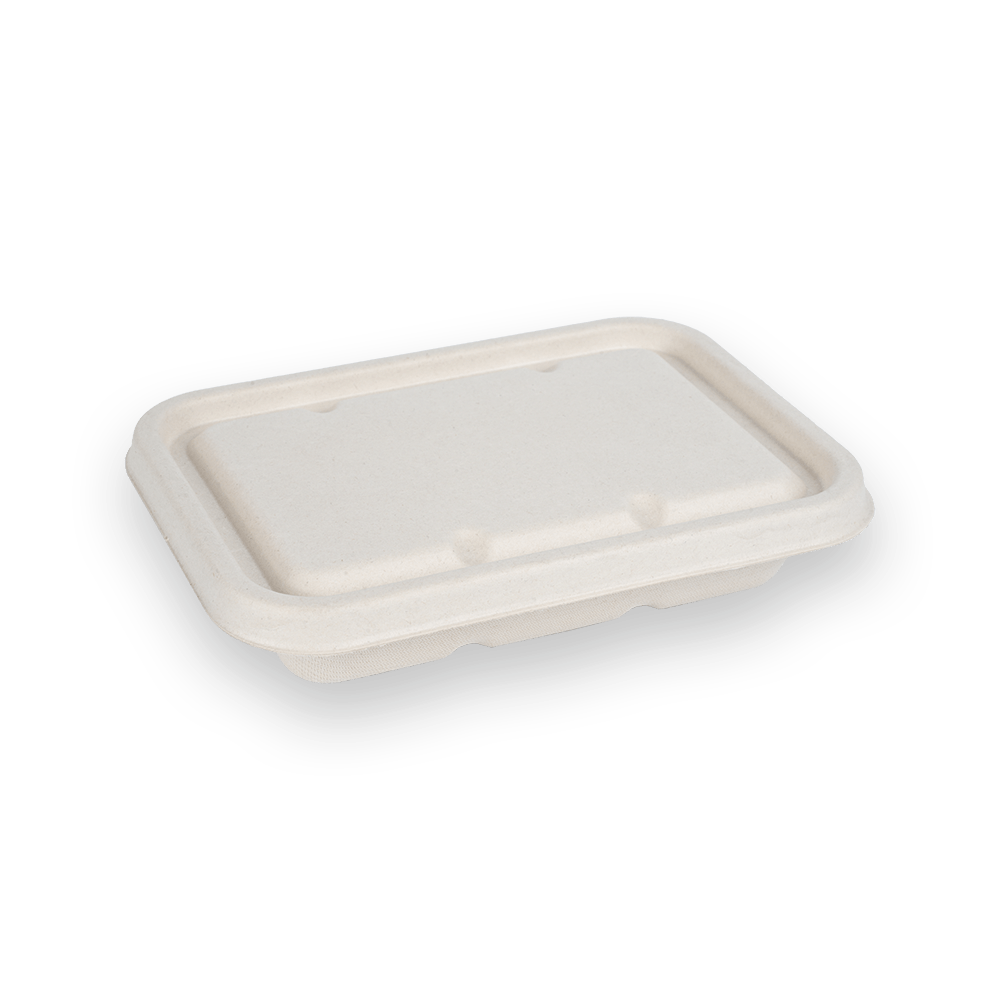
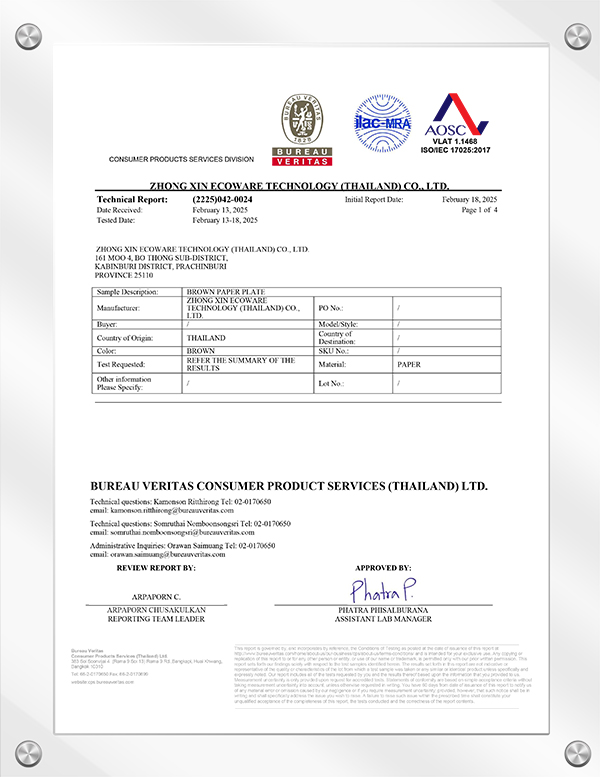
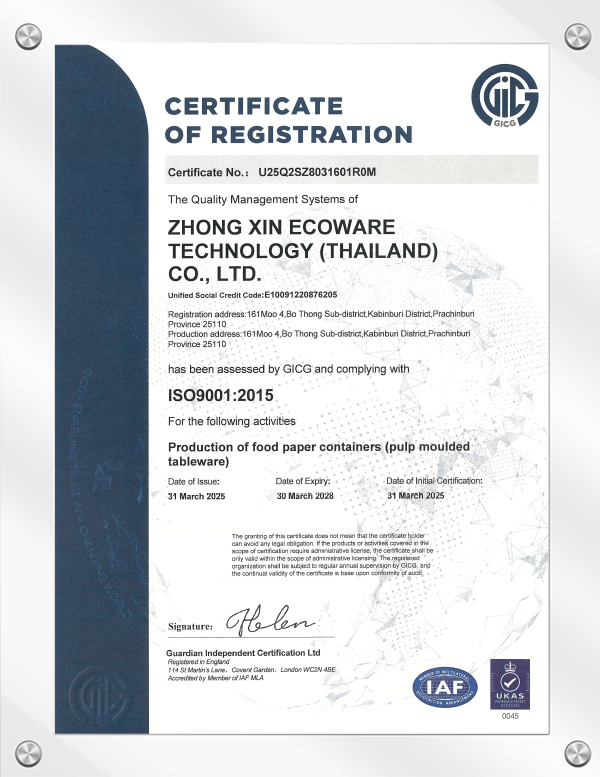
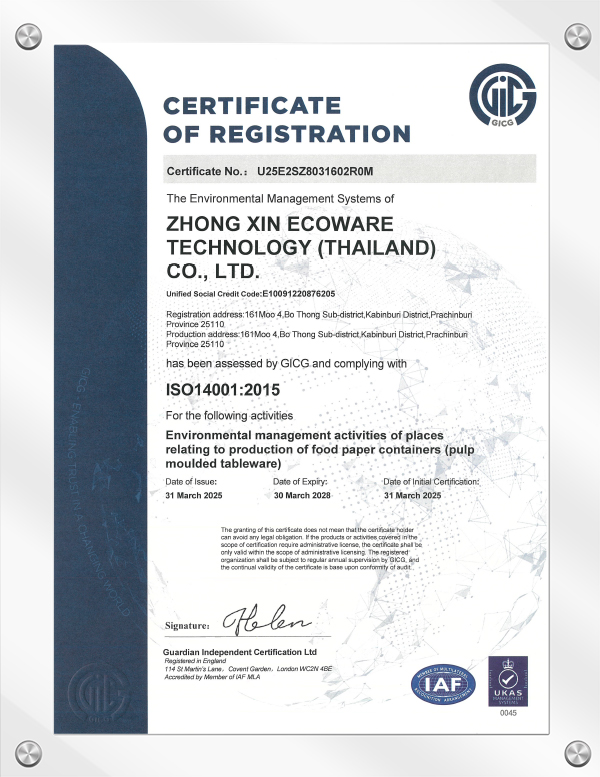
Zhong Xin Ecoware Technology (Thailand) Co., Ltd. supplies bagasse and molded fiber food packaging to importers, distributors and foodservice brands. For MOQ, pricing, samples and lead time, email info@fiber-product.com or use the contact form.
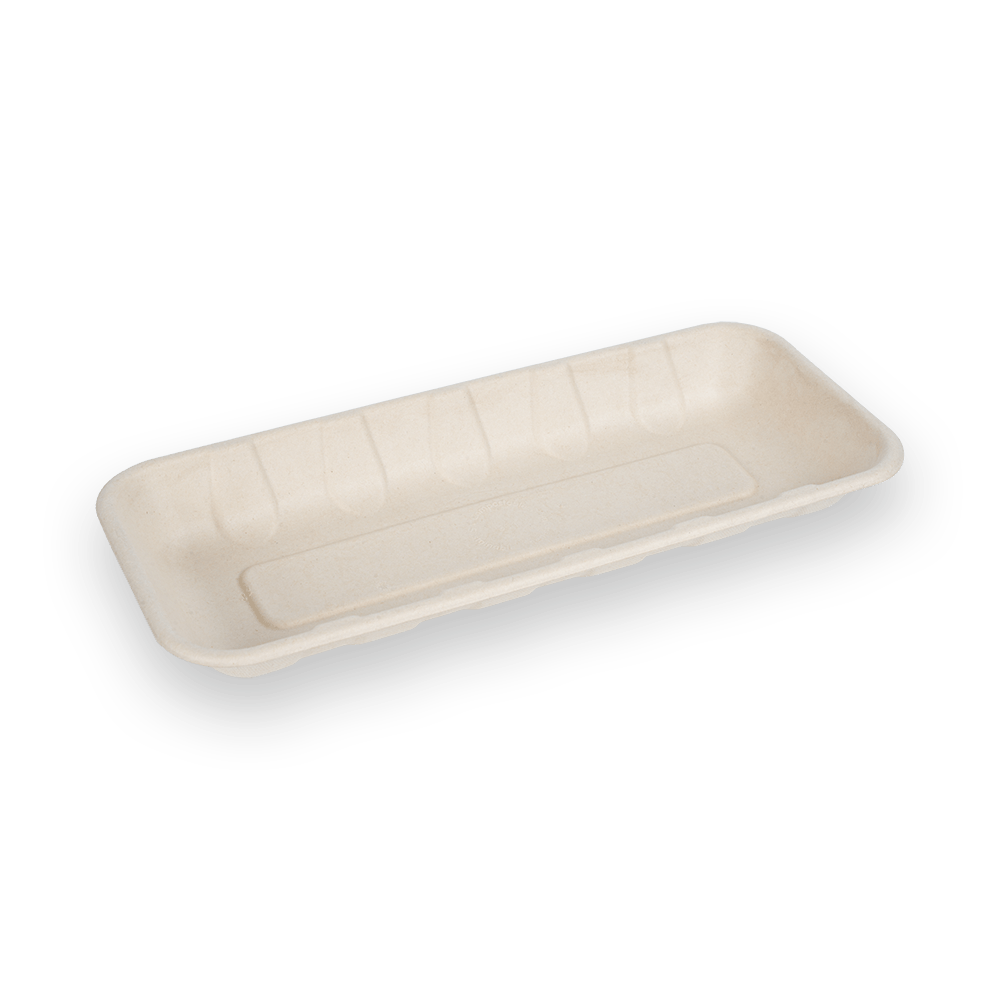



Zhong Xin Ecoware(Thailand) was registered on November 1, 2023, and officially began construction of the factory building in June 2024. At present, the first phase workshop of the factory has been fully completed and put into use. The second phase of the factory is being constructed intensively.
The landing and development of Zhong Xin in Thailand has brought a large amount of initial investment for land, factories, etc., and continuous operational investment for continuous equipment updates, technological upgrades, and capacity expansion.
Zhong Xin Ecoware(Thailand) has directly and indirectly created thousands of job opportunities, increased government revenue, promoted local economic development, cultivated local supply chains, provided systematic training for employees, improved the quality of local human capital, injected vitality into the local economy, enhanced industrial competitiveness, and ultimately improved residents' living standards.
Zhong Xin Ecoware(Thailand) actively collaborates with local pulp mills to explore new cooperation models for developing new products, improving production capacity and quality. At the same time, relying on Zhongxin's advanced production technology, process flow, management experience, and quality control system, it promotes the development of this industry in Thailand.

-
-
 +66-31240888
 -
 161 Village No. 4, Bo Thong Subdistrict Kabin Buri District Prachinburi Province 25110
-
Can Paper Packaging Meet Retail Shelf and Branding Requirements
Oct 23,2026
-
Bagasse Cups and Cup Lids: A Sourcing Guide for Foodservice and Takeaway Buyers
Oct 20,2026
-
How to Find Zhong Xin at the 140th Canton Fair: A Visitor Navigation Guide
Oct 16,2026
-
Thailand vs China Bagasse Tableware: 8 Comparisons Buyers Should Verify
Oct 16,2026
-
Will Takeout Containers Fit Your Existing Lids and Delivery Workflow
Oct 16,2026
-
What Is Bagasse Tableware? A 2026 Buyer Guide to Material, Performance and Documents
Oct 13,2026
-
Bagasse Tray Wholesale: How Bulk Buyers Cut Cost with Carton and Container Planning
Oct 09,2026
-
What Should a Bagasse Manufacturer Include in a Bulk Order Quote
Oct 09,2026
-
FOB, CIF or DDP? Incoterms for Bagasse Tableware Buyers Shipping from Thailand
Oct 06,2026
-
Packaging or Food Contact? Which EU Regime Applies to Bagasse Cups, Bowls, Plates and Cutlery
Oct 06,2026
-
Compostable Cutlery Sets for Private Label: 7 Sourcing Checks for Retail and Foodservice Buyers
Oct 06,2026
-
US vs EU Bagasse Tableware Imports: 8 Documentation and Compliance Checks Buyers Should Run
Oct 06,2026
Copyright © 2025 Zhong Xin Ecoware Technology ( Thailand ) CO., LTD.
All Rights Reserved.

Biodegradable Disposable Bagasse Tableware Manufacturer