


 English
 Español
 ไทย
ไทย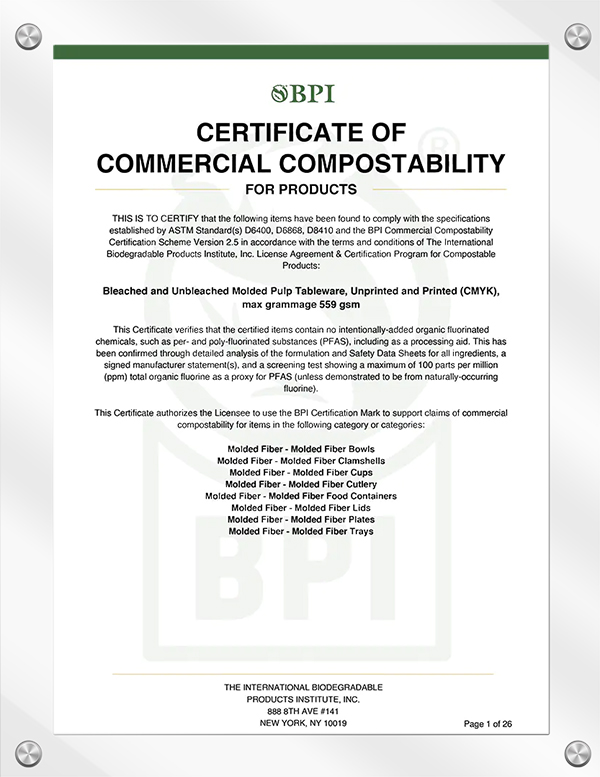
Retail packaging must do more than hold a product. It needs to fit shelf dimensions, present brand information clearly, ...
READ MOREWelcome to Zhong Xin Ecoware Technology ( Thailand ) CO., LTD. Official Website
-
 [email protected]
-
 +66-31240888
Biodegradable Bowl Manufacturer
Designed for soups, salads, and desserts, biodegradable bowls are made from eco-friendly materials like wheat bagasse. They’re available in multiple capacities and can be customized with logos or branding. Heat-resistant and leak-proof, these bowls suit both hot and cold items. Common in takeout and dine-in settings, they offer a clean, responsible alternative to plastic bowls while maintaining practical performance.
-
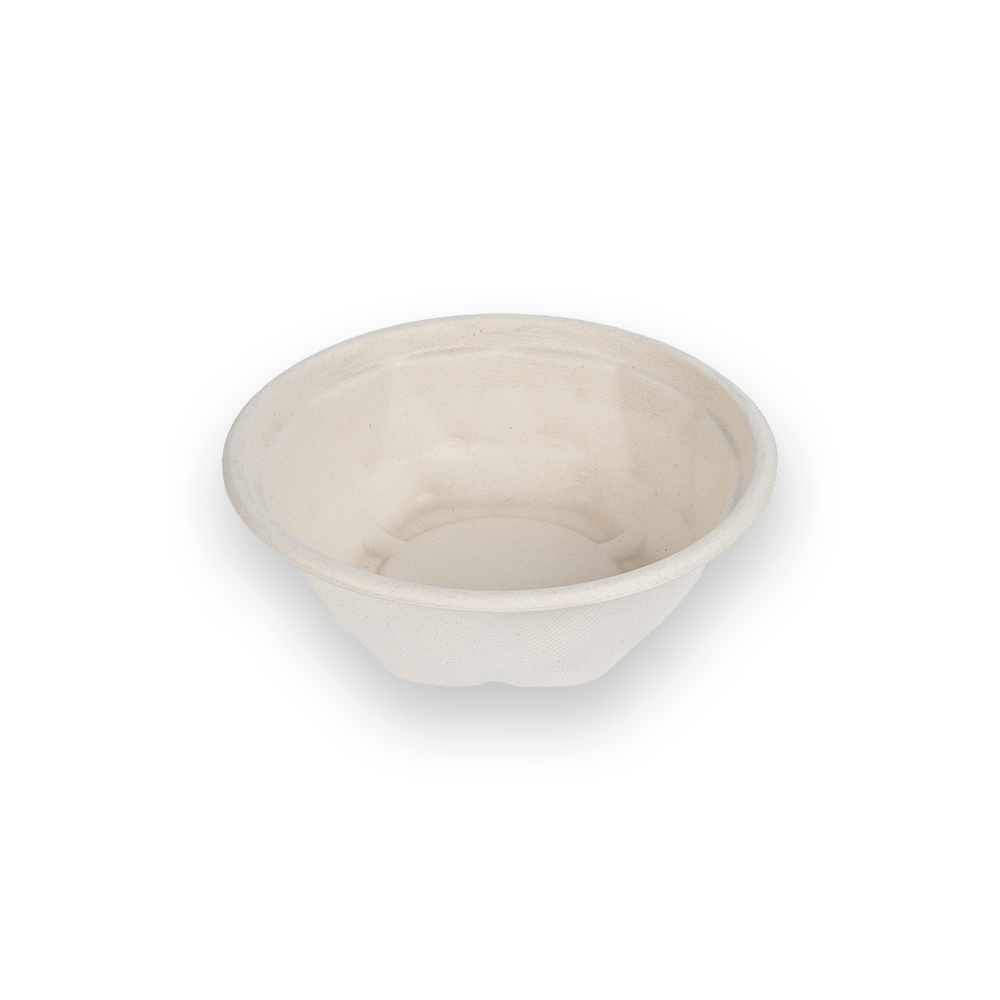 650ml take-away bowl
Size(mm)
Ø160*51
Weight(g)
17
Pcs/Bag
50
Bags/CTN
6
Pcs/CTN
300
L/CTN
49
W/CTN
24.5
H/CTN
33
Volume/CT
0.0396165
CONTACT US -
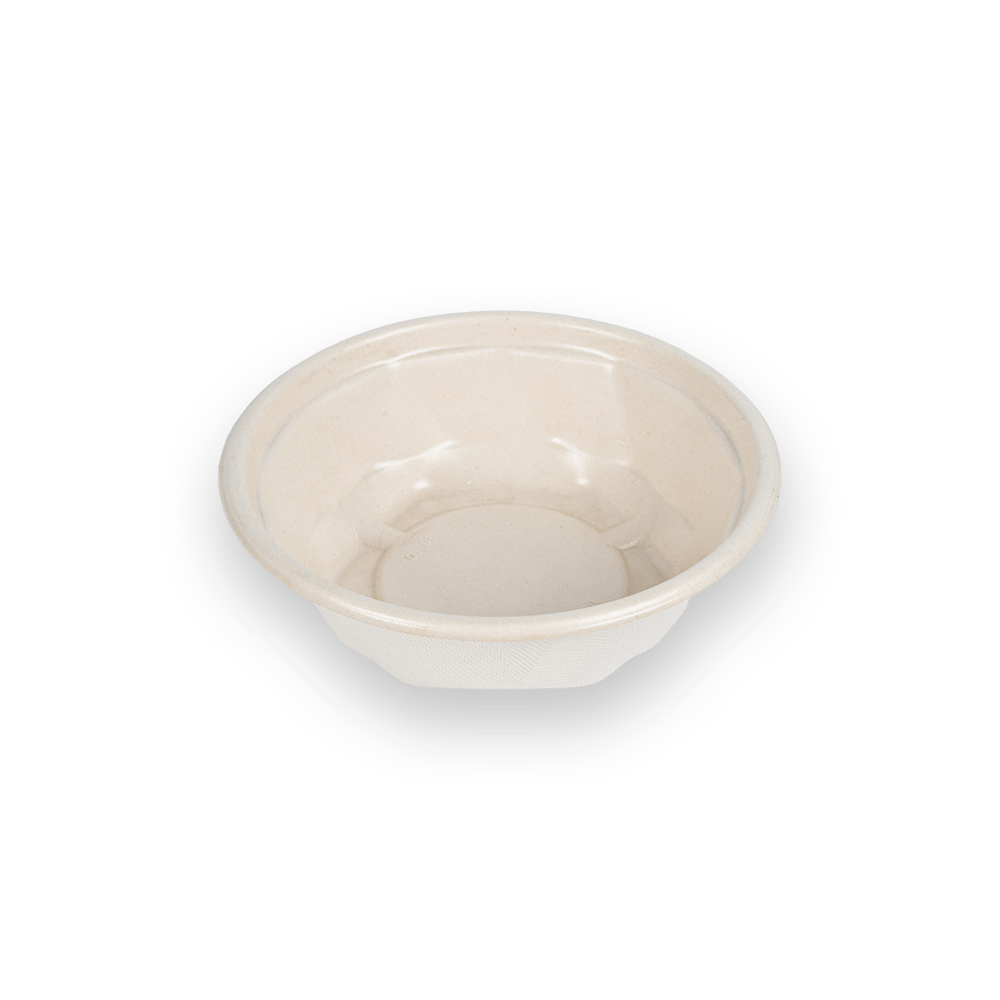 600ml take-away bowl
Size(mm)
Ø160*48
Weight(g)
17
Pcs/Bag
50
Bags/CTN
6
Pcs/CTN
300
L/CTN
49
W/CTN
24.5
H/CTN
33
Volume/CT
0.0396165
CONTACT US -
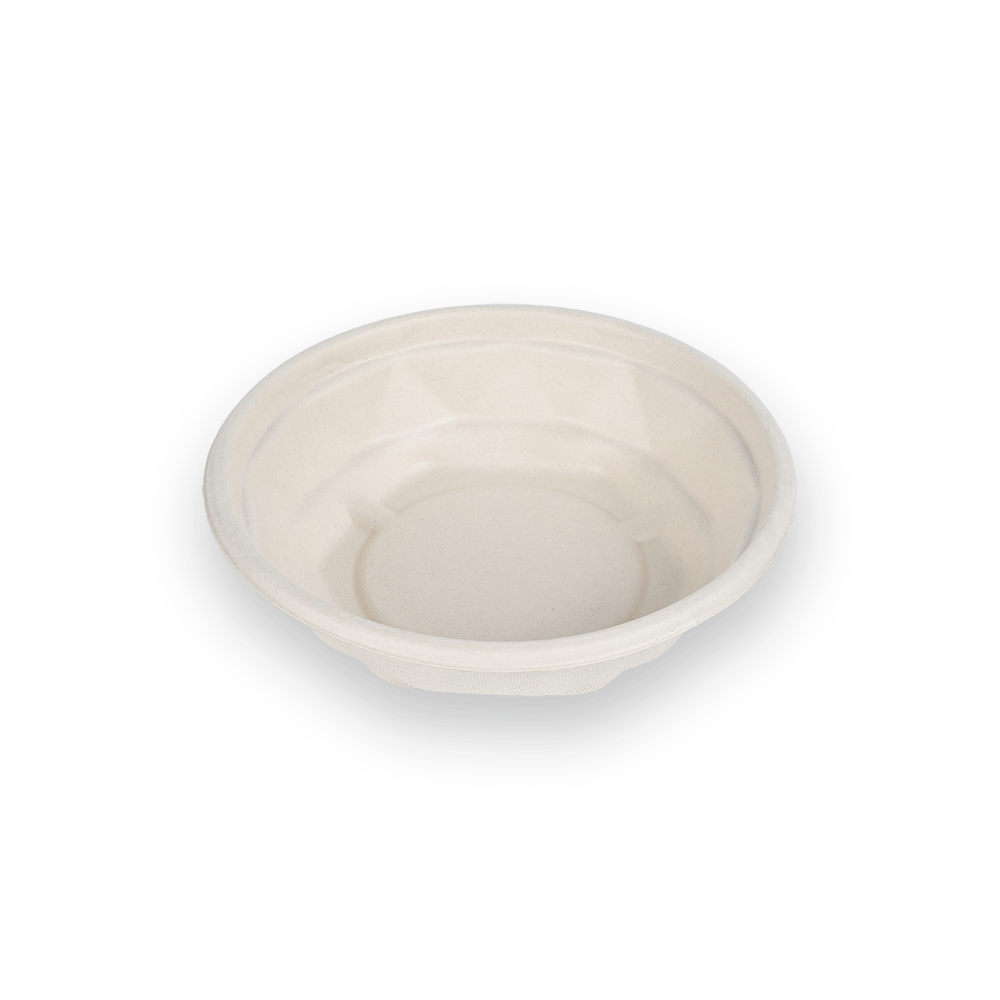 500ml take-away bowl
Size(mm)
Ø160*39
Weight(g)
16
Pcs/Bag
50
Bags/CTN
6
Pcs/CTN
300
L/CTN
49
W/CTN
23.5
H/CTN
33
Volume/CT
0.0379995
CONTACT US -
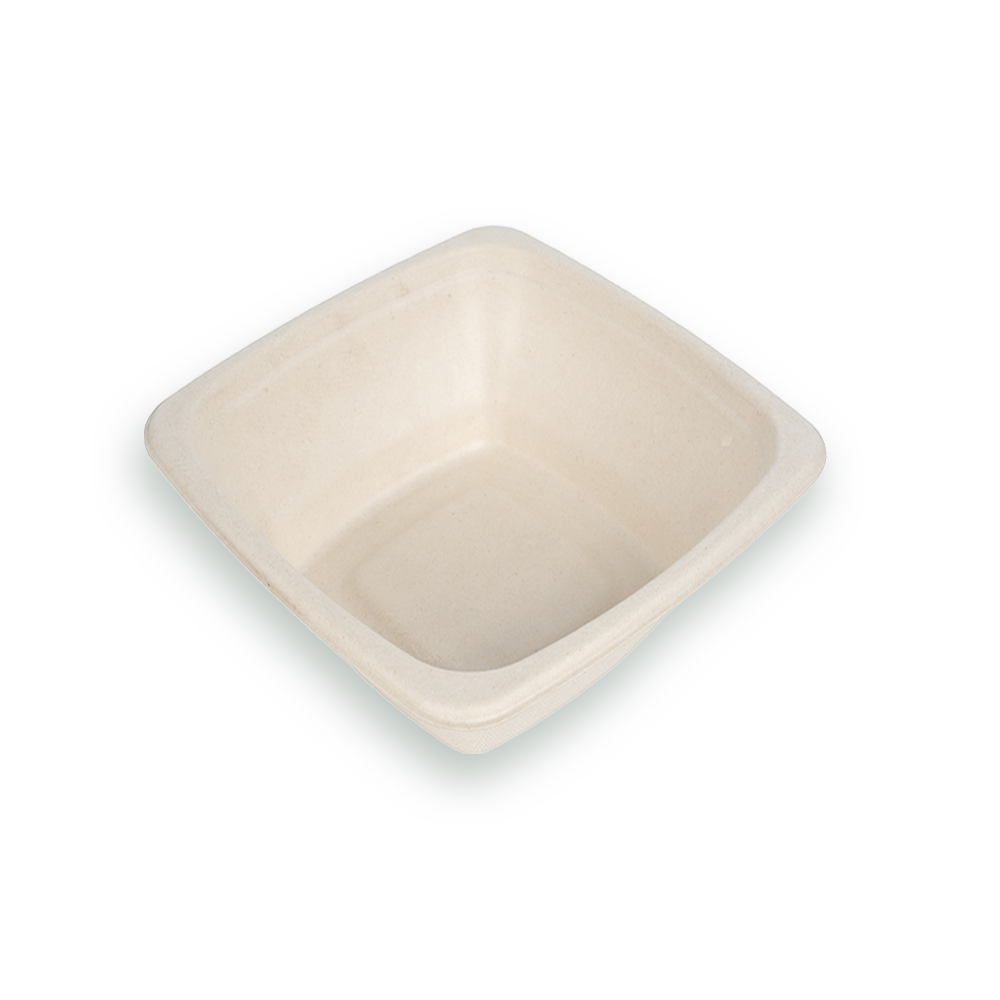 42OZ Bowl
Size(mm)
180*180*90
Weight(g)
33
Pcs/Bag
75
Bags/CTN
4
Pcs/CTN
300
L/CTN
56
W/CTN
19
H/CTN
37
Volume/CT
0.0394
CONTACT US -
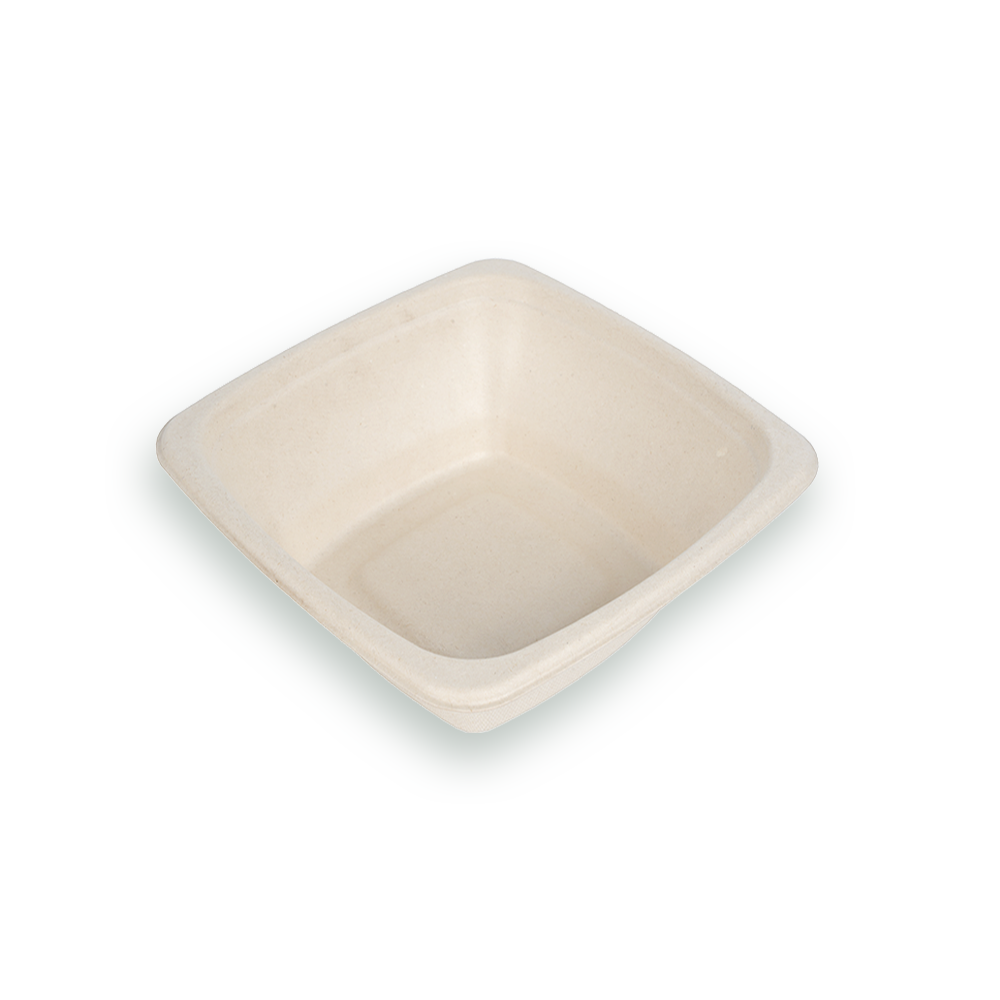 32OZ Bowl
Size(mm)
180*180*70
Weight(g)
30
Pcs/Bag
75
Bags/CTN
4
Pcs/CTN
300
L/CTN
47
W/CTN
19
H/CTN
37
Volume/CT
0.0330
CONTACT US -
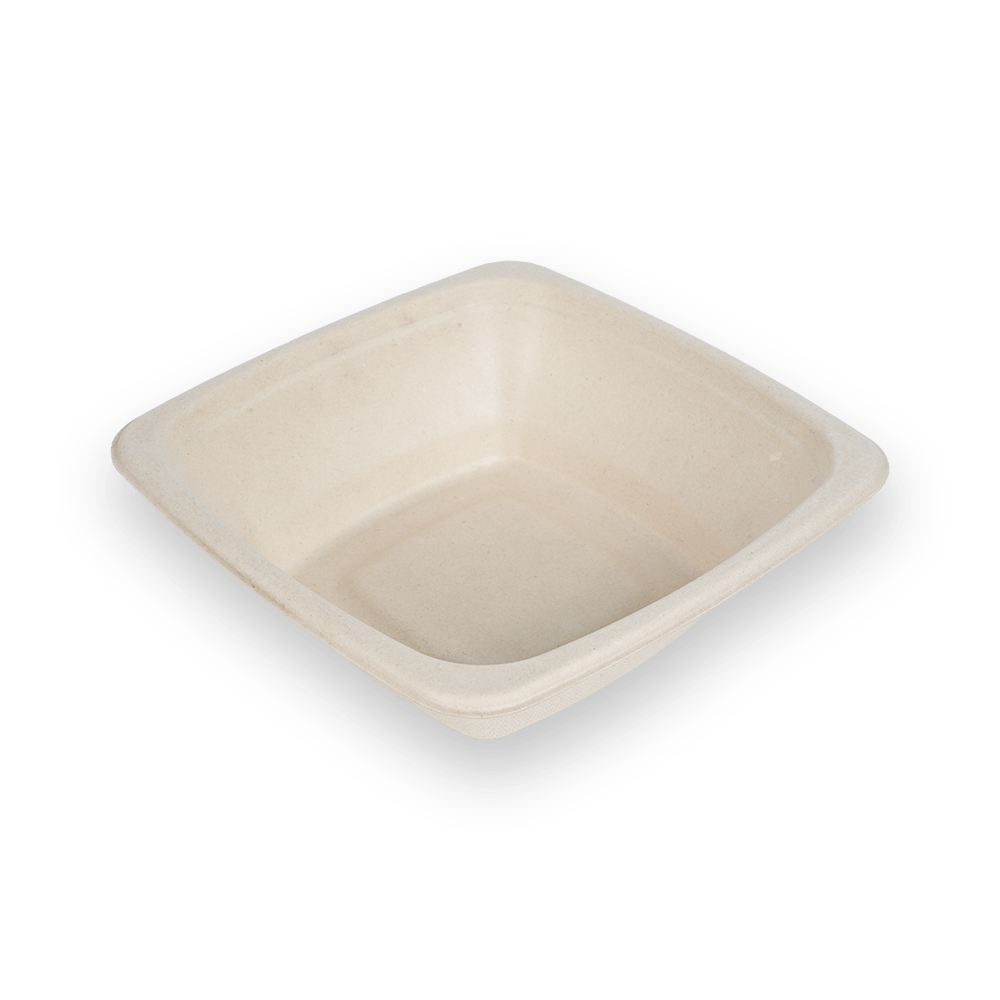 24OZ Bowl
Size(mm)
180*180*54
Weight(g)
23
Pcs/Bag
75
Bags/CTN
4
Pcs/CTN
300
L/CTN
40.5
W/CTN
19
H/CTN
37
Volume/CT
0.0285
CONTACT US -
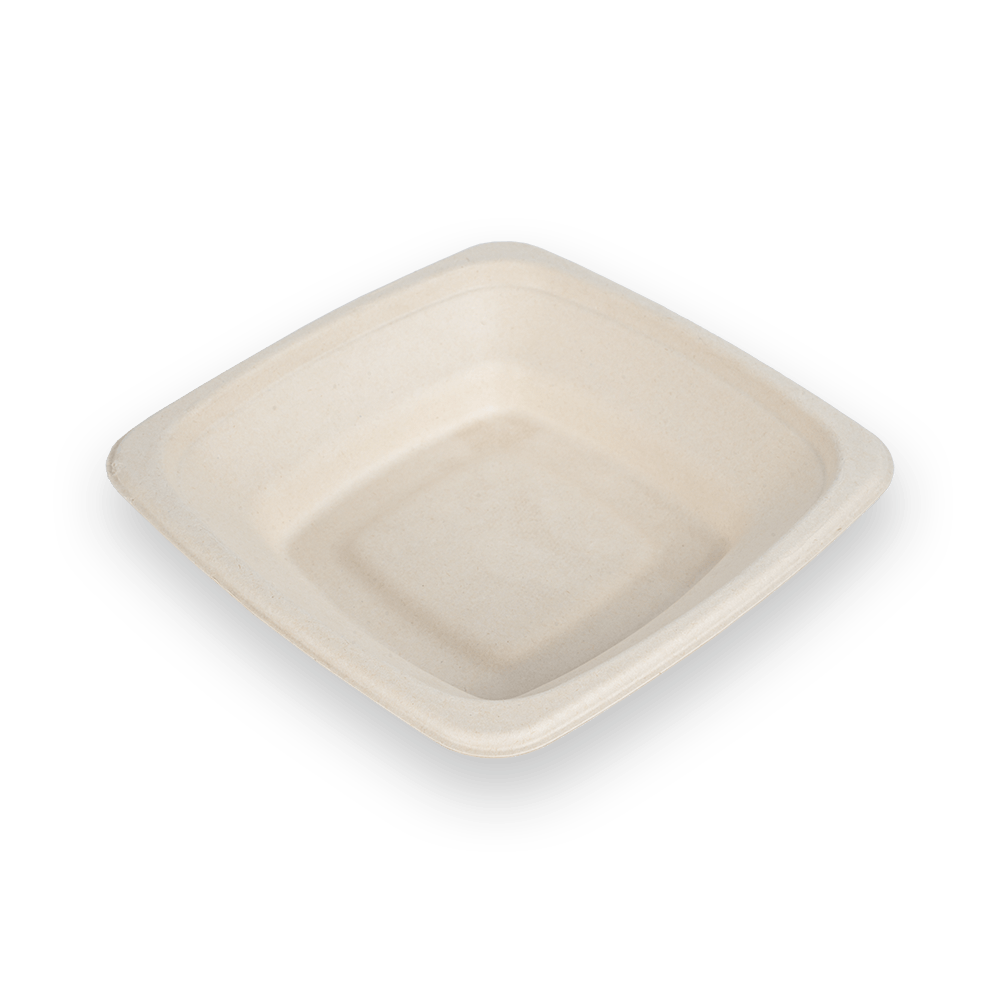 16oz Biodegradable bowl
Size(mm)
180*180*40
Weight(g)
20
Pcs/Bag
75
Bags/CTN
4
Pcs/CTN
300
L/CTN
35
W/CTN
19
H/CTN
37
Volume/CT
0.0246
CONTACT US -
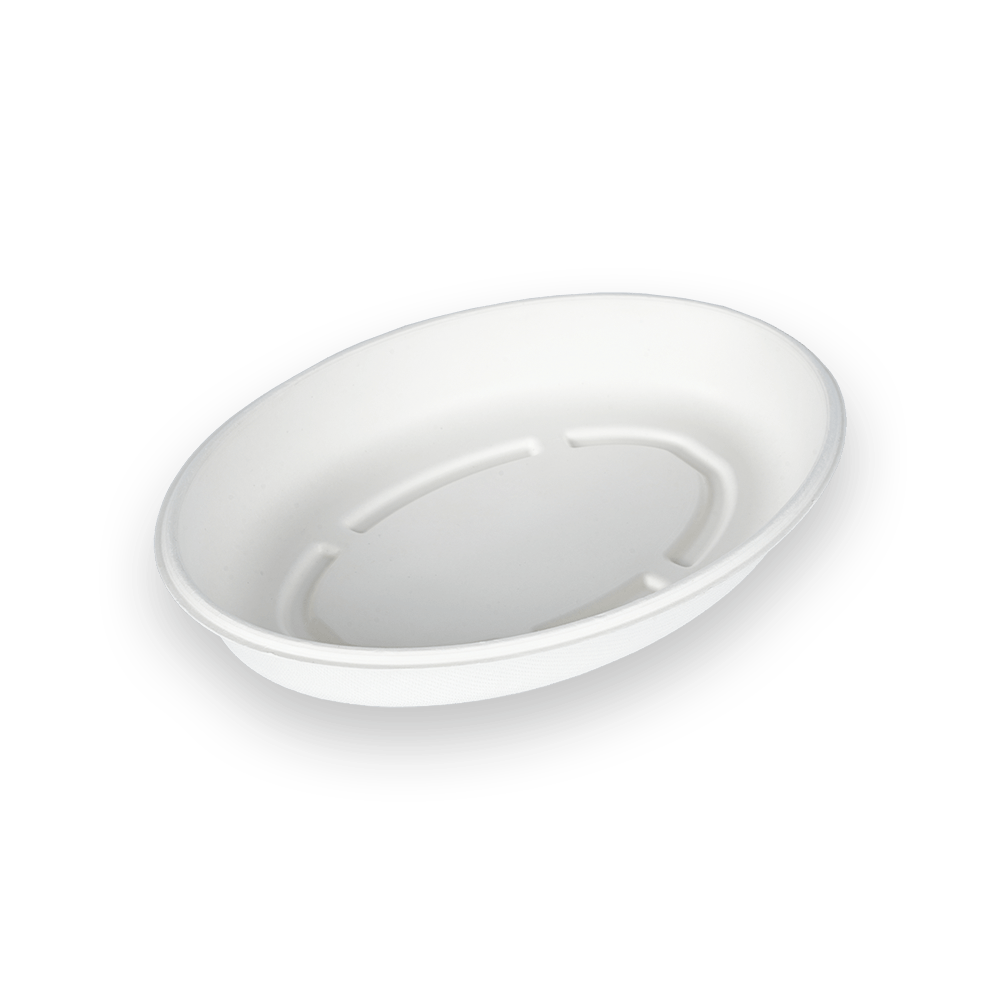 26oz oval bowl
Size(mm)
236*169*40.6
Weight(g)
23
Pcs/Bag
50
Bags/CTN
6
Pcs/CTN
300
L/CTN
47
W/CTN
25.5
H/CTN
52
Volume/CT
0.062322
CONTACT US -
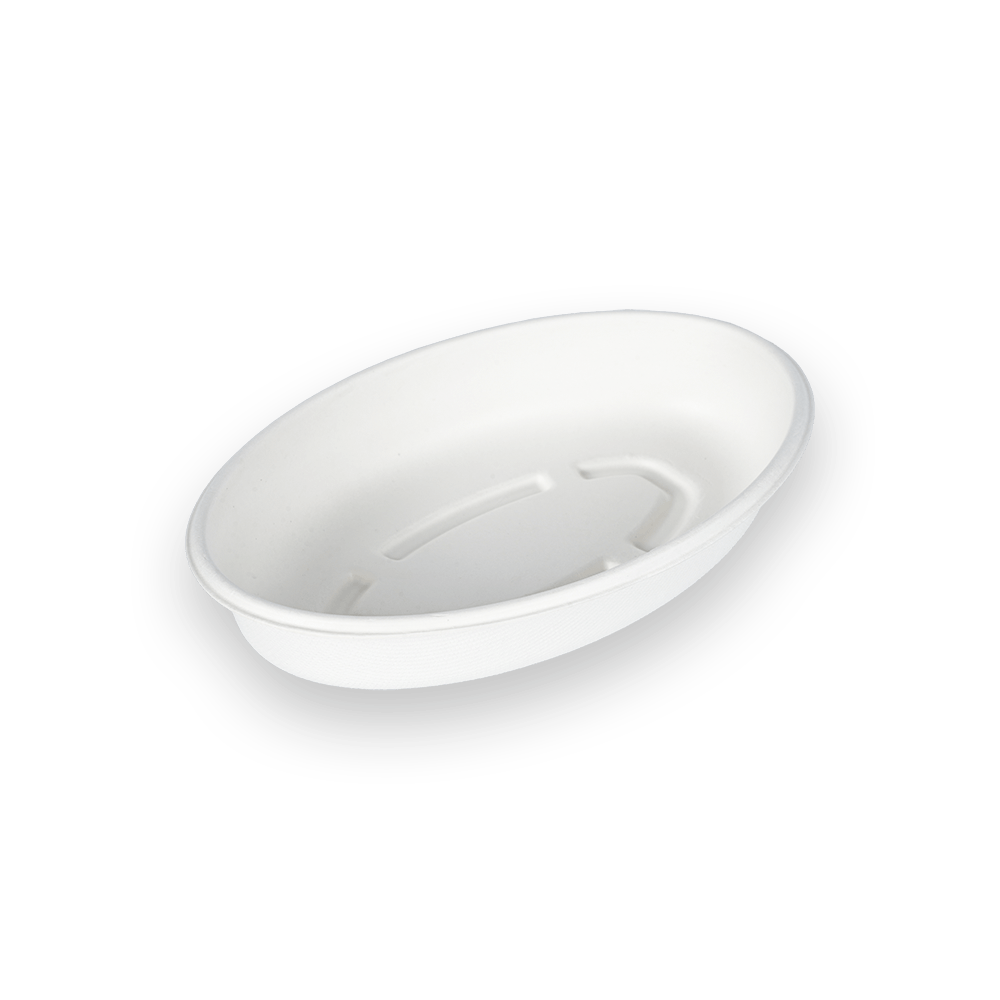 18oz oval bowl
Size(mm)
203*135*40.6
Weight(g)
18
Pcs/Bag
50
Bags/CTN
6
Pcs/CTN
300
L/CTN
47.5
W/CTN
21.5
H/CTN
41.5
Volume/CT
0.042381875
CONTACT US
Our Story
Zhong Xin Ecoware Technology ( Thailand ) CO., LTD.
Zhong Xin Ecoware(Thailand) is a Thailand Wholesale Biodegradable Bowl Manufacturer and OEM Biodegradable Bowl Factory. Both the first and second phases of the Thailand plant have now been completed and put into production, bringing the site to an annual capacity of 100,000 tonnes. The plant is already supplying orders for customers in the United States.
The landing and development of Zhong Xin in Thailand has brought a large amount of initial investment for land, factories, etc., and continuous operational investment for continuous equipment updates, technological upgrades, and capacity expansion.
Zhong Xin Ecoware(Thailand) has directly and indirectly created thousands of job opportunities, increased government revenue, promoted local economic development, cultivated local supply chains, provided systematic training for employees, improved the quality of local human capital, injected vitality into the local economy, enhanced industrial competitiveness, and ultimately improved residents' living standards.
Zhong Xin Ecoware(Thailand) actively collaborates with local pulp mills to explore new cooperation models for developing new products, improving production capacity and quality. At the same time, relying on Zhongxin's advanced production technology, process flow, management experience, and quality control system, it promotes the development of this industry in Thailand.
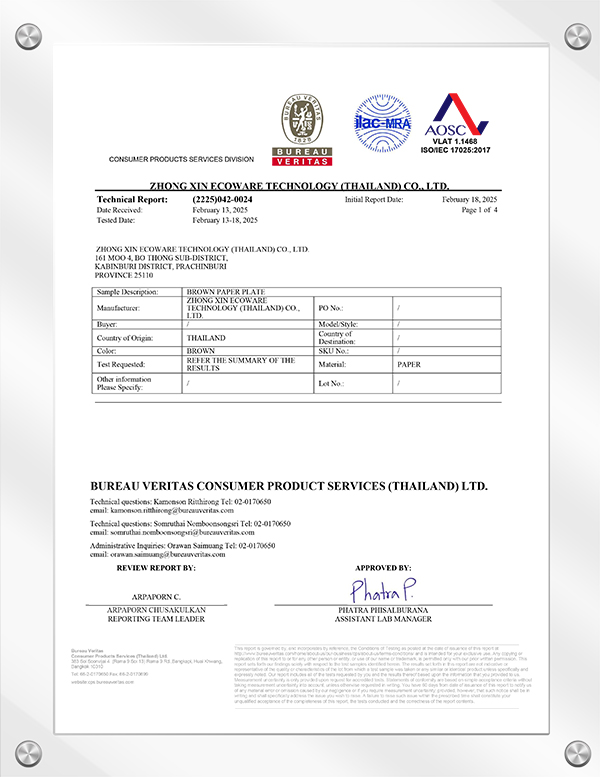
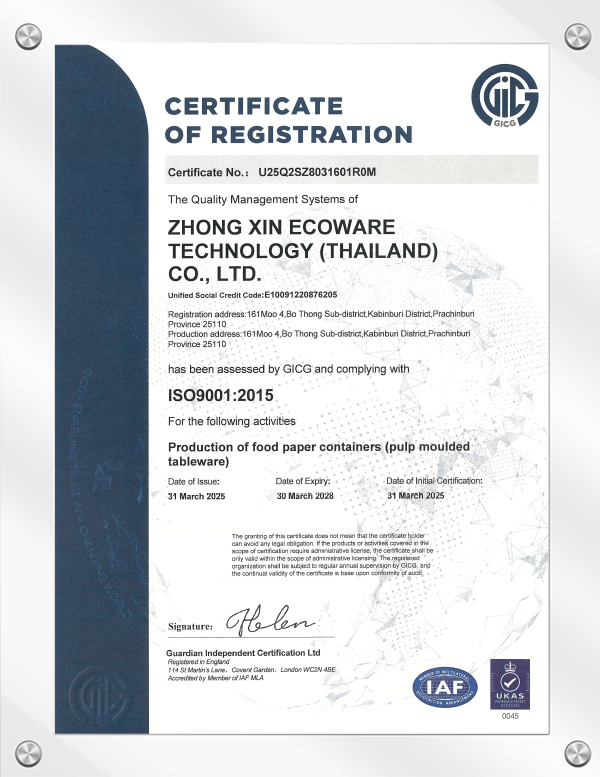
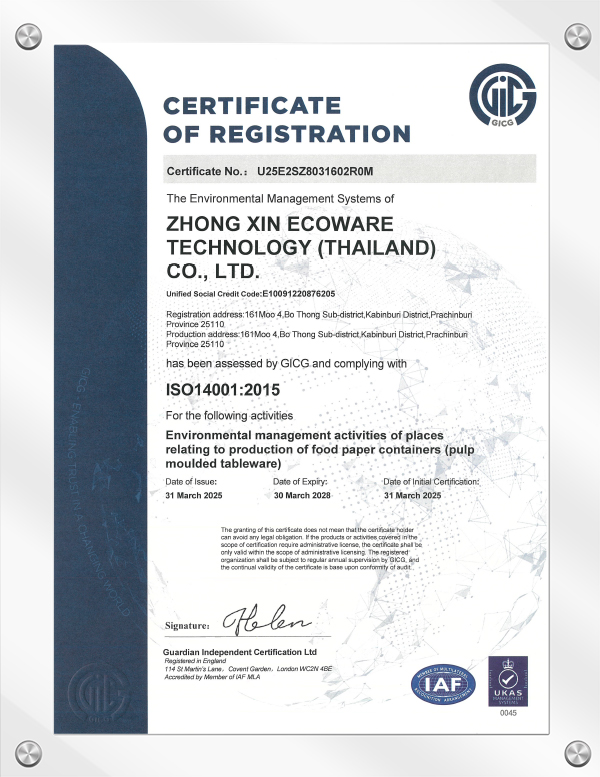
Certificate Of Honor
News & Events
-
-
Published: October 20, 2026 | By Zhong Xin Ecoware Technology (Thailand) Co., Ltd. Bagasse Cups, Cup Lids and Cup Holde...
READ MORE -
Published: October 16, 2026 How to Find Zhong Xin at the 140th Canton Fair: A Visitor Navigation Guide The 140th Canton...
READ MORE -
Published: October 15, 2026 | By Zhong Xin Ecoware Technology (Thailand) Co., Ltd. Quick Summary: Thailand vs China Bag...
READ MORE
Related Products
Industry Knowledge Extension
What Are the Considerations for Biodegradable Bowls?
The increasing focus on environmental sustainability has prompted a shift from conventional plastics to biodegradable alternatives, particularly in the food service industry. Disposable bowls designed to break down after use represent a significant part of this transition. However, to fully assess their role, it is necessary to examine their limitations, their practical applications, and the common materials used in their production.
What are the main problems with Biodegradable Bowls?
While biodegradable bowls offer an alternative to persistent plastic waste, their adoption is accompanied by several challenges. A primary concern involves the specific conditions required for decomposition. Many products labeled as biodegradable are designed to break down efficiently only in industrial composting facilities, which provide controlled high temperatures and specific microbial activity. In a typical home compost pile or a landfill, where such conditions are often absent, these bowls may degrade very slowly or release methane, a potent greenhouse gas, thereby limiting their environmental benefit.
Some plant-based materials, especially those without additional coatings, can struggle to maintain their structural integrity when holding hot soup or stew for an extended period. The material may become soft, potential leakage or a perceived lack of durability compared to traditional plastic or coated paper alternatives. This can affect both consumer satisfaction and the functional utility of the product.
There is the issue of cost and market confusion. The production of biodegradable bowls often involves more complex processes and raw materials than conventional plastics, a higher price point. This can be a barrier for small businesses or cost-conscious consumers. Additionally, terms like "biodegradable," "compostable," and "plant-based" are frequently used interchangeably, causing confusion about proper disposal methods. This misunderstanding can result in well-intentioned consumers contaminating recycling streams or sending compostable items to landfills, undermining the intended environmental purpose.
The practical uses of Disposable Biodegradable Bowls
Disposable biodegradable bowls serve a wide range of practical functions across various sectors, providing a single-use option that aligns with environmental goals. In the food service industry, they are commonly used for takeaway and delivery orders. Restaurants, cafes, and food trucks utilize them for serving a variety of dishes, from salads and grain bowls to noodles and desserts. Their ability to be composted after use helps businesses reduce their contribution to landfill waste, which is often a priority for establishments promoting sustainable practices.
Beyond commercial food service, these bowls are a staple at events and gatherings. For large-scale functions such as festivals, corporate picnics, weddings, and conferences, biodegradable bowls simplify clean-up and manage waste streams effectively. When paired with compost collection systems, they can significantly reduce the volume of trash generated. This application is particularly valuable in public spaces and venues that have implemented organic waste recycling programs.
Biodegradable bowls are finding a place in institutional settings and for in-house dining. Some universities, corporate cafeterias, and even public schools are transitioning to compostable dishware for their daily operations. This shift allows these institutions to model sustainable behavior while streamlining waste management. For consumers, these bowls are also available for purchase in retail stores, offering an eco-conscious option for home entertaining, quick meals, or situations where washing reusable dishes is not practical.
What are the three common types of Biodegradable Disposable Soup Bowls?
Given the specific need to hold hot, liquid-based foods, certain types of biodegradable materials are commonly used for disposable soup bowls.
One common type is the bagasse bowl. Bagasse is the fibrous residue left after extracting juice from sugarcane. Bowls made from this material are known for their sturdiness and heat tolerance, making them suitable for hot soups and broths. They are naturally microwaveable and have a certain resistance to grease, which helps maintain their structure. As a by-product of the sugar industry, bagasse represents an efficient use of agricultural waste.
Another prevalent type is the bowl made from molded pulp or recycled paperboard. These bowls are typically lined with a thin, biodegradable coating, often made from polylactic acid (PLA), which is derived from corn starch. The paper base provides insulation, making the bowl comfortable to hold, while the PLA lining creates a crucial barrier against moisture and grease, preventing the bowl from becoming soggy and leaking. This combination allows the bowl to effectively contain hot liquids for a duration that is practical for consumption.
A third type is the bowl constructed from PLA bioplastic or other plant-based polymers. These bowls are clear or translucent and have a rigid, plastic-like feel. They are created from fermented plant sugars and are designed to be compostable in industrial facilities. While they may not insulate heat as effectively as paper-based options, they offer a high degree of clarity and a smooth finish, and they are very effective at containing liquids without leakage, providing a functional and visually distinct alternative for serving soups and other hot foods.
Start Now
Get Quotation & Sample In 24h
Send us your product size, quantity, structure requirements, we will
reply the proposal and quotation within 24 hours, support sample proofing

-
-
 +66-31240888
 -
 161 Village No. 4, Bo Thong Subdistrict Kabin Buri District Prachinburi Province 25110
Quick Links
Product Categories
News & Events
-
Can Paper Packaging Meet Retail Shelf and Branding Requirements
Oct 23,2026
-
Bagasse Cups and Cup Lids: A Sourcing Guide for Foodservice and Takeaway Buyers
Oct 20,2026
-
How to Find Zhong Xin at the 140th Canton Fair: A Visitor Navigation Guide
Oct 16,2026
-
Thailand vs China Bagasse Tableware: 8 Comparisons Buyers Should Verify
Oct 16,2026
-
Will Takeout Containers Fit Your Existing Lids and Delivery Workflow
Oct 16,2026
-
What Is Bagasse Tableware? A 2026 Buyer Guide to Material, Performance and Documents
Oct 13,2026
-
Bagasse Tray Wholesale: How Bulk Buyers Cut Cost with Carton and Container Planning
Oct 09,2026
-
What Should a Bagasse Manufacturer Include in a Bulk Order Quote
Oct 09,2026
-
FOB, CIF or DDP? Incoterms for Bagasse Tableware Buyers Shipping from Thailand
Oct 06,2026
-
Packaging or Food Contact? Which EU Regime Applies to Bagasse Cups, Bowls, Plates and Cutlery
Oct 06,2026
-
Compostable Cutlery Sets for Private Label: 7 Sourcing Checks for Retail and Foodservice Buyers
Oct 06,2026
-
US vs EU Bagasse Tableware Imports: 8 Documentation and Compliance Checks Buyers Should Run
Oct 06,2026
Copyright © 2025 Zhong Xin Ecoware Technology ( Thailand ) CO., LTD.
All Rights Reserved.

Biodegradable Disposable Soup Bowls Sale