-
 [email protected]
-
 +66-31240888



 English
 Español
 ไทย
ไทยMarket Situation for Biodegradable Paper Plates
So You Bought Biodegradable Plates. Now What?
What Exactly Are Biodegradable Paper Plates and Cups?
Let's keep this simple. A biodegradable paper plate is one that microbes can eat away over time, turning it into water, a bit of CO₂, and some leftover organic matter. Usually takes a few months if the conditions are right.
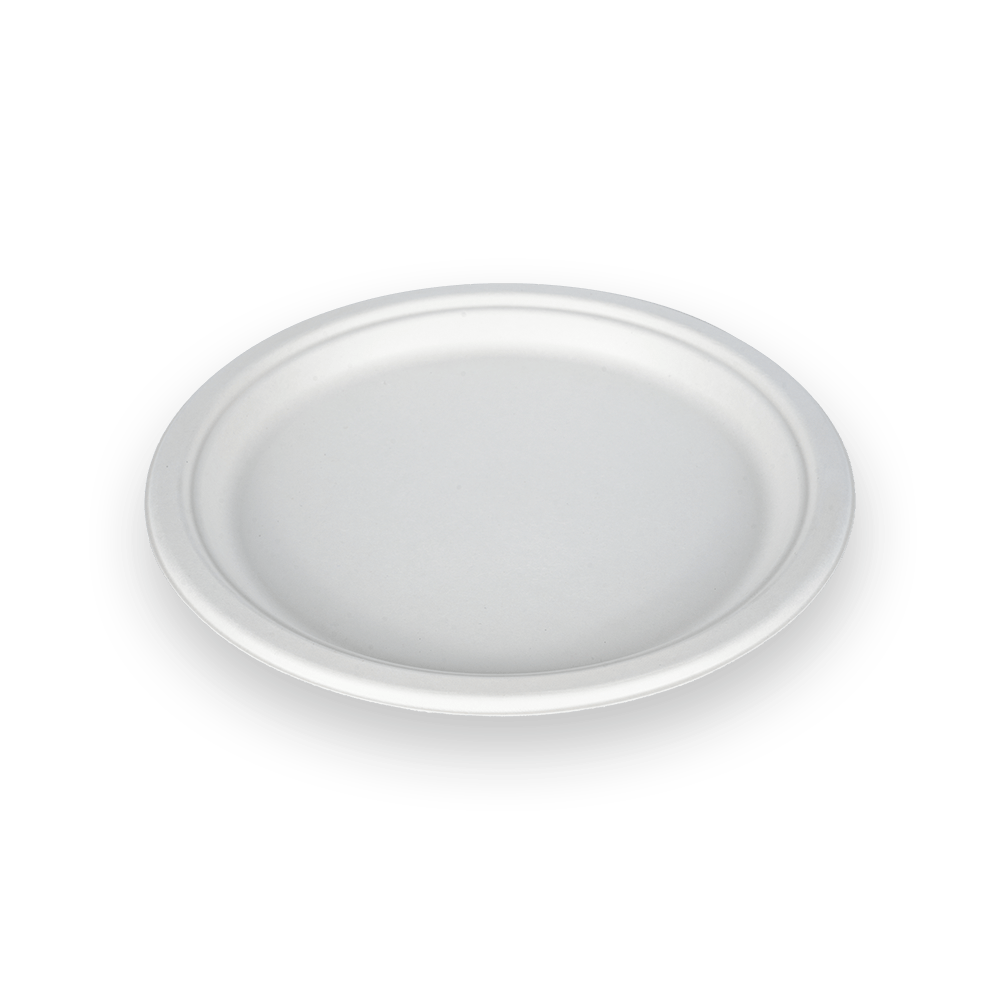
But here's where people get tripped up: biodegradable doesn't mean compostable. Compostable stuff breaks down fast and leaves behind healthy soil. Biodegradable stuff? It might break down fast, but only if there's enough heat, moisture, and little organisms around to do the job. Toss it in a dry closet for a year, and it'll probably look the same as day one. So yeah, the label matters more than most folks realize.
How to Actually Get Rid of Biodegradable Paper Plates and Cups
You'd think you could just throw them anywhere, right? Not quite. Here's what works in real life.
If you've got an industrial compost facility nearby – that's the gold standard. These places run hot, around 55–60°C, and can chew through a pile of plates in two to six months. Look for markings like BPI Certified or OK compost INDUSTRIAL.
Home composting is possible, but only for certain types. Thin plates without any shiny lining? Yeah, those can go in your backyard pile. Shred them first, toss them under some grass clippings, and keep things damp. Give it four to eight months. But those cups with the plant-based plastic lining (PLA is the usual suspect) – those won't break down at home. Don't bother.
Landfill should be your last stop. If your area takes nothing and you have no other choice, the landfill is still better than regular plastic plates. But don't expect miracles. And please, never flush these down a toilet or leave them as litter outdoors. In a lake or with no oxygen, they barely degrade at all.
Best rule of thumb? Scrape off the leftover pasta, peel off any plastic sticker windows, and check your city's website to see if “compostables” can go in the green bin.
Why Bother With Eco-Friendly Plates?
Let me paint you a picture. Say you run a food truck at a Saturday market. You serve hot spaghetti with meatballs. You used to buy Styrofoam. Now you switch to biodegradable paper plates.
Here's what changes.
First, after the market closes, all those plates go to a local compost facility instead of a landfill. That's over 200 pounds of waste every month just… gone. Turned into dirt. Studies show plant-based plates cut your carbon footprint by about half compared to plastic ones.
Second, customers notice. Something like 68% of people say they'd pay extra for sustainable packaging. When they see your plates and a little sign that says “Compost Me,” they trust you more. It's not just marketing fluff – it actually builds loyalty.
Third, you don't have to worry about weird chemicals leaching into hot, greasy food. Biodegradable plates made from stuff like sugarcane or bamboo don't use PFAS or other junk that sticks around in your body.
Now, are they perfect? No. If you pile on heavy gravy or extra-cheesy lasagna, the plate might get a little flimsy. For weddings or big corporate gigs, double up the plates or use pressed palm leaf ones. Those handle weight better.
What Plant-Based Materials Are We Even Talking About?
There's no single answer. Different brands use different plants. Here's how the common ones stack up when you compare them side by side.
Bagasse – That's sugarcane fiber left over after squeezing out the juice. Breaks down in two to three months in industrial compost. Great for hot, oily things like curry or pulled pork. Downside: it can get floppy after half an hour, and most bagasse isn't meant for home compost piles.
Bamboo pulp – Bamboo grows crazy fast, so it's renewable as hell. Plates made from it are stiff and tough. But turning bamboo into pulp takes more water and energy than bagasse, so it's not the greenest choice for manufacturing.
PLA (corn or cassava plastic) – This one's tricky. Looks like plastic, feels like plastic, but it's made from corn starch or sugar cane. Needs an industrial composter to break down – about six months there. In your backyard pile? It'll just sit there. Also, PLA warps if your food is hotter than 110°F. So fine for a cold pasta salad, useless for coffee or soup.
Palm leaf – These are made from fallen areca palm leaves. Nobody cuts down trees. They compost at home in two to four months and look kind of fancy. Only catch: they're more expensive, and you won't find them in lots of shapes. Mostly round or oval.
Wheat straw – Leftover stalks from wheat harvest. Works well for cups and takeout clamshells. But here's the catch – a lot of “wheat straw” products are mixed with regular plastic (polypropylene) to hold them together. So not fully biodegradable unless the label says 100% plastic-free.
Which one wins? For soup or chili, bagasse. For a wedding where you want things to look nice and you can compost at home, use palm leaves. Stay away from PLA unless you're 100% sure you've got access to a commercial composter. No single material does it all.
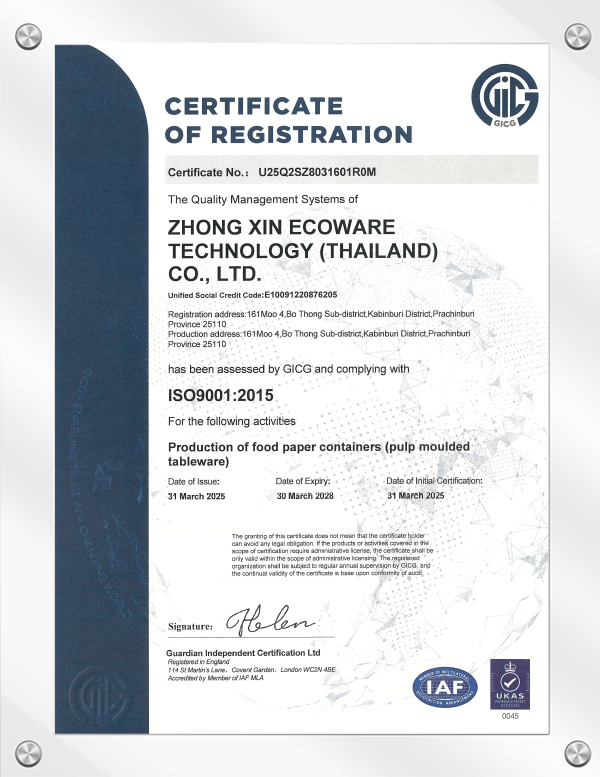
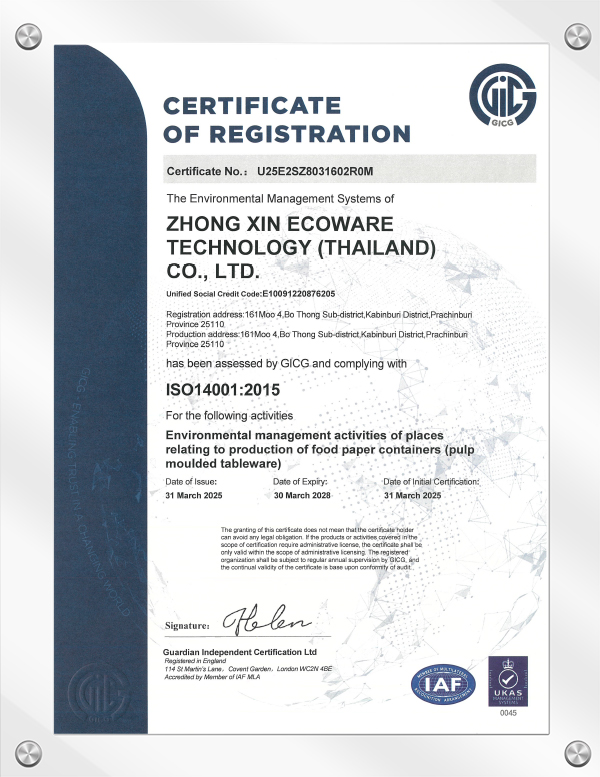
Zhong Xin Ecoware Technology (Thailand) Co., Ltd. supplies bagasse and molded fiber food packaging to importers, distributors and foodservice brands. For MOQ, pricing, samples and lead time, email info@fiber-product.com or use the contact form.
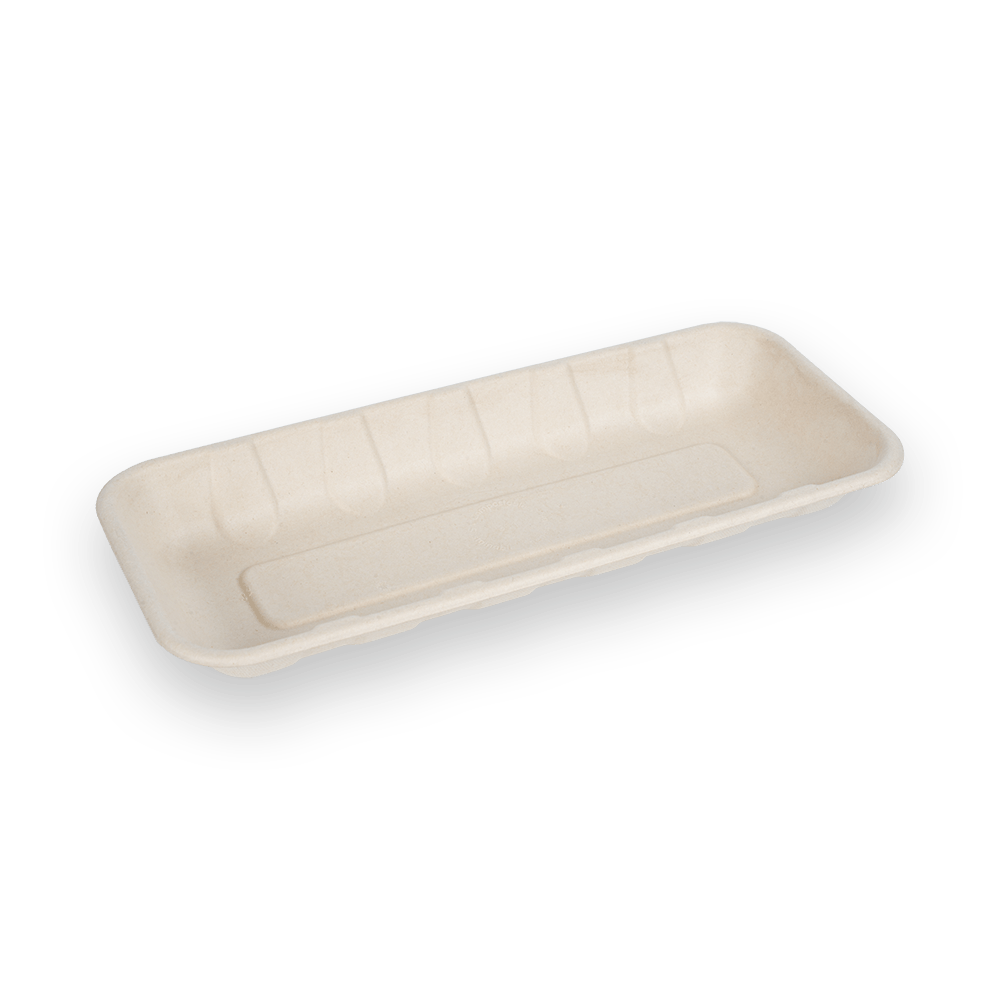
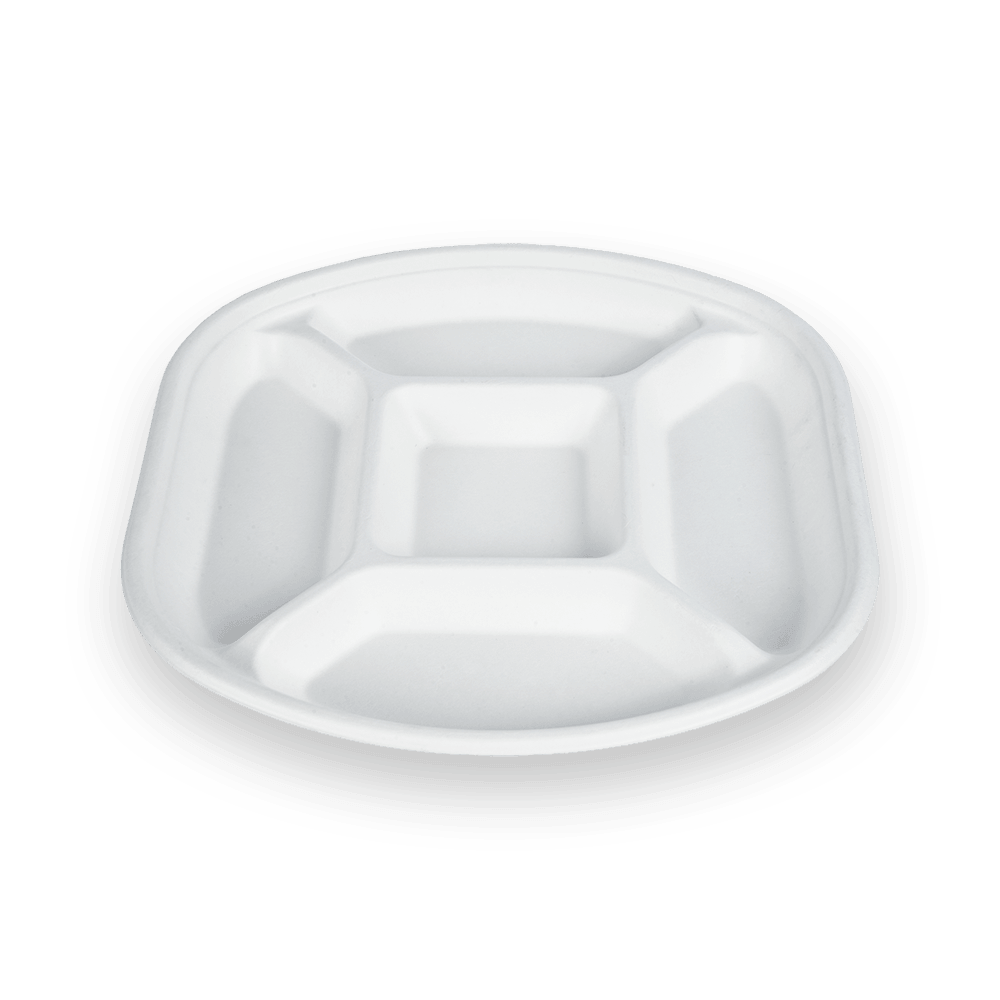

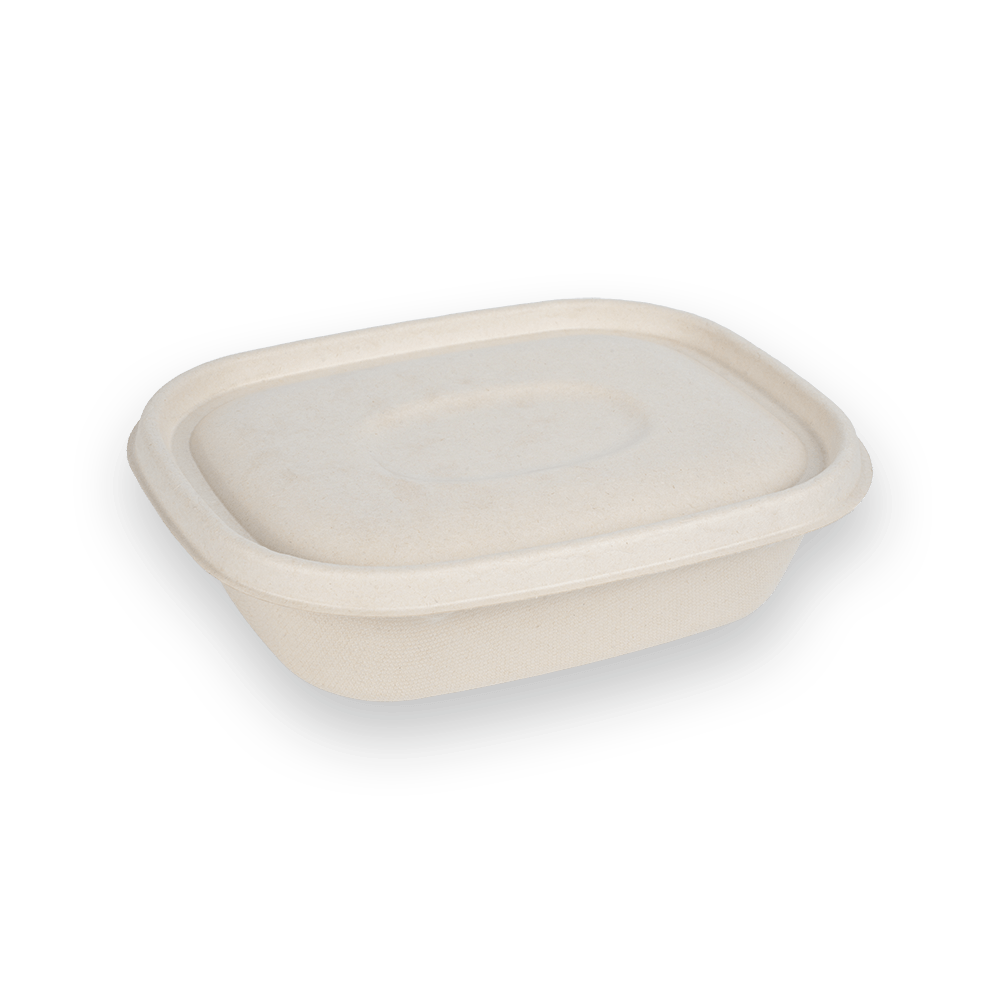
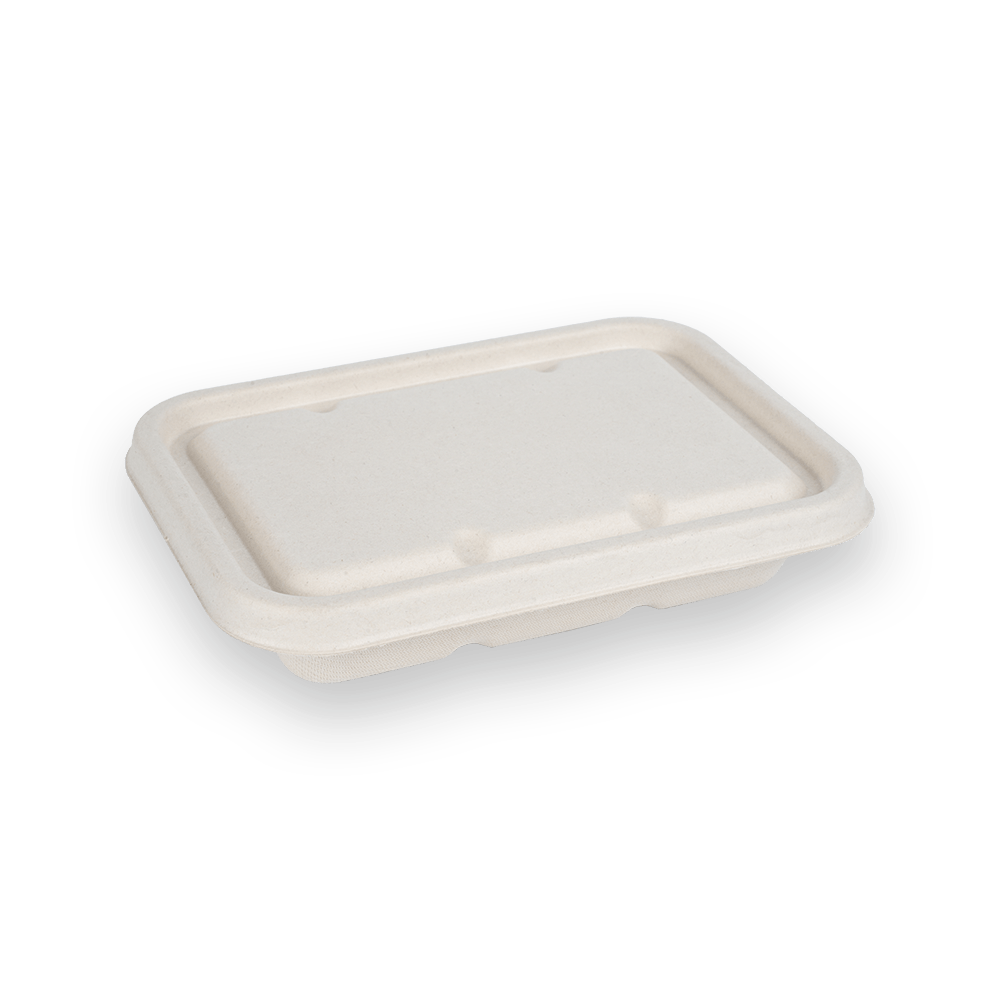

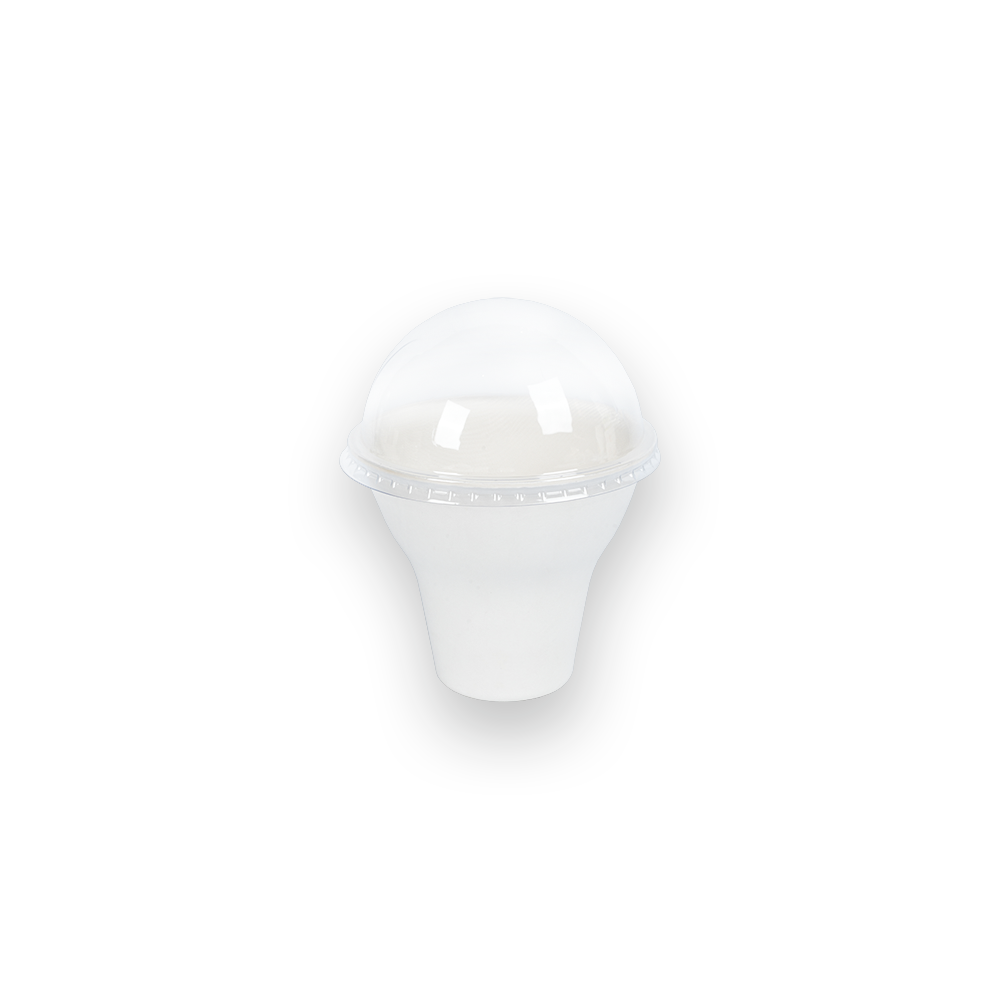
Zhong Xin Ecoware(Thailand) was registered on November 1, 2023, and officially began construction of the factory building in June 2024. At present, the first phase workshop of the factory has been fully completed and put into use. The second phase of the factory is being constructed intensively.
The landing and development of Zhong Xin in Thailand has brought a large amount of initial investment for land, factories, etc., and continuous operational investment for continuous equipment updates, technological upgrades, and capacity expansion.
Zhong Xin Ecoware(Thailand) has directly and indirectly created thousands of job opportunities, increased government revenue, promoted local economic development, cultivated local supply chains, provided systematic training for employees, improved the quality of local human capital, injected vitality into the local economy, enhanced industrial competitiveness, and ultimately improved residents' living standards.
Zhong Xin Ecoware(Thailand) actively collaborates with local pulp mills to explore new cooperation models for developing new products, improving production capacity and quality. At the same time, relying on Zhongxin's advanced production technology, process flow, management experience, and quality control system, it promotes the development of this industry in Thailand.

-
-
 +66-31240888
 -
 161 Village No. 4, Bo Thong Subdistrict Kabin Buri District Prachinburi Province 25110
-
How to Find Zhong Xin at the 140th Canton Fair: A Visitor Navigation Guide
Oct 16,2026
-
Thailand vs China Bagasse Tableware: 8 Comparisons Buyers Should Verify
Oct 16,2026
-
Will Takeout Containers Fit Your Existing Lids and Delivery Workflow
Oct 16,2026
-
What Is Bagasse Tableware? A 2026 Buyer Guide to Material, Performance and Documents
Oct 13,2026
-
Bagasse Tray Wholesale: How Bulk Buyers Cut Cost with Carton and Container Planning
Oct 09,2026
-
What Should a Bagasse Manufacturer Include in a Bulk Order Quote
Oct 09,2026
-
FOB, CIF or DDP? Incoterms for Bagasse Tableware Buyers Shipping from Thailand
Oct 06,2026
-
Packaging or Food Contact? Which EU Regime Applies to Bagasse Cups, Bowls, Plates and Cutlery
Oct 06,2026
-
Compostable Cutlery Sets for Private Label: 7 Sourcing Checks for Retail and Foodservice Buyers
Oct 06,2026
-
US vs EU Bagasse Tableware Imports: 8 Documentation and Compliance Checks Buyers Should Run
Oct 06,2026
-
How to Prepare a Bagasse Tableware Import: 10 Readiness Checks for US and EU Buyers
Oct 06,2026
-
Beyond Plates: Which Foods Suit Bagasse Tableware
Oct 02,2026
Copyright © 2025 Zhong Xin Ecoware Technology ( Thailand ) CO., LTD.
All Rights Reserved.

Biodegradable Disposable Bagasse Tableware Manufacturer